Office Deep Cleaning vs Daily Cleaning, What Your Manchester Workplace Needs
Office Deep Cleaning vs Daily Cleaning, What Your Manchester Workplace Actually Needs
Ask two Manchester business owners what office cleaning means and you will often get two different answers. One pictures the nightly wipe down that keeps desks tidy and bins empty. The other pictures the top to bottom clean that reaches the grime a routine service never touches. Both are right, because they describe two separate jobs. Daily cleaning keeps your workplace presentable and hygienic from one day to the next, while a periodic deep clean resets the whole space and tackles the build up that quietly gathers over months. Understanding the difference between deep cleaning and daily cleaning, and how the two fit together, is the key to a healthy office and a sensible cleaning budget. This guide explains what each type covers, how often your Manchester workplace needs them, and how to build a schedule that gets the balance right.
What Daily Office Cleaning Actually Covers
Daily cleaning is the routine maintenance that keeps your office fit for use every working day, and it forms the backbone of any regular office cleaning in Manchester contract. It is the visible layer your staff and visitors notice, and the hygiene layer that stops everyday germs spreading across a busy floor. A typical daily service focuses on the tasks that simply cannot wait.
- Emptying bins and replacing liners across desks, kitchens and washrooms.
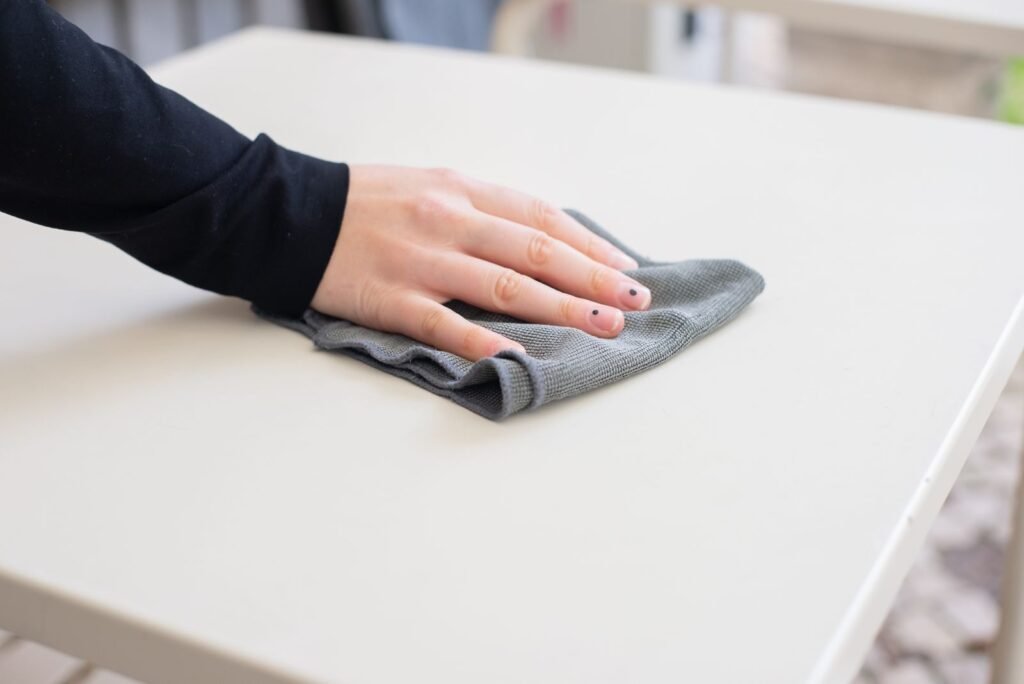
- Wiping desks, reception surfaces and shared touchpoints such as door handles and light switches.
- Cleaning and restocking toilets with soap, towels and paper.
- Vacuuming main walkways and high traffic carpet, and spot mopping hard floors.
- Tidying kitchens and break areas, including sinks, worktops and the fronts of appliances.
- A quick check of meeting rooms so they are ready for the next day.
Done well, daily cleaning is almost invisible. Your team simply arrives to a fresh, orderly space without ever seeing the work that made it that way. What daily cleaning cannot do is reach the deep soiling that sits below the surface, and that is exactly where a deep clean earns its place.
What a Deep Clean Involves and Why It Is Different
A deep clean is a thorough, methodical reset of your entire workspace. Rather than maintaining the surface, it targets the dirt, dust and residue that daily cleaning leaves behind by design. Deep cleaning reaches high and low, moves furniture where needed, and uses professional-grade equipment and methods to lift soiling that ordinary maintenance cannot.
- Carpet and upholstery deep cleaning to draw out trapped grit, spills and allergens.
- High level dusting of light fittings, vents, shelving tops and cable trays.
- Detailed cleaning behind and beneath desks, cabinets and appliances.
- Descaling and sanitising washrooms and kitchens, including tiles, grout and taps.
- Internal glass, partition and window cleaning for a clear, streak free finish.
- Deep cleaning of chairs, soft seating and other fabric surfaces.
Because a deep clean is intensive and detailed, it is carried out periodically rather than every day. A professional deep cleaning in Manchester service is planned around your quieter periods so disruption stays low and the results last. Think of it as the reset that keeps your daily routine effective, protecting both the appearance and the working life of your office.
How Often Each Type of Clean Is Needed
No single schedule suits every business, because footfall, team size and the kind of work you do all change how quickly an office soils. The frequency of cleaning and the standard you need depend on the nature of your business, a point the Health and Safety Executive makes in its guidance on workplace facilities and welfare. Treat the following as sensible starting points and adjust them to your space.
- Small professional offices. A quiet team of six to fifteen often stays comfortable with one to two cleans a week, as long as toilets and the kitchen are covered between visits.
- Medium offices with steady footfall. Two to three cleans a week keeps desks, washrooms and shared areas in good order.
- High traffic and open plan workplaces. Daily cleaning is the norm, because heavy desk sharing and constant movement spread germs and wear surfaces quickly.
- Customer facing spaces and busy receptions. Daily, and sometimes more than once a day, since visitors judge your business on what they see and smell.
On top of whichever daily or weekly rhythm suits you, most offices benefit from a full deep clean every quarter. High traffic sites, or workplaces with kitchens and washrooms under heavy use, may want one every one to two months. The two schedules are meant to work together. Regular maintenance holds the standard between visits, and the quarterly deep clean lifts everything back to a proper baseline.
Touchpoints and Everyday Hygiene
Staff and visitors expect a visibly higher standard of hygiene than they did a few years ago, and touchpoints are where that standard is won or lost. Door handles, light switches, lift buttons, shared keyboards, kettle handles and washroom taps are the surfaces that pass germs from hand to hand throughout the day. In a busy Manchester office these should be wiped daily as part of your routine service, and more than once a day where footfall is high or several people share the same equipment.
Washrooms and kitchens deserve particular attention, because they take heavy use and are quick to show it. Clean, well stocked toilets and a tidy kitchen do more for how staff feel about a workplace than almost anything else on the list. A daily service keeps these areas hygienic day to day, while a periodic deep clean tackles the limescale, grout and hidden build up that routine wiping can never reach. Handled together, they keep the spaces your team uses most both safe and genuinely pleasant to be in.
Building the Right Cleaning Schedule for Your Office
The best schedule is built around your actual space rather than a template. A good starting point is a walkthrough to note your footfall patterns, the surfaces that soil fastest and the areas that never quite seem to stay clean. From there you can set a daily or weekly maintenance routine that matches how your team really works, then layer a deep clean over the top at a sensible interval.
A simple way to think about it is three tiers. Daily tasks keep the office usable, from bins and touchpoints to toilets and walkways. Weekly tasks go a step further with full vacuuming, mopping and a deeper kitchen clean. Periodic deep cleans, usually quarterly, handle carpets, high level dusting and detailed washroom work. Splitting the work this way keeps your budget sensible, because you are not paying for intensive jobs every day, and it stops small problems building into expensive ones. Reviewing the plan every few months keeps it matched to your needs as the business grows or the seasons turn, and wet Manchester winters in particular drag in mud and grit that push up how often floors and entrances need attention.
Is a deep clean the same as a daily clean
No. Daily cleaning is routine maintenance that keeps your office hygienic and presentable each working day, covering bins, desks, touchpoints, toilets and walkways. A deep clean is a periodic, intensive reset that reaches carpets, high level areas and the hidden build up daily cleaning is not designed to tackle. Most offices need both, working alongside each other.
How often does an office need a deep clean
As a general guide, most offices benefit from a professional deep clean every quarter. Workplaces with high footfall, or with kitchens and washrooms under heavy daily use, may want one every one to two months. Carpets and soft flooring in busy entrances and meeting rooms are usually the first areas to show they need attention sooner.
Do small offices really need daily cleaning
Not always. A small, quiet team of six to fifteen people often stays comfortable with one or two professional cleans a week, provided the toilets and kitchen are kept in order between visits. If anyone handles food, or you welcome a steady stream of visitors, daily cleaning becomes the safer choice.
What is included in an office deep clean
A deep clean typically covers carpet and upholstery cleaning, high level dusting of vents and light fittings, detailed work behind and beneath furniture, full descaling and sanitising of washrooms and kitchens, and internal glass and partition cleaning. The exact scope is agreed to suit your building and how it is used.
Not sure how to balance daily maintenance and deep cleaning for your workplace? We are happy to take a look and suggest a routine that fits. Contact Exclusive Property Facilities for a free, no obligation quote and a cleaning schedule built around your Manchester office.
Related guides and services
Browse more advice in our Cleaning Guides hub. For hands-on help, see our Office Cleaning Manchester service. You may also find these useful: Professional Oven Cleaning vs DIY in Manchester and Carpet Stain Removal, What Works and When to Call a Professional.


Want this done properly at your property?
Tell us the building and the problem. We quote from a written specification, and contracts start with a three-month trial rather than a long tie-in.