Warehouse and Industrial Cleaning Standards for Manchester Operations
Warehouse and Industrial Cleaning Standards for Manchester Operations
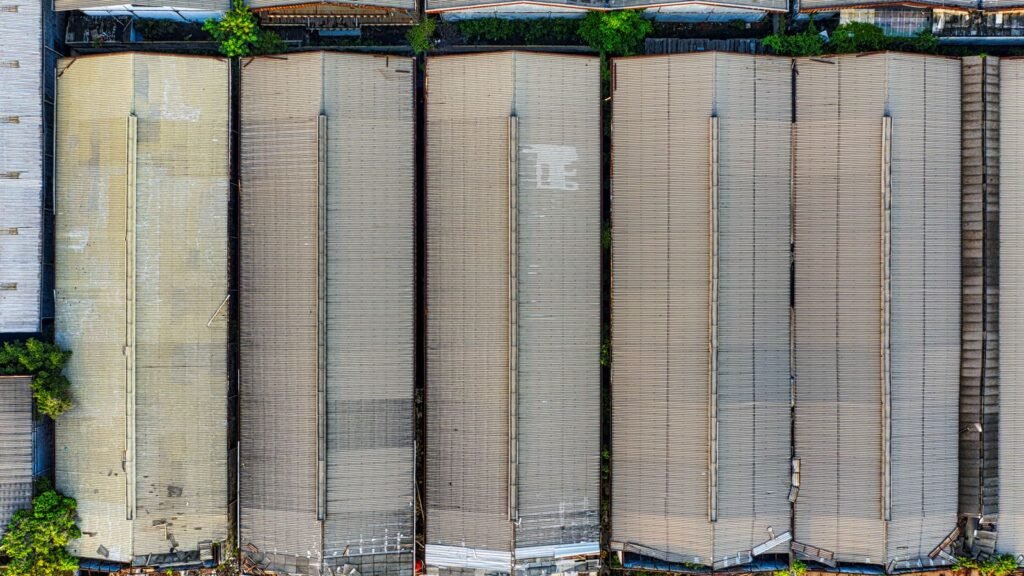
Greater Manchester is one of the busiest logistics regions in the country. From the distribution units of Salford to the fulfilment centres ranged along the M60 and the industrial estates across Middleton and Bury, thousands of pallets move through the city every single day. Behind all that activity sits a cleaning standard that most people never notice, and when it slips the problems appear fast, whether that is dust building up on racking, a slip hazard on the floor or a failed client audit. This guide explains what good warehouse cleaning in Manchester actually involves, and what operations and logistics managers should expect from a professional industrial cleaning contractor.
Industrial cleaning is a different discipline from office or retail work. The spaces are larger, the surfaces are far taller, the traffic is heavier and the safety risks are greater. Doing it properly means understanding how a working warehouse runs, not simply pushing a scrubber up and down an aisle.
Why Cleaning Standards Matter on a Working Warehouse Floor
A warehouse is a shared space where forklift trucks, pedestrians and stock all move through the same aisles, often at pace. Cleanliness is tied directly to safety here. A film of fine dust on a resin floor reduces tyre grip. A burst pallet creates an instant slip and trip risk. Poor housekeeping around racking blocks emergency routes and hides the damage that ought to be reported.
There is a commercial dimension too. Retailers, food-grade operators and third-party logistics providers are routinely audited by their own clients, and cleanliness is one of the first things an auditor looks at. A site that cannot show a consistent cleaning regime risks losing contracts over it. For many Manchester operators the cleaning standard is not a cosmetic nicety, it is a condition of keeping the work.
Managing Dust and Cleaning Racking Safely
Dust is the defining challenge of industrial cleaning. It settles on beams, cable trays, racking uprights and stored goods, and in real volume it becomes both a fire risk and a contamination problem. Fine particulate drifts into ventilation systems and onto packaging, which is a serious issue for any site handling food, pharmaceuticals or sensitive electronics.
Effective dust control relies on industry-standard extraction equipment fitted with the correct filtration, rather than sweeping that simply throws the problem back into the air. Racking needs a planned approach of its own. Cleaning the uprights, beams and decking usually means the bay has to be cleared or partly de-stocked, and the work has to be coordinated with the warehouse team so live pick faces are never disturbed. A competent contractor surveys the racking layout first and builds a cleaning sequence around the operation, one section at a time.
Floor Scrubbing and Line of Sight Safety
The floor is the hardest working surface in any warehouse, and it is where cleaning has the most visible effect. Ride-on and pedestrian scrubber-dryers lift ingrained dirt, tyre marks and spillage residue from resin, concrete and coated floors, leaving a surface that is both cleaner and safer underfoot. Regular scrubbing also protects the floor coating itself, which is expensive to relay once it wears through.
Line markings deserve particular attention. The painted lanes that separate pedestrians from vehicles, flag racking positions and define loading zones only do their job while they remain visible. Dirt, scuffing and rubber deposits gradually mask them, and a faded walkway line is a genuine safety failure rather than a tidy-up matter. Part of a proper floor regime is keeping these markings clear so the line-of-sight segregation between people and forklift trucks holds up at every junction.
High-Level Cleaning Above the Working Zone
Everything above head height still gathers dirt, and this is where industrial cleaning becomes a specialist job. Left alone, the grime up in the roof space eventually falls back down onto the floor and the goods below. High-level cleaning on a Manchester warehouse typically covers:
- Structural steelwork, beams and purlins
- Roof lights, which lose natural light as they film over with dust
- Ductwork, cable trays and pipework
- Light fittings and high-level signage
- The tops of racking runs and mezzanine edges
This work is carried out from mobile elevating work platforms or with other safe access equipment, and it is tightly controlled. Working at height is one of the most heavily regulated activities on any site, and a contractor should hold the right training and produce method statements and risk assessments before a platform is ever raised. The Health and Safety Executive sets out the legal framework in its guidance on working at height, which any credible industrial cleaning provider will follow to the letter.
Welfare Areas That Meet Legal Expectations
Warehouse welfare facilities take heavy daily use and they carry clear legal duties. Toilets, canteens, locker rooms, drying rooms and rest areas all have to be kept clean and stocked, and standards here feed straight into staff morale and retention. On a large distribution site with hundreds of workers across several shifts, welfare cleaning is a substantial task in its own right.
The expectation is consistency rather than the occasional deep clean. Canteens need sanitising between shifts, washrooms need servicing through the day and consumables need replenishing before they run out. A contractor who understands multi-shift operations schedules welfare cleaning around break patterns, so facilities are presentable at the moment staff actually use them.
Scheduling Around the Clock to Avoid Disruption
The biggest practical challenge in industrial cleaning is timing. A busy Manchester distribution centre may run two or three shifts, leaving only a narrow window when an area is quiet enough to clean safely. Cleaning a live aisle while forklift trucks are working is neither safe nor productive, so the schedule has to bend around the operation.
This is why out-of-hours and overnight cleaning is standard practice on logistics sites. Floor scrubbing, high-level work and racking cleans are usually carried out during the quietest hours or planned shutdown periods, when the risk of interference is lowest. Good scheduling is a collaboration between the cleaning contractor and the site management team, mapping the cleaning programme onto the operational calendar so neither one gets in the way of the other. The aim is simple, a spotless site with zero lost picking hours.
How often should a warehouse be cleaned
It depends on the operation. High-traffic floors and welfare areas usually need daily attention, while racking, high-level steelwork and roof lights are cleaned on a periodic schedule, often quarterly or in line with audit requirements. A good contractor will recommend a frequency based on your throughput, the goods you handle and the client audit standards you work to.
Can industrial cleaning be done without stopping operations
In most cases, yes. The bulk of warehouse cleaning is planned around shift patterns and carried out out of hours or in quiet periods, so the site keeps running. Larger jobs such as full racking cleans may need a bay cleared temporarily, but that is coordinated with your team well in advance.
What areas does warehouse cleaning usually cover
A full service typically covers floors, racking, high-level steelwork and lighting, welfare and site offices, external yards and loading bays. It can be delivered as a regular contract or as one-off deep cleans, depending on what the site needs at the time.
Do cleaning contractors handle both floors and high-level work
Established industrial contractors do. High-level cleaning calls for trained operatives and access equipment, so it is worth checking that your provider holds the right accreditations and can produce method statements and risk assessments for working at height.
Exclusive Property Facilities delivers warehouse and industrial cleaning across Manchester, Salford, Middleton and the wider North West, with schedules built around your operation rather than against it. Explore our commercial cleaning in Manchester service, or speak to our cleaning contractors in Manchester team for a site survey and a tailored quote built around your hours, your throughput and the standards you are audited to.
Related guides and services
Browse more advice in our Cleaning Guides hub. For hands-on help, see our Warehouse Cleaning Manchester service. You may also find these useful: A Practical Spring Cleaning Checklist for Manchester Homes and How to Keep Office Upholstery and Soft Furnishings Looking New.

Want this done properly at your property?
Tell us the building and the problem. We quote from a written specification, and contracts start with a three-month trial rather than a long tie-in.