After Builders Cleaning in Sale and Urmston Homes
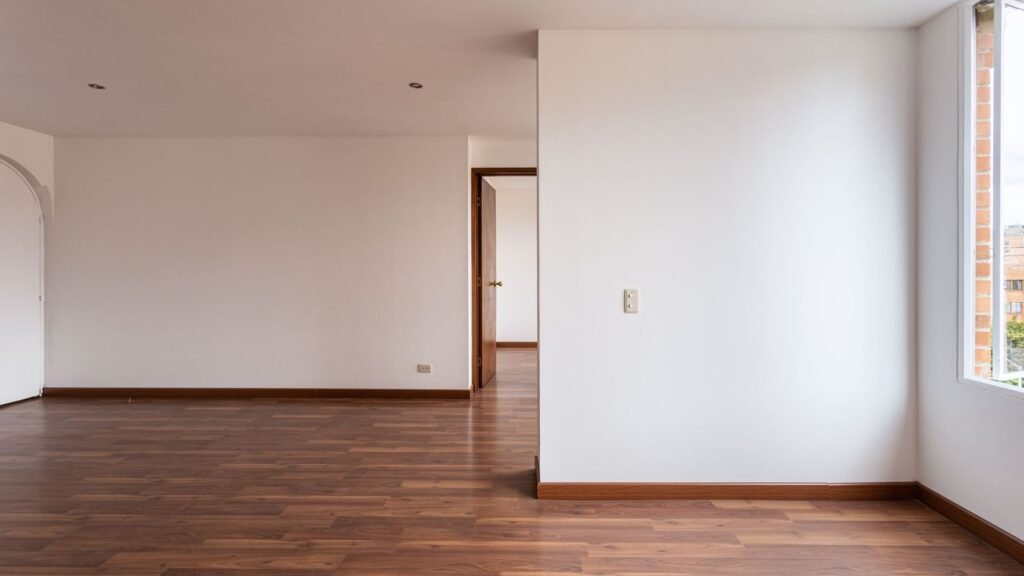
After builders cleaning in Sale should be planned around the work completed, the materials installed and the areas that can safely be released for cleaning. An extension or refurbishment may leave dust, debris and marks across several rooms, but those conditions do not all need the same method. A clear handover from the building team helps the cleaner assess the actual task.
The same approach applies to an Urmston home undergoing renovation. This guide explains how to define the rooms, arrange the sequence and distinguish cleaning from unfinished work. It does not treat a visually tidy room as proof that building work is complete or that every material is safe to disturb.
Identify what work has finished
Tell the cleaning provider which trades have completed their work and which are returning. Describe the areas released for access and any parts that remain controlled by the contractor. A cleaning appointment should not depend on guessing whether a room is ready.
Provide a named building contact who can clarify unfinished fittings, protected surfaces or another restriction. If conditions change, communicate that before the team starts. An installation that is still being altered can affect both the cleaning method and the condition left afterwards.
Our after-builders cleaning service can be discussed against that room and work list. Identify the property, the refurbishment completed and the surfaces requiring assessment so the quote describes the actual request.
Separate building waste from the cleaning scope
Agree who removes packaging, offcuts, rubble and other waste from the works. A room full of materials is not the same task as an accessible room with settled dust. The cleaner should know what remains and whether any permitted waste handling is included.
Keep unidentified containers, sharp objects and construction residues with the appropriate responsible contractor. Do not ask a cleaner to sort unknown materials casually as part of an ordinary household visit. The condition needs assessment before handling is accepted.
Clear the agreed route and surfaces once the building team has completed its responsibilities. That gives the cleaning provider an accurate view of the remaining task, rather than a quote based on photographs taken while the works were still under way.
Provide information about the dust
Explain the processes and materials involved in the refurbishment. Sanding, cutting and other work can create dust with different characteristics. Unknown material should not be described as harmless household dust merely because it has settled on a windowsill.
The Health and Safety Executive’s dust guidance sets out general principles of protection and checking dust problems. Its practical guidance also notes that fine airborne dust can be invisible in ordinary lighting. A tidy appearance therefore does not replace the contractor’s assessment of the task and relevant controls.
Tell the cleaner about any known hazardous-material restriction or unresolved concern identified during the works. Do not disturb uncertain material to make a room look ready. The responsible contractor should arrange identification and an appropriate response before that area is released.
Choose methods for the installed surfaces
List the new floors, glass, joinery, sanitary fittings and other finishes. Keep manufacturer care information available, including any conditions applying immediately after installation. The team should not select a method solely from the colour or general description of a surface.
A product suitable for one material may be unsuitable for a coating or adjacent seal. Identify the permitted tools and products before tackling a mark. Do not compensate for an uncertain residue by applying a stronger chemical or abrasive pad.
Record existing scratches, chips and changed finishes before cleaning. Those conditions may require another trade or the supplier’s advice. A cleaning quote should not imply repair or restoration of every visible defect in a refurbished home.
Work through the rooms in an agreed sequence
Plan the route so removed material is not simply carried back into an area already cleaned. Identify access through adjoining rooms and where equipment can be stored during attendance. The sequence should reflect the layout and the accepted methods.
Include accessible ledges, frames, fittings and floor edges in the task list rather than rely on a broad request to remove all dust. Decide which cabinets are emptied and which remain outside the scope. Storage containing possessions needs a different preparation arrangement from empty joinery.
Keep people and pets clear of working areas while the method requires it. The team should leave routes usable under the agreed finish conditions, rather than move wet equipment or bags into another part of the home without coordination.
Define the glazing and frame work
Identify the glass and any coating before asking for removal of paint, plaster or labels. Supply product information from the installer and tell the cleaner whether another treatment has been attempted. A universal scraper or solvent recipe does not describe every glazing product.
Separate ordinary surface cleaning from assessing attached residue. A label adhesive, a paint spot and a scratch are different conditions. The provider should explain what it can assess and accept without promising that every mark will disappear.
Include accessible frames, sills and tracks only where their care and access arrangements permit the task. Do not expect the cleaner to remove a window component or adjust a fitting to reach a concealed area. Installation concerns belong with the responsible trade.
Check kitchens and bathrooms as distinct areas
New kitchen and bathroom fittings need their own care information. Identify the worktops, cupboard interiors, appliance surfaces and sanitary fittings included in the request. Cleaning an accessible surface should not imply testing or commissioning equipment.
Tell the provider about previous chemicals or treatments used in these rooms. Keep product labels available and do not mix cleaning substances. The accepted method should suit the material and condition, rather than an assumed general bathroom or kitchen recipe.
Record a leak, damaged seal or unfinished connection separately. Cleaning staff should not be expected to make a repair in order to complete the visit. The handover should show whether an agreed cleaning task is incomplete or another trade needs to resolve a condition.
Plan the floor around its care requirements
Describe the covering, finish and any installation-related restrictions. An untreated substrate, a new coating and a fitted floor covering can require different handling. Obtain the relevant information before the cleaning method is agreed.
Decide how furniture and stored items are dealt with. A quote for an accessible floor should not silently include moving heavy or fixed objects. Give the provider the actual access conditions and identify who prepares the space.
Confirm the conditions for walking on the floor after the selected method. Do not assume it can be used immediately because the cleaning team has left. The finish arrangement needs to be clear to the occupier and anyone returning to the property.
Manage later trade visits
Ask whether another contractor will return after the main clean and what work remains. A snagging visit may leave new dust or marks in a room previously completed. The final record should reflect the condition at the time it was checked.
Arrange any further cleaning against the new task and access requirements. Do not assume the original quotation includes repeated attendance for work added afterwards. A clear sequence makes it easier to distinguish the accepted clean from subsequent activity.
If only one room is ready, specify that boundary rather than describe the entire home as complete. Staged access can be discussed, but each stage needs a defined task and handover. The cleaner should not sign off an area it has not entered.
Prepare the Sale or Urmston booking information
Supply the address, rooms, work completed and care information for installed materials. Explain parking or unloading restrictions and the route into the property. Tell the provider about narrow access, occupied areas or another practical condition affecting attendance.
The areas we serve information helps frame a local enquiry. The quotation should still follow the particular home and work, rather than assumptions about every extension or refurbishment in the area.
Keep a named contact for scope changes and questions during attendance. The person approving additional work should have enough information to decide whether it is accepted. That avoids undefined requests being passed between trades and the cleaning team.
Record the handover clearly
Review the included rooms and surfaces against the task list. Identify an inaccessible area, unresolved residue or existing damage plainly. A cleaning completion record should not be presented as a building inspection or a guarantee that every possible hazard has been removed.
Where photographs are agreed, use them to show the identified area and remaining condition. Keep the description tied to what was seen and done. A particular defect is easier to refer to the right trade than a broad claim that the refurbishment was not finished.
Questions about after-builders cleaning
Can the clean start before all trades finish?
Only the areas released under an agreed arrangement should be accepted. Clarify later work and any further attendance needed.
Will cleaning remove every paint or plaster mark?
The residue and surface need assessment. Do not assume one removal method is suitable for every finish.
Does the handover confirm the building work is safe?
It records the cleaning task and exceptions. Technical inspection and unresolved building concerns remain separate.
Make the room-release and cleaning plan clear
Gather the work list, surface information and access arrangements, then discuss your Sale or Urmston after-builders cleaning requirements with Exclusive Property Facilities. The accepted scope should show what can be cleaned and how the completed rooms are handed back.

Want this done properly at your property?
Tell us the building and the problem. We quote from a written specification, and contracts start with a three-month trial rather than a long tie-in.