How Often Should a Manchester Office Be Cleaned
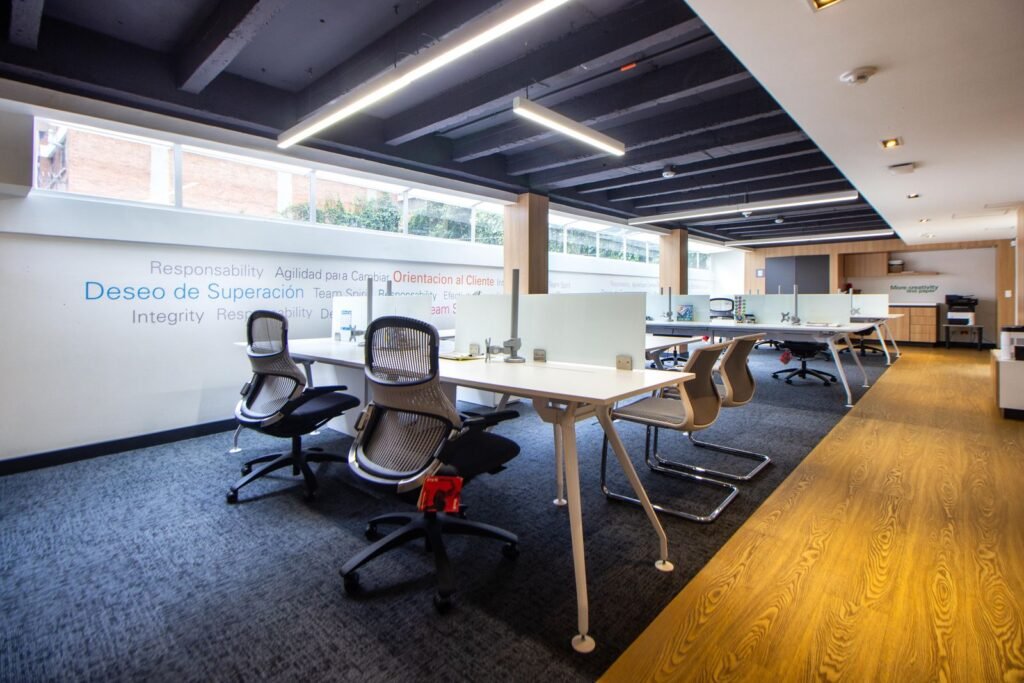
How Often Should a Manchester Office Be Professionally Cleaned
A clean office does far more than look tidy. It protects your team from bugs that spread through shared desks and door handles, keeps clients confident in your business, and helps your building last longer. Yet one question comes up again and again from Manchester employers. How often does an office actually need professional cleaning? The honest answer is that it depends on your space, your people, and the kind of work you do. This guide breaks down a sensible cleaning frequency for a Manchester workplace by business type, footfall, and the hygiene standards your staff and visitors expect.
What Decides How Often Your Office Needs Cleaning
No two offices are the same, so no single schedule fits every business. A handful of practical factors shape how often you should book professional cleaning.
- Footfall. The more people walking through your doors each day, the faster dirt, dust and germs build up.
- Team size. A busy open plan floor with fifty desks needs far more attention than a quiet office of six.
- Type of work. Food handling, healthcare and childcare carry stricter hygiene needs than a design studio.
- Shared spaces. Kitchens, break rooms and toilets take heavy use and need frequent attention.
- Flooring and surfaces. Carpets, hard floors and soft furnishings each wear and soil at different rates.
- Season. Wet Manchester winters drag in mud and grit that entrance mats and hard floors soak up.
Weigh these together and you get a clear picture of the cleaning routine your workplace really needs.
Office Cleaning Frequency by Business Type
As a rough guide, here is how often different Manchester workplaces tend to book professional cleaning. Treat these as sensible starting points rather than fixed rules.
- Small professional office such as accountants, solicitors or agencies. Two to three cleans a week usually keeps desks, kitchens and toilets in good order.
- Busy open plan or call centre. Daily cleaning is the norm, as heavy desk sharing and constant footfall spread germs quickly.
- Medical, dental or care settings. Daily cleaning is essential, often with extra attention to touchpoints and clinical areas throughout the day.
- Hospitality and customer facing spaces. Daily, and often more than once a day, because visitors judge you on what they see and smell.
- Warehouse or light industrial offices. Site offices and welfare areas usually need daily or alternate day cleaning, plus regular deep cleans for washrooms.
- Co-working and shared offices. Daily cleaning of communal zones, with lighter attention to private suites.
If your business sits between two of these, lean towards the more frequent option. It is easier to ease back later than to recover a space that has been allowed to slip.
Daily, Weekly and Periodic Cleaning Tasks
It helps to think of office cleaning in three layers rather than one lump. Splitting tasks by how often they need doing keeps your costs sensible and your standards high.
- Daily tasks. Emptying bins, wiping desks and touchpoints, cleaning toilets, restocking soap and towels, and vacuuming the main walkways.
- Weekly tasks. Full vacuuming, mopping hard floors, dusting surfaces and ledges, and a deeper clean of kitchens.
- Periodic tasks. Carpet deep cleaning, high level dusting, internal glass and window cleaning, usually every few months.
Getting this balance right means your daily budget is not spent on jobs that only need doing now and then.
Footfall and Hygiene Expectations
Staff and visitors now expect a visibly higher standard of hygiene than they did a few years ago. Touchpoints such as door handles, light switches, lift buttons, shared keyboards and kettle handles are where germs pass from hand to hand. In a busy office these should be wiped every day, and more than once a day where footfall is high.
Employers also carry legal duties around a clean and safe workplace. The Health and Safety Executive sets out clear expectations for cleanliness, welfare facilities and waste in its workplace health, safety and welfare guidance. Meeting that standard is far easier with a regular professional cleaning routine than with the occasional tidy up. A dependable schedule also gives you a clear record that the basics are being handled.
Why Carpets and Soft Flooring Need Their Own Schedule
Carpets act like a filter for your whole office. They trap dust, grit, spills and allergens that vacuuming alone cannot lift. In a Manchester office, wet weather and constant foot traffic push soil deep into the pile, where it wears the fibres and dulls the colour over time. Daily vacuuming handles the surface, but the pile still needs a professional deep clean every six to twelve months, and more often in high traffic entrances and meeting rooms.
A planned carpet cleaning schedule protects your flooring, keeps the air in your office fresher, and stops stubborn marks becoming permanent. Hard floors follow a similar logic, with regular mopping topped up by periodic machine scrubbing to keep them safe and presentable.
Building a Cleaning Schedule That Fits Your Manchester Workplace
The best schedule is one built around your actual space rather than a template. A good starting point is a walkthrough of your office to note footfall patterns, problem areas and the surfaces that soil fastest. From there you can set daily, weekly and periodic tasks that match how your team really works, then review the plan every few months as your needs change.
At Exclusive Property Facilities we plan commercial cleaning in Manchester around your building, your hours and your budget. We clean early mornings, evenings or overnight so your working day is never disrupted, using professional-grade equipment and industry-standard methods that hold up to close inspection. Whether you need a light weekly service or a full daily contract, the aim is a consistently clean, healthy office that reflects well on your business.
How often should office toilets be cleaned
Office toilets should be cleaned at least once a day in any workplace with regular staff, and more than once a day where footfall is high. This covers wiping surfaces, cleaning toilets and sinks, and restocking soap, towels and paper. Frequent washroom cleaning is one of the simplest ways to protect staff health and comfort.
Is daily cleaning necessary for a small office
Not always. A small team of six to ten people often stays comfortable with two or three professional cleans a week, as long as toilets and the kitchen are covered. If anyone handles food, or you welcome a steady stream of visitors, daily cleaning becomes the safer choice.
How often should office carpets be deep cleaned
Most office carpets benefit from a professional deep clean every six to twelve months. High traffic areas such as entrances, corridors and meeting rooms may need it more often. Regular deep cleaning lifts the trapped grit that would otherwise wear the fibres and shorten the life of your flooring.
What time of day is best for office cleaning
Most Manchester businesses prefer cleaning before staff arrive or after they leave, so the work causes no disruption. Early mornings, evenings and overnight slots all work well. For customer facing spaces, a quick daytime touchpoint clean can sit alongside the main out of hours service.
Not sure how often your office should be cleaned? We are happy to take a look and suggest a routine that fits. Contact Exclusive Property Facilities for a free, no obligation quote and a cleaning schedule built around your Manchester workplace.
Related guides and services
Browse more advice in our Cleaning Guides hub. For hands-on help, see our Office Cleaning Manchester service. You may also find these useful: End of Tenancy Cleaning Checklist for Manchester and How Much Does Carpet Cleaning Cost in Manchester.

Want this done properly at your property?
Tell us the building and the problem. We quote from a written specification, and contracts start with a three-month trial rather than a long tie-in.