Rug Cleaning and Care for Wool and Delicate Rugs
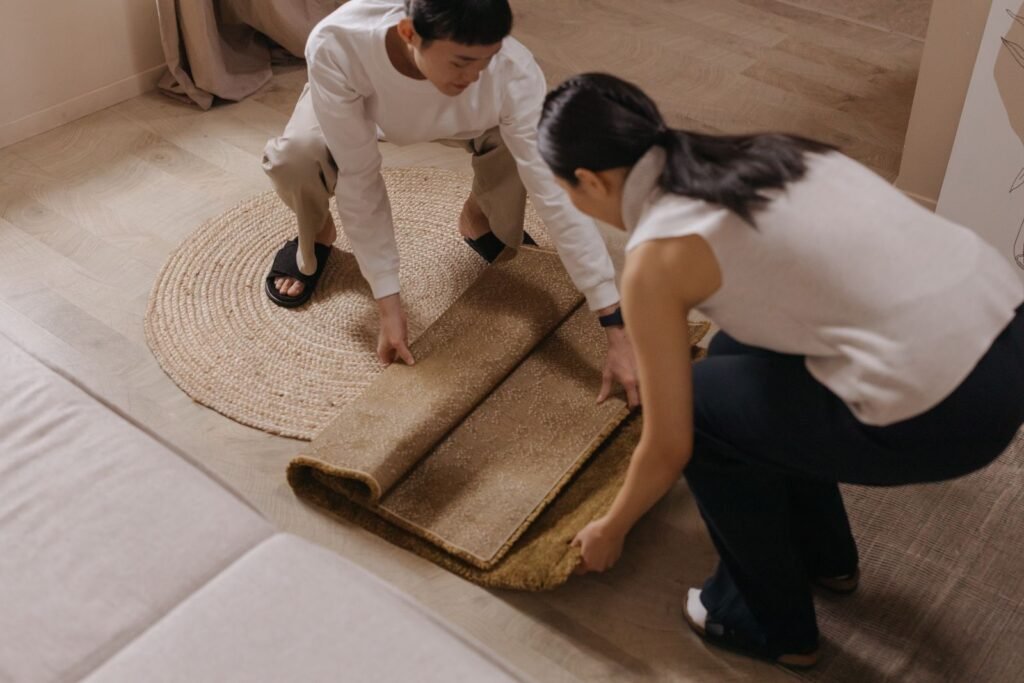
A good rug is often the single most valuable soft furnishing in a room, and frequently the most abused. It sits directly in the walkway, catches every spill and every muddy shoe, and yet gets a fraction of the care given to the sofa it sits beside. Wool rugs, Persian and Oriental pieces, viscose blends and antique rugs all have specific needs, and the gap between correct care and casual treatment is the gap between a rug that looks rich at twenty years old and one that is faded, distorted and smelly at five.
The good news is that rug care is mostly about restraint. A handful of gentle habits done consistently, a fast and careful response to spills, and professional cleaning at sensible intervals will protect almost any rug. This guide covers all three, along with the common home treatments that quietly destroy delicate rugs, so you know exactly where the line sits between what to do yourself and when to bring in a professional rug cleaning service.
Why Wool Behaves Differently
Wool is a remarkable fibre. It hides soil well, resists crushing, holds dye beautifully and can last generations. It is also protein-based, which means it reacts badly to things synthetic carpets shrug off. High alkaline cleaning products, the kind found in many general purpose carpet shampoos, damage wool fibres and can cause browning, harshness and colour change. Excessive heat and aggressive agitation cause felting, where the fibres mat together permanently. Overwetting a wool rug can lead to shrinkage, dye migration and mildew in the foundation.
This is why the golden rule of wool rug care is simple. Never use a product or method on a wool rug unless you know it is safe for wool specifically. The WoolSafe organisation exists for exactly this reason, testing and certifying cleaning products and training cleaning professionals in the correct care of wool carpets and rugs, and its guidance is the benchmark a careful rug owner or cleaner should work to.
Routine Care That Actually Protects a Rug
Most rug damage is not caused by disasters. It is caused by grit. Dry soil tracked in on shoes works down into the pile and acts like sandpaper every time the rug is walked on, cutting fibres at the base. The single most protective habit is regular, correct vacuuming.
- Vacuum wool rugs with suction only or a very gentle brush setting, never an aggressive beater bar on delicate pieces
- Vacuum in the direction of the pile, and skip the fringes entirely, tidying them by hand instead
- Rotate the rug once or twice a year so wear and sunlight fade evenly rather than in one traffic lane
- Use a quality underlay, which reduces wear, stops creeping and protects both rug and floor
- Keep rugs out of prolonged direct sunlight where possible, or rotate more often where you cannot
- Deal with moths seriously, checking under furniture where rugs sit undisturbed, because moth grubs eat wool from the back
None of this takes more than a few minutes a week, and together it doubles the practical life of a rug. The under-furniture moth check is the one most owners skip and most regret skipping, because damage happens precisely where the rug is never looked at.
Spills, the First Five Minutes Decide Everything
When something spills on a delicate rug, speed and gentleness beat products every time. Blot immediately with plain white kitchen towel or a clean white cloth, working from the outside of the spill inward, pressing rather than rubbing. Keep replacing the towel until almost nothing more transfers. For thicker spills, lift solids with a spoon before blotting. A small amount of cool water can help flush a fresh spill, applied sparingly and blotted straight back out.
What you must not do is equally clear. Do not scrub, which spreads the stain and felts the pile. Do not use hot water, which sets many stains and stresses the fibre. Do not reach for a general spray cleaner, a laundry product or anything containing bleach or strong alkalinity. Do not pile salt on red wine, whatever the internet says. If the stain does not lift with careful blotting, stop and call a professional, because a set stain plus a wrong product becomes permanent damage, while a set stain alone is usually still treatable through proper specialist stain treatment.
The Home Treatments That Ruin Delicate Rugs
Professional rug cleaners see the same self-inflicted injuries again and again. Rental carpet machines used on wool rugs, leaving them soaked, smelling of wet dog for a fortnight and often browned or shrunken. Supermarket foam shampoos that leave sticky residue which then attracts soil faster than ever. Bicarbonate of soda ground deep into the pile where no domestic vacuum can retrieve it. Steam mops run over delicate fibres. Viscose rugs, sometimes sold as art silk, wetted at home and left permanently yellowed and coarse, because viscose is exceptionally unforgiving when wet.
The pattern behind every one of these is the same, a method that is roughly acceptable on a tough synthetic carpet applied to a fibre that cannot take it. If you are ever unsure what a rug is made of, treat it as delicate until you know otherwise. Burn tests and fibre identification are jobs for a professional, not a lighter over the kitchen sink.
What Professional Rug Cleaning Involves
Proper rug cleaning starts before any water is involved. The cleaner identifies the fibre, the construction and the dyes, and tests for colourfastness in an inconspicuous spot. Thorough dry soil removal comes next, often extracting a startling quantity of grit from a rug that looked merely dull. Only then is a cleaning method chosen to suit the specific rug, whether low moisture cleaning for delicate or unstable pieces, controlled extraction for robust wool, or fully off-site immersion washing for rugs that need it and can take it.
Drying is managed rather than left to chance, because controlled drying is what prevents mildew, dye migration and distortion. Fringes are cleaned and straightened, the pile is groomed, and any concerns found during the work, such as moth activity or foundation damage, are reported to the owner. It is a slower, more considered process than routine carpet cleaning, and that is exactly why valuable rugs survive it looking better rather than worse.
How Often Rugs Need Professional Cleaning
There is no single interval, but sensible guidance is straightforward. A rug in a busy hallway or family living room typically benefits from professional cleaning every twelve to eighteen months. Rugs in quieter rooms can comfortably go two to three years. Antique and high value pieces are usually cleaned less often but inspected more often, because with those rugs the priority is condition monitoring as much as cleanliness.
Cost varies with size, fibre, construction and condition rather than following a flat rate. A machine-made synthetic rug is a quick job, while a hand-knotted wool piece with fringes and delicate dyes takes genuine time and skill. A reputable company will explain what your particular rug needs and why, and will tell you honestly when a rug is robust enough that the simpler, cheaper method is the right one. Our cleaning guides include more detail on related fabric and floor care topics if you want to go deeper.
Storing and Moving Rugs Without Damaging Them
Rugs come to grief in storage almost as often as in use, and the rules are worth knowing before a house move or a seasonal swap. Always roll a rug, pile side in for most pieces, around a core if you have one, and never fold it, because fold lines in wool and especially in older rugs can become permanent creases and cracked foundations. Clean the rug before storing it, since moths seek out soiled wool first and food residue invites worse. Wrap it in breathable material such as cotton sheeting rather than plastic, which traps moisture and encourages mildew, and store it flat and raised off concrete floors in somewhere dry with stable temperature.
Check stored rugs every couple of months rather than sealing them away for years. A five-minute unroll and inspection catches moth activity and damp at the stage where they are inconveniences rather than write-offs. For valuable pieces going into storage long-term, a professional clean beforehand with a moth-deterrent treatment is inexpensive insurance against opening the wrapping to find the decision made for you.
Caring for Rugs the Manchester Weather Throws Everything At
Manchester rugs live a hard life. Wet pavements, gritted winter streets and muddy parks all end up in the pile by the front door. A doormat regime helps enormously, one mat outside and one inside every entrance, washed regularly. A shoes-off habit helps even more. Between those habits and the routine care above, most of the battle is won before any cleaning product is ever needed.
When your rug does need professional attention, choose care over convenience. Exclusive Property Facilities cleans wool, delicate and everyday rugs across Manchester, with fibre-appropriate methods, honest advice on what each rug needs, and careful handling from inspection through to drying. If you have a rug that deserves better than guesswork, get in touch for a quote and tell us about the piece.



Want this done properly at your property?
Tell us the building and the problem. We quote from a written specification, and contracts start with a three-month trial rather than a long tie-in.