Warehouse Cleaning in Salford, Contracts, Floors and Delivery Windows
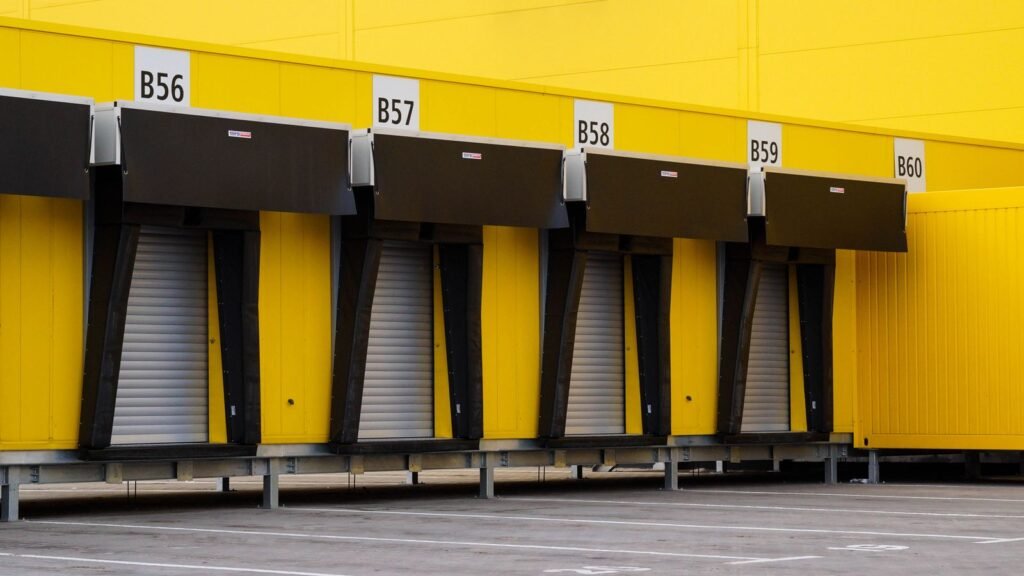
Warehouse cleaning in Salford covers a wide range of units. There are warehouses and light industrial units around Barton and Irlam, industrial units on the fringe of Trafford Park and trading estates near Eccles, and each has its own mix of delivery doors, floor space and people on site. A cleaning contract that suits one of them can be wrong for the next, so the useful starting point is a clear description of your own unit.
This guide is for the manager of a warehouse or distribution unit in Salford who is arranging a contract. It explains the contract patterns that work, how floor cleaning is fitted around delivery windows and forklift traffic, how to deal with the offices and welfare areas on the same lease, and what to put in an enquiry so that the quote reflects the unit and not a guess.
What a Salford warehouse enquiry should say about the unit
The quality of a quote depends on the quality of the description. Before you contact a warehouse cleaning company in Salford, gather the facts a contractor would otherwise have to ask for on the first call.
- The unit address and the access arrangements, including any gate or barrier procedure and who holds the keys.
- The floor area and how it is divided between storage, picking, loading and offices.
- The floor type, such as concrete, power-floated, epoxy or resin, and its condition.
- The operating hours, the shift pattern and the delivery windows when vehicles are arriving.
- The vehicles and equipment that use the floor, including forklifts and pallet trucks.
- The offices, canteens, washrooms and changing rooms on the same lease.
- Anything the site regards as a particular problem, such as dust, spills or mud from the yard.
- The site rules the team must follow, including induction, PPE and visitor procedures.
Photographs and a simple floor plan make the picture clearer still, and a site visit is the best way to confirm it. Exclusive Property Facilities agrees scope, access and timing with the client before the work begins, so the enquiry only needs to start the conversation, not settle every detail.
Daily and weekly contract patterns
There is no single right pattern. A sensible approach is to split the work by how quickly each area gets dirty. Welfare areas such as washrooms and canteens are used throughout every shift, so they normally sit on the most frequent visit. Floors follow traffic, and a busy loading aisle does not need the same attention as a quiet storage corner. Racking, beams and lighting gather dust more slowly and are usually left to a periodic deep clean.
One workable structure is a short daily or several-times-a-week visit for welfare areas, entrances and the main floor routes, a regular machine clean of the wider floor, and periodic work for the higher levels. The right frequency for your unit is a decision for the site assessment, because the same floor area can need very different attention depending on the volume of vehicles and the nature of the stock. Write the pattern into the contract by area so that you can see what each visit includes.
Floor routines around delivery windows
Delivery windows decide when the floor is available. A machine clean on the main aisles is best done when no vehicles are arriving, so ask the operations team for the busiest and quietest periods and plan the route around them. Work near the loading doors needs the most care. Vehicle access points track in mud and grit, and a wet floor at the dock edge is a risk to anyone on foot.
Scrubber-driers suit this kind of site because they lift the cleaning water straight back up. Exclusive Property Facilities describes scrubber drying in its commercial floor cleaning service as leaving the floor walkable within minutes, which makes it realistic to clean one section while the next is in use, as long as the boundary between them is clear. Ask the contractor to describe the machine route in writing, including where it starts, which zones it crosses, how long each zone is out of use and who is told when it is complete.
Forklift traffic and pedestrian routes
Forklifts and pallet trucks share the floor with the cleaning team, so the routes need agreeing before the first visit. Decide whether the team works in sections that are closed to vehicles, who closes them and who confirms that it is safe to reopen. Exclusive Property Facilities states on its warehouse page that it coordinates access with the operations team so that cleaning does not conflict with goods handling or vehicle movements, and any contractor you choose should be able to describe the same kind of arrangement.
Floors matter for safety as well as appearance. Logistics UK, the business group for the logistics industry, notes in a press release on workplace safety that HSE research identifies slips, trips and falls as the main cause of non-fatal workplace injuries, and it stresses the need for even, safe flooring. A cleaning routine cannot repair an uneven floor, but it can avoid adding a slippery film or leaving a damp patch on the route a forklift takes, so ask how the contractor controls residue and removes water.
Loading bays, yards and entrances
The dock is where the outside arrives. Mud, grit, rainwater and debris come in on tyres and boots, then spread along the aisles. A routine that cleans the dock area more often than the rest of the floor protects the cleaner floor behind it. Decide who deals with the yard and any external areas, because a contractor responsible only for the interior will stop at the door.
Ask how spills will be handled between visits. Exclusive Property Facilities lists chemical and product spill clean-up on its warehouse page as part of a reactive maintenance agreement, so if you expect a response between scheduled visits, say so and agree how it is triggered. A spill should not be assumed to be included in a routine schedule.
Offices and welfare areas on the same lease
Many Salford units combine warehouse space with offices, canteens, washrooms and changing rooms under one lease. These areas need a different standard and a different frequency from the warehouse floor. Washrooms and canteens are used throughout the shift, while an administration office may need cleaning once a day or less. Exclusive Property Facilities includes staff welfare areas, and office areas where the premises are mixed use, within its warehouse cleaning scope.
Put each area on its own line in the specification, with its own frequency and its own checklist. Decide who supplies consumables such as soap and paper towels, and who restocks them between visits. Where the building is shared, keep the office cleaning times separate from the warehouse shift pattern so that nobody is cleaning a desk area while a team is trying to start a shift.
Dust and high-level cleaning
Dust collects on racking, beams, ducting and lighting rigs, and then falls onto products and working areas. Exclusive Property Facilities carries out high-level cleaning of those structures within its warehouse cleaning service in Manchester, normally as a periodic deep clean rather than a routine visit. For a Salford unit, plan it for a quiet period or a shutdown, agree who moves the stock below and keep it separate from the regular floor visit.
Checking coverage and comparing quotes
Exclusive Property Facilities lists Eccles, Patricroft and Barton, and Irlam and Cadishead, among the Salford districts it covers on its cleaning company in Salford page. Confirm coverage for your specific unit before you rely on that, and give the postcode when you ask.
When quotes arrive, compare them on the same scope. Check that each covers the same floor area, the same zones, the same frequency and the same offices and welfare areas. A low figure that leaves out the dock, the welfare areas or the high-level work cannot be compared with one that includes them. Ask each contractor what is excluded, what happens if a visit is missed and how supervision and quality checks are carried out.
Ask for insurance details and how the team is trained for industrial sites. Exclusive Property Facilities states that team members working in industrial environments receive a health and safety induction suited to the site and that it holds public liability insurance. Whoever you choose, ask for the same assurances in writing before the first visit.
Questions about warehouse cleaning in Salford
Can a warehouse be cleaned while it is operating?
Often yes. Exclusive Property Facilities says it works in sections during operational hours for facilities that cannot fully shut down, and completes full cleans during scheduled maintenance windows or shutdowns. The approach is confirmed at the site assessment, once the delivery pattern and the traffic routes are known.
How often should a warehouse be cleaned?
It depends on traffic, stock and what reaches the floor, not on a calendar. The frequency is set at the site assessment and reviewed after the first few visits, when it is clear how the floor holds up. Welfare areas usually need more frequent attention than the storage floor.
Are the offices and welfare areas included?
They can be, as long as they are written into the specification. List each area, its frequency and who supplies consumables so that the quote covers the whole lease and not only the warehouse floor.
What should we say about delivery windows?
State when vehicles arrive, which doors they use and which aisles are busiest. The contractor can then plan machine routes for the quieter periods and agree how the dock area is cleaned between deliveries.
If you are arranging cleaning for a warehouse, distribution unit or light industrial space in Salford, send the details above and ask for a site visit. A clear description of the unit, the floor and the delivery pattern is the quickest way to a quote that matches the work.

Want this done properly at your property?
Tell us the building and the problem. We quote from a written specification, and contracts start with a three-month trial rather than a long tie-in.