What to Expect From a Weekly Domestic Cleaning Routine
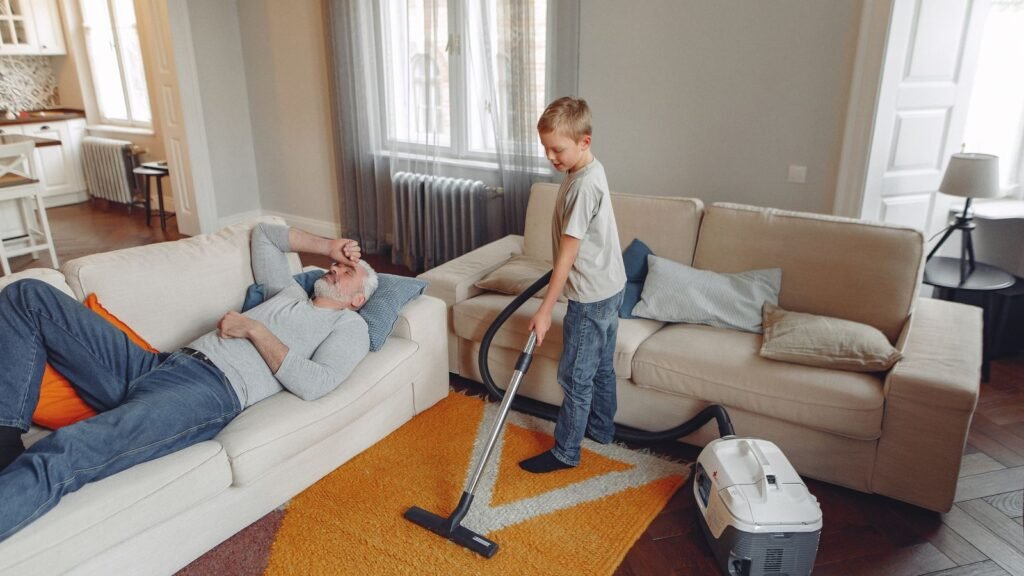
Hiring a weekly cleaner is one of those decisions people circle around for months. The questions are always the same. What does the cleaner actually do each visit? Will they do it the way I would? Is it worth the money for a house that is not exactly filthy? The uncertainty usually comes from never having seen a professional routine up close, because a good weekly domestic clean is not a vague tidy-up. It is a structured, repeatable programme that keeps a home permanently at a level most households only reach the day before guests arrive.
This guide walks through what a well organised weekly visit covers in a typical Manchester home, how the routine flexes between visits, and what you can reasonably expect from a professional domestic cleaning service. It also covers the practical questions about access, products and communication that decide whether the arrangement runs smoothly for years or collapses within a month.
The Core of Every Weekly Visit
Whatever the size of the home, the backbone of a weekly clean rarely changes. Kitchens and bathrooms take the most time because they get the most use and carry the most hygiene risk. Floors throughout the home are vacuumed and hard floors mopped. Surfaces are dusted and wiped, mirrors and glass polished, bins emptied. Beds may be changed if that is part of the agreement and fresh linen is left out.
In the kitchen, a weekly visit typically covers worktops, the hob and splashback, the sink and taps, the outside of appliances, the microwave inside and out, cupboard fronts and the bin area. In bathrooms it means the toilet inside and out, the basin and taps, the bath or shower and screen, tiles in the splash zones, the mirror and the floor. These two rooms are where a professional standard is most visible, because limescale, soap film and grime build in layers that a quick weekly wipe by a busy household never quite removes.
The rest of the home gets what cleaners call the maintenance pass. Dusting from high to low, spot-wiping fingerprints from doors and switches, straightening as they go, and floors last. Done weekly, this pass is quick precisely because it is done weekly. Dirt never gets the fortnight it needs to bond to surfaces.
The Rotating Tasks That Stop Slow Decline
A home cleaned only to the core list still declines slowly, because some jobs do not need doing weekly but do need doing. Good cleaners run a rotation alongside the core routine, tackling one or two deeper tasks each visit so nothing is ever more than a few weeks old.
- Skirting boards, door frames and picture rails dusted and wiped
- Inside of the microwave deep cleaned and the kettle descaled
- Kitchen cupboard fronts washed rather than wiped
- Shower screens treated for limescale rather than just rinsed
- Under-furniture vacuuming where access allows
- Internal glass, mirrors in less-used rooms, and window sills
- Radiators, vents and the tops of doors and wardrobes
This rotation is the quiet difference between a home that is cleaned and a home that stays genuinely clean. If your current arrangement has no rotation, you will notice it eventually, usually the day you move a sofa or look at the top of a door frame in sunlight.
How Long a Visit Should Take
Most weekly domestic cleans in Manchester run between two and four hours depending on the size of the home, how many people and pets live in it, and what the agreed scope includes. A two-bedroom flat with one bathroom sits at the lower end. A four-bedroom family house with two bathrooms, a dog and children needs more time, and pretending otherwise just means jobs get skipped silently.
Be wary of any arrangement where the hours quoted feel too good to be true. Cleaning takes the time it takes, and a visit squeezed below realistic hours forces the cleaner to choose between rushing everything and quietly dropping tasks. A professional company will walk the property first, discuss what matters most to you, and agree a scope that fits honestly inside the time booked. Cost then follows from hours and frequency rather than from a number plucked off a leaflet.
Why Routine Cleaning Is a Health Matter, Not Just a Visual One
A regular routine is not only about appearances. Kitchens and bathrooms harbour the bacteria most likely to cause stomach upsets, and shared touch points like handles, switches and taps move germs around a household quickly. Public health guidance from the NHS on preventing the spread of infection at home emphasises regular cleaning of these frequently touched surfaces, along with proper hand hygiene, particularly when someone in the house is unwell.
Dust control matters too. Carpets, soft furnishings and neglected corners hold dust that can aggravate allergies and asthma, and a weekly vacuum with a well maintained machine removes a large share of it before it settles in. For households with allergy sufferers, it is worth telling your cleaning company, because they can prioritise bedrooms, use damp dusting rather than dry, and pay extra attention to the fabrics where allergens collect.
Products, Equipment and Who Supplies What
Arrangements vary. Some households prefer the cleaner to use products already in the home, which keeps scents familiar and lets you control exactly what touches your surfaces. Professional companies more often bring their own high-grade products and equipment, which usually outperform retail equivalents and arrive with someone who knows precisely how to use them on each surface.
Either way, the important conversations happen up front. Natural stone worktops, waxed wood, brushed metal finishes and some modern matt kitchen doors all have products that damage them, and a good cleaner asks about these before the first visit rather than after the first mark. If anyone in the home has skin sensitivities or strong preferences about particular products, say so at the start. None of this is awkward for a professional. It is the normal setup conversation.
Trust, Access and Communication
The practical side of weekly cleaning is built on trust, and trust is built on boring, verifiable things. A reputable company vets and insures its staff, tells you who is coming, and sends the same cleaner or small team consistently so they learn your home. Key holding should be covered by a written agreement, with keys coded rather than labelled with your address.
Communication works best when it is easy and low-friction. A notes system, a message thread, or a quick word at handover all work. What you want to avoid is the silent drift where small dissatisfactions go unmentioned until they become a cancellation. If the bathroom taps are not getting the attention you hoped, say so after the second visit, not the twentieth. Professionals genuinely prefer the feedback, because a client who says nothing and then leaves is the outcome they most want to avoid.
When Weekly Is Not Enough, and When It Is Too Much
Weekly suits most family homes. Larger households with pets and young children sometimes move to twice weekly, while a tidy couple in a small flat may find a fortnightly visit holds the standard perfectly well. The honest test is how the home feels the day before the next visit. If it has slid noticeably, the gap is too long or the scope too thin.
Routine visits also cannot substitute for periodic heavy work. Ovens, carpets, upholstery and the full top-to-bottom treatment of a residential deep clean sit outside a normal weekly scope and are best booked seasonally or when the home needs a reset. Many households pair a weekly routine with one or two deeper sessions a year and find that combination keeps everything comfortably under control. Our cleaning guides cover those deeper jobs in detail if you want to see what each involves.
Life events are worth planning around too. A good company can flex the routine for the weeks that need it, an extra visit before family come to stay at Christmas, a heavier session after a birthday party, a reduced scope while the house is half-packed for a move. Tell your provider what is coming and let the schedule bend rather than cancelling and restarting, because continuity is what keeps the standard stable and keeps your regular cleaner familiar with your home. Holiday weeks work the same way, with most clients either keeping the visit so they return to a fresh house or banking the time against a deeper task like the inside of the fridge and the oven.
Getting Started With a Weekly Clean
The first visit is usually longer than the ongoing routine, because the cleaner is bringing the home up to the standard the weekly visits will then maintain. After that, the rhythm settles quickly, and most clients say the same thing within a month, which is that they cannot quite believe they waited so long. Exclusive Property Facilities provides reliable weekly and fortnightly domestic cleaning across Manchester, with vetted cleaners, a clear agreed scope and a rotation that keeps the whole home covered. If you would like a routine built around your home rather than a one-size list, get in touch for a quote and we will arrange a walkthrough.


Want this done properly at your property?
Tell us the building and the problem. We quote from a written specification, and contracts start with a three-month trial rather than a long tie-in.