What an Industrial Cleaning Contract Covers
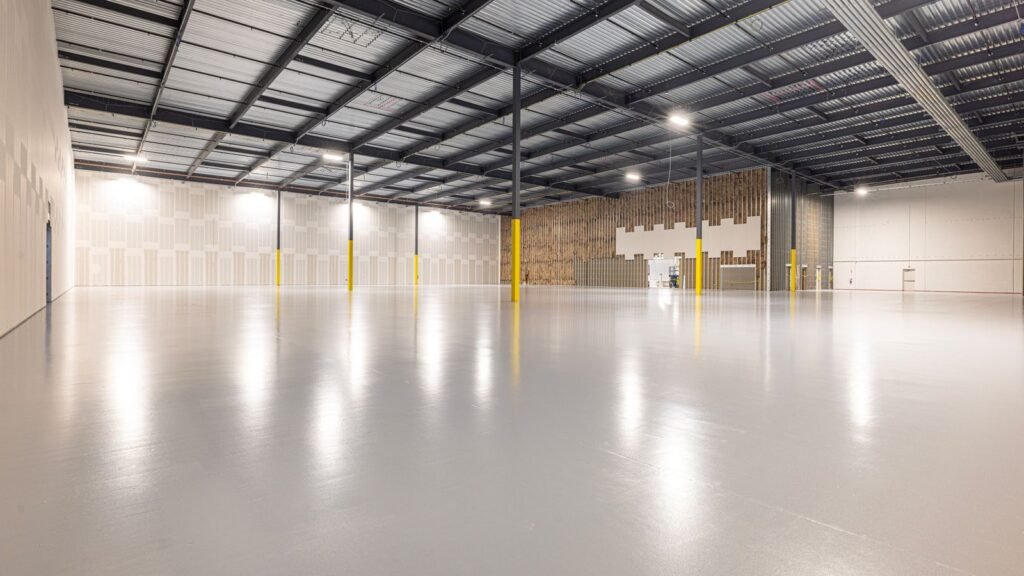
Industrial cleaning in Manchester is usually arranged through a contract, and the contract is where most problems start or are prevented. A factory, warehouse or production site has areas that need very different treatment. If the written scope is vague, the cleaning team and the site team will each assume the other is covering the difficult parts.
This guide explains what an industrial cleaning contract should set out: the areas in scope, how production zones are handled, high-level work, floors, welfare facilities, out-of-hours working, exclusions and how the work is signed off. It is written for operations managers and facilities teams putting a contract together or reviewing one they already have.
Why the written scope matters
An industrial site changes through the year. Production lines move, storage expands, shifts change and new equipment arrives. A contract written once and never revisited quickly stops matching the site. The scope document is the reference both sides return to when something is missed or a new area appears.
Write the scope in terms the site uses. Name areas the way staff name them, such as “goods in”, “line 2” or “the mezzanine”. A scope that uses the site’s own language is easier to check and harder to misread.
Attach a simple site plan if one exists. Marking the cleaning areas on a plan removes many arguments about where one area ends and another begins. It also helps a new cleaner find their way on the first shift.
Production areas
Production areas need the most careful definition. List which areas are included, what is cleaned in each and what is excluded. Floors, walkways, bins and surfaces around machinery are common inclusions. The machinery itself is often excluded, or cleaned only by trained site staff, because of the risks involved.
Set out how cleaning works around running equipment. Some tasks can only happen when a line is stopped. Others can be done safely while production continues, away from moving parts. The contract should say which is which, and who decides when an area is safe to clean.
Refer to the site’s own procedures. Most industrial sites have their own rules for isolating machinery, working near vehicles and entering restricted zones. The contract should state that the cleaning team follows those procedures and receives an induction before starting.
High-level cleaning
Dust settles on beams, light fittings, ducting, racking tops and pipework. Over time it builds up, can fall onto products or work areas and can make a site look neglected. High-level cleaning is usually periodic rather than daily, so the contract should state how often it happens and which areas are covered.
Agree the access method. Work at height needs planning, the right equipment and trained people. The contract should say who provides access equipment, how the work is planned and whether areas below need to be closed while it takes place.
Schedule high-level work around the site. It is often easiest during shutdowns, at weekends or during quieter shifts. Planning it in advance avoids clashes with deliveries, production peaks and other contractors.
Floors and walkways
Industrial floors take heavy wear from forklifts, pallet trucks and foot traffic. They can collect dust, oil, packaging debris and spillages. The contract should set out the regular floor routine, such as sweeping, scrubbing or machine cleaning, and how often each area is done.
Separate routine floor care from periodic deep cleaning. Coated floors, painted walkways and marked lanes may need specific methods to avoid damage. Ask the contractor to state the method and products for each floor type in the scope.
Make spill response clear. A cleaning team on site may be asked to deal with spills, but some substances need specialist handling and the site’s own procedures. The contract should say which spills the cleaners handle and which must be reported to the site team. Our warehouse cleaning in Manchester covers how floor routines are usually set up.
Welfare facilities and offices
Welfare areas are where staff notice cleaning most. Toilets, washrooms, canteens, kitchens and changing rooms need regular, consistent attention. The contract should list these areas, the tasks in each and the frequency, which is often more than once a day on a busy site.
Include consumables if the contractor supplies them. Soap, paper towels and toilet roll running out on a shift is a common complaint. State who checks stock and who reorders.
Site offices, meeting rooms and reception areas are often part of the same contract. They need a lighter routine than production areas but a higher standard of appearance. Listing them separately avoids them being treated as an afterthought.
Out-of-hours and shift working
Many industrial sites run long hours or around the clock. Cleaning may happen between shifts, overnight or at weekends. The contract should state the cleaning times for each area and how the team fits around production.
Agree arrangements for working when the site is quiet. Out-of-hours cleaners may be working alone or in small numbers. The contract should cover how they sign in, who they contact in an emergency and how lone working is managed.
Plan for shutdowns. Planned shutdowns are the best time for deep cleaning of production areas and high-level work. Include them in the contract calendar so the work is booked well ahead rather than arranged at short notice.
Health, safety and training
Cleaning on an industrial site carries real risks. The Health and Safety Executive’s cleaning industry guidance lists slips and trips, skin problems, back pain and work at height among the common risks for cleaners. On an industrial site, vehicles, machinery and stronger products add to these.
The contract should require risk assessments and method statements for the work, and training for the cleaning team in the site’s rules. Ask how chemical products are chosen, stored and used, and make sure safety information is available on site.
Agree how incidents and near misses are reported. A clear reporting route helps the site and the contractor improve how the work is done.
Exclusions and extras
Every good contract states what is not included. Machinery cleaning, specialist decontamination, waste removal beyond normal bins, external yard cleaning and window cleaning at height are often excluded or priced separately. Writing them down avoids disputes later.
Agree how extra work is requested and approved. A one-off clean after a delivery spill or before an audit is common on industrial sites. A simple request and approval process keeps extra work from creating confusion over the regular scope.
Staffing, cover and continuity
Industrial cleaning works best with a stable team that knows the site. A cleaner who understands where vehicles move, which areas are restricted and how each floor should be treated works faster and more safely than someone new to the building. The contract should say how many people are expected on each shift and whether there is a named supervisor.
Agree how absence is covered. Holidays, sickness and staff changes happen. Ask how replacement cleaners are found, how quickly, and how they are inducted before they start work. A replacement who has not had the site induction should not be sent into production areas.
Ask how the contractor keeps the site’s knowledge when team members change. A written site guide, kept with the cleaning supplies and updated when the site changes, helps new cleaners pick up the routine without relying on memory. It also gives the site team something to check against.
Audits, customer visits and inspections
Industrial sites are often visited by customers, auditors or inspectors. Food production, logistics and manufacturing sites may face hygiene or quality audits. Cleaning standards are part of what visitors notice, so the contract should cover how the site is prepared for these occasions.
Agree how much notice the contractor needs for a pre-audit clean. Some sites keep a short list of areas to bring up to standard before any visit, such as entrances, welfare areas and the walkways visitors use. Writing that list into the contract saves time when a visit is announced at short notice.
Keep records that support an audit. Cleaning schedules, signed checklists and notes of periodic work show that cleaning is planned and carried out, not left to chance. Ask the contractor to keep these records in a form the site can show if asked.
Checking and signing off the work
Decide how the cleaning will be checked. Regular walk-rounds with a site contact, checklists signed after each shift or a periodic audit are common approaches. The method matters less than doing it consistently.
Set a review point. After the first month, and then at regular intervals, compare the scope with what the site actually needs. Add new areas, remove ones that have changed use and adjust frequencies. A contract that is reviewed stays useful. See our commercial cleaning in Manchester for how we review contracts with clients.
Questions about industrial cleaning contracts
Is machinery cleaning part of the contract?
Often not. Machinery cleaning is usually done by trained site staff or a specialist. The contract should say clearly whether it is included.
How often should high-level cleaning happen?
It depends on the site and how quickly dust builds up. Many sites schedule it periodically, often during shutdowns.
Who handles spills?
The contract should list which spills the cleaners deal with and which must be reported to the site team because they need specialist handling.
Can cleaning happen while production runs?
Some tasks can, away from moving equipment. Others need a line stopped. The contract should say which is which.
How often should the contract be reviewed?
After the first month, then at regular intervals or whenever the site changes significantly.
Set out your industrial cleaning scope
List your areas, your shift patterns, your planned shutdowns and anything the cleaning team must not touch. With that information, a contract can be written around how your site actually works. Send us your site details and we will help you set out the scope.

Want this done properly at your property?
Tell us the building and the problem. We quote from a written specification, and contracts start with a three-month trial rather than a long tie-in.