After Builders Cleaning in Eccles and Pendleton
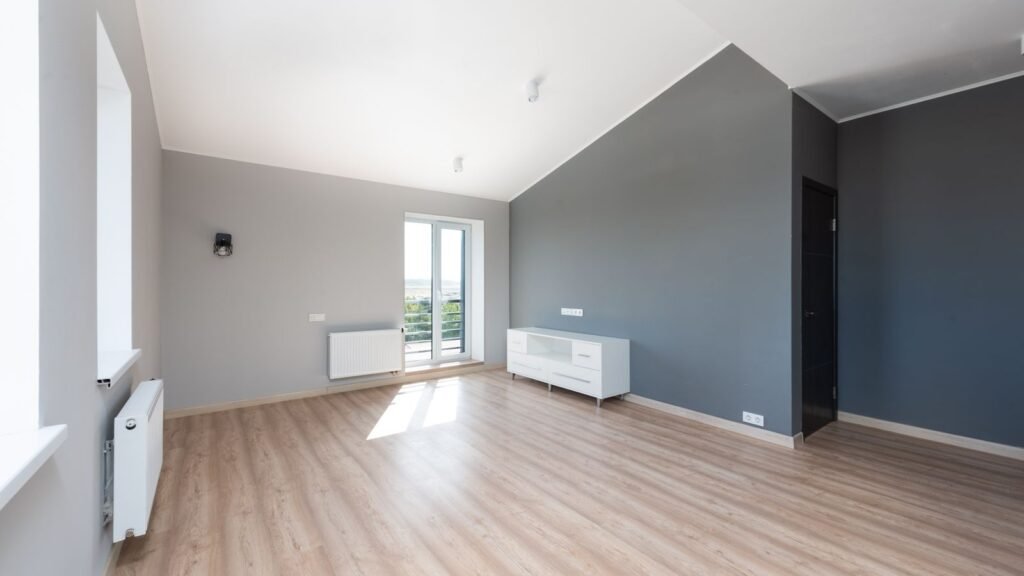
When the builders finish, the work in a home is not quite over. Plaster dust, paint splashes, sawdust and packaging are still everywhere, and the place cannot be lived in until they are gone. After builders cleaning in Eccles and Pendleton usually means a methodical, room-by-room clean that takes a property from a site back to a home or a flat ready for handover.
This guide explains what the work involves, how it is normally ordered, what to sort out before cleaners arrive and what to check at the end. It is written for homeowners, landlords, developers and project managers around Eccles, Pendleton and the wider Salford area.
What after builders cleaning is
An ordinary clean deals with everyday dirt. A post-building clean deals with fine dust and residue left by trades: plasterers, joiners, electricians, decorators and floor fitters. The dust is finer than household dust, it settles on every surface and it drifts into places an ordinary cloth never reaches.
The job is therefore done in stages, from the top of each room to the bottom, and from the room furthest from the door to the one nearest. Working in that order stops dust being carried onto surfaces that have already been cleaned.
It is also different from a builder’s own tidy-up. Tradespeople normally remove their waste and sweep the main rooms before they leave. That is not the same as a detailed clean, and most contracts treat the two as separate jobs.
Why the dust needs proper care
Building dust is not harmless. The Health and Safety Executive explains on its dust guidance page that breathing in dust at work can damage the lungs and that some dusts from building work carry serious risks. People doing the cleaning need to be protected, and a home should not be occupied while the air is still thick with dust.
For a householder, the practical point is simple. Do not let children or anyone with breathing problems move into rooms before the clean is finished. Keep windows open where possible and avoid dry sweeping, which throws fine dust back into the air.
The order of work in a typical clean
A thorough job follows a set order. Each stage prepares the way for the next, so nothing is cleaned twice.
Removing loose debris first
Larger items go first: offcuts, packaging, tape, dust sheets and fixings. Leaving these until later means they get in the way and scratch new floors. If the builders have not removed their waste, make sure that is agreed separately, because many cleaning teams do not take away building rubble.
High surfaces and fittings
Next come the highest places. Tops of door frames, light fittings, shelves, window ledges, radiators and skirting boards all collect dust. These are wiped or vacuumed before the floor, so anything that falls ends up on the surface still to be cleaned.
Windows, frames and glass
Glass often carries paint splashes, plaster marks, sealant smears and sticky labels. These need careful handling. Scraping the wrong way can scratch the glass, so cleaners use suitable tools and avoid harsh products on frames. Window frames and sills are wiped down after the glass.
Kitchens and bathrooms
New kitchens and bathrooms need particular care. Cupboard interiors, drawers, worktops, hobs, sinks, taps, tiles and shower screens all pick up dust and grout haze. Protective films on appliances are usually peeled off only at the end, when it is safe to do so.
Floors last
Floors come at the end because everything above has dropped onto them. Hard floors are vacuumed and then damp mopped. Carpets are vacuumed more than once, and heavy dust may need a second pass. Newly laid flooring may have manufacturer instructions about moisture and products, which should be followed.
Houses in Eccles and flats in Pendleton
The property type changes how the work is planned. A terraced or semi-detached house in Eccles may have several floors, a loft conversion, an extension or a new kitchen. Dust travels up the stairs and settles in bedrooms, so the whole house is usually included, not only the rooms that were worked on.
New-build and converted flats around Pendleton raise different issues. Access can involve lifts, shared corridors and parking restrictions, and some blocks have rules on when contractors may work. Common areas used by builders, such as stairwells and entrance lobbies, may also need attention before residents are happy with handover.
For developers working with a number of units, cleaning is often arranged flat by flat on a schedule that follows the finish of each trade. Agreeing that schedule early avoids cleaners arriving before a plasterer or decorator has finished and having to come back.
What to sort out before cleaners arrive
A little preparation saves time and money, and it makes sure the clean is judged fairly.
- Confirm that all trades have finished. Cleaning before the last job means dust returns.
- Remove builders’ waste, tools and materials, or tell the cleaning team what is staying.
- Make sure water, electricity and lighting are connected so the team can work properly.
- Provide access arrangements, including keys, parking and building rules.
- List any surfaces that are delicate, such as natural stone, specialist paint or new timber.
- Agree the number of rooms, floors and the approximate size, so the work can be planned.
Photographs of the property before the clean help everyone agree on the starting point, and a short written list of the rooms and tasks avoids disagreement later.
What the team should bring
Post-builders work is not done with a bucket and a cloth. A good team brings vacuums that cope with fine dust, microfibre cloths, suitable scrapers, a range of products for different surfaces and protective equipment of its own. Ask how dust is contained and how the team protects itself, because that tells you a lot about how careful the work will be.
You should not need to supply anything beyond access, power and water. If the plan relies on your own equipment, ask why.
How long it takes
The time depends on the size of the property, the amount of dust and the standard of finish expected. A small flat after a light refit is very different from a house after an extension and new floors. Heavy dust, paint splashes and plaster residue add hours, and so does a second visit to deal with dust that settles after the first pass.
A realistic plan allows for the clean to be done in stages. Sometimes a first clean removes the bulk of the dust and a short follow-up deals with what has settled. This is especially sensible where the property is being handed over to a buyer, tenant or inspector.
Common mistakes to avoid
Several habits make the job harder or leave a worse result.
- Cleaning while trades are still working, which means doing it again.
- Dry sweeping fine dust, which spreads it through the air and onto clean surfaces.
- Using abrasive products on new surfaces such as glass, taps and worktops.
- Taking protective film off appliances and glass too early.
- Skipping inside cupboards, drawers and window tracks, where dust collects.
- Leaving the final check until after the cleaners have gone.
Checking the finished job
Walk through the property with the cleaning team, or with a supervisor, at the end. Check in daylight if possible, because dust and smears show up much better than under artificial lights. Run a finger along a ledge and the top of a door frame, look across floors at an angle and open a few cupboards and drawers.
Look closely at the places that are easy to miss: radiators, extractor grilles, window tracks, light switches, sockets and the edges of floors. Note anything that needs another look and agree how it will be put right.
If you are handing over to someone else, keep a record of the condition at the end. Photographs with the date are useful if a question comes up later.
Cost and how quotes are worked out
Prices depend on the size of the property, the level of dust and the tasks included, so a reliable quote comes from a description or a visit, not a general figure. Be wary of a price that seems too low for a large job, as it may leave out interior cupboards, windows or a second pass.
Ask what the quote includes, whether a return visit is part of it and whether there are extra charges for stairs, parking or work at height. Describing the work plainly in writing keeps both sides clear.
Working with a local team
A local team knows how access works around Salford, including parking restrictions, flat blocks and the older terraced streets around Eccles. You can read more about our work in the area on the page for cleaning in Salford and see how we handle these jobs across the region on our after builders cleaning in Manchester page.
Questions about after builders cleaning
Do I need a clean after small building work?
Often yes. Even a small job such as a new kitchen or a re-skim leaves fine dust through the property, and an ordinary clean may not remove it all.
Can the builders clean up themselves?
They normally remove waste and sweep. A detailed clean of every surface is a separate task and is usually done by a cleaning team.
Should the clean be done before or after decorating?
After. Cleaning before the painters and decorators have finished means dust and marks come back.
How many visits will it need?
One is often enough, but where there is heavy dust a second short visit deals with what settles after the first pass.
Is it safe to move in straight after building work?
Wait until the dust has been cleaned and the air has had time to clear, especially where children or people with breathing problems live.
Get your property ready for handover
Tell us the property type, the number of floors and rooms, the trades that have worked there and your handover date. With that, a clean can be planned room by room around your schedule. Send us your details and we will talk through what your property needs.
Want this done properly at your property?
Tell us the building and the problem. We quote from a written specification, and contracts start with a three-month trial rather than a long tie-in.