After Builders Cleaning in Wythenshawe and Gorton
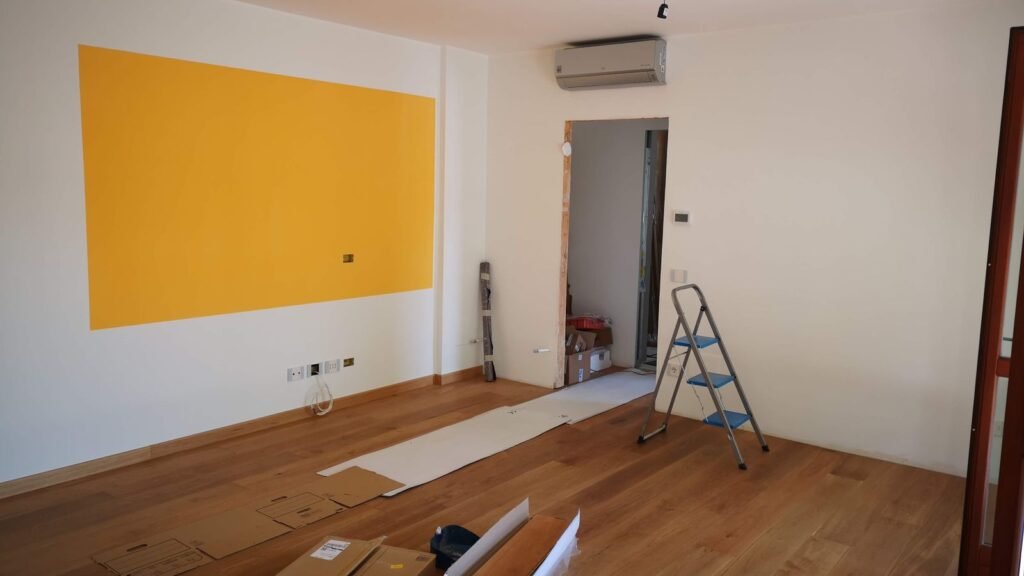
After builders cleaning in Wythenshawe or Gorton should be booked around the actual completion of the work, the condition of the property and the surfaces that need attention. A kitchen installation in an occupied home calls for a different plan from a whole-house refurbishment with no furniture inside. Start with the rooms affected and the builder’s remaining tasks before agreeing the cleaning date.
This guide helps householders plan a post-building clean after an extension, new kitchen or refurbishment. It explains what to include in the brief, how to protect new finishes and what to arrange before cleaners arrive. The cleaning scope stays separate from construction, repairs and certification of the building work.
Check what the builder has finished
Ask the builder which tasks are complete and which still need access. Sanding, cutting, decorating and fitting work can affect a room after it has been cleaned. If trades will return, decide whether the clean is intended to prepare an occupied area for use or provide the final presentation after completion. Those are different purposes and should not be confused in the booking.
Write down the rooms that can be made available. A finished kitchen may be accessible while an adjoining extension still contains tools and materials. The cleaner needs those boundaries before quoting. Avoid using the completion date of one part of the project as proof that the whole property is ready.
Agree who removes tools, surplus materials and larger construction debris. A household cleaning team should not discover on arrival that it is expected to relocate equipment or clear an active worksite. The builder and property owner should settle those tasks first, leaving the cleaner with the surfaces and areas included in the agreed method.
Describe how the home is being used
If the home is occupied, explain which rooms remain in daily use and where residents will be during the visit. Identify any furniture, belongings or pets that affect the route. The team needs a workable area, rather than an instruction to clean around whatever happens to be present.
For a Wythenshawe home with an extension project, the brief might distinguish the new room, its access route and the existing kitchen or living space. For a Gorton refurbishment, it might identify several rooms at different stages of completion. These are examples of how to describe the work, not assumptions about your property or local building practices.
In an empty property, explain when furniture or appliances will arrive. Cleaning before a delivery can leave different surfaces accessible from cleaning after it. If a delivery or installer overlaps with the proposed visit, decide who has access first. A clear sequence prevents the cleaner working across a space that another contractor is using.
Make dust handling part of the scope
Tell the cleaning contractor what work has taken place and what information the builder can supply about the remaining material. Dust from building activity should not be treated as an unidentified nuisance to sweep away by any available method. Where a material or condition is uncertain, resolve the handling requirements before agreeing routine cleaning.
The HSE’s construction guidance identifies dust, chemicals and other health risks alongside hazards such as electricity and work at height. For cleaning, the practical implication is to agree the working conditions and appropriate method with the people responsible for the site. A cleaning visit does not replace the builder’s safety arrangements.
Ask which dust-removal method is proposed for the accessible surfaces. Equipment and technique should match the assessed material and the finish being cleaned. Do not ask a cleaner to blow debris into another room or improvise a method around operating tools. If the conditions differ from the agreed brief, the team should refer the change to the named contact.
Agree a kitchen cleaning boundary
After a kitchen installation, specify whether the clean covers cupboard interiors, doors, worktops, splashbacks, accessible appliance exteriors and the floor. Explain whether cupboards are empty and who removes packaging. A kitchen described as newly fitted may still contain installation materials that prevent the agreed surfaces being reached.
Provide the care instructions for worktops, cabinet finishes and appliances. New surfaces may have particular requirements that differ from the products used elsewhere in the home. The cleaner should follow those instructions and confirm suitability before applying a product. Do not assume a strong cleaner is appropriate simply because construction has left a visible mark.
Appliance installation, testing and repair remain separate tasks. The cleaner should not disconnect a fitted appliance or open unfamiliar equipment to reach dust. If a surface cannot be accessed without moving or dismantling something, arrange the appropriate person first or record it as an exclusion.
Protect floors and other new finishes
Identify the flooring in each room and any recent finish, adhesive or coating. Ask the builder or supplier when the surface can be cleaned and what method is permitted. A floor that looks complete may still have instructions affecting its first clean. Share those details with the cleaning contractor before the visit.
Explain where temporary protection remains and who will remove it. Lifting protection can reveal debris or marks that were not visible during the quote. Decide how those conditions will be reviewed. Avoid assuming that every mark underneath can be removed by normal cleaning.
For glazing, paint or adhesive residue needs assessment rather than casual scraping. Confirm the surface information and proposed method before trying to remove it. If a mark appears to be damage to the finish, cleaning should not be sold as a repair. A realistic scope distinguishes removal of soiling from a separate surface-restoration decision.
Include the routes between rooms
Dust and debris can appear beyond the room where the work took place. Inspect the entrance, corridors and stairs used during the project. List the areas you want included instead of assuming the cleaner will extend the job wherever a mark is found. A room plan or a short walk-through makes the extent easier to agree.
Identify any surfaces that remain out of reach, behind fixed furniture or within restricted parts of the project. High-level areas may need a separate access method. Do not ask the team to climb on household furniture or building materials to reach them. The quote should record the access requirement and whether it is included.
Our residential after builders cleaning in Manchester can be discussed around those rooms and access routes. Provide the affected areas and the remaining work so the proposed cleaning scope reflects the property rather than a generic whole-house instruction.
Set access arrangements for the visit
Give the full property address, a named contact and the entry arrangement. For after builders cleaning in Wythenshawe, confirm where equipment can be unloaded and whether any part of the route remains a work area. For a Gorton property, provide the same details rather than assume the contractor can work out access from the postcode.
If the property is within a managed building, check any contractor rules, lift conditions and shared-area restrictions. If it is a house, explain the entrance and any limitations on moving equipment between rooms. These are property-specific details and should be confirmed against the actual premises.
Our Manchester cleaning service coverage page provides a starting point for checking service coverage. Attendance and the proposed cleaning date still need agreement. Avoid treating a listed area as a promise of availability at any time or for a scope that has not been assessed.
Inspect the clean with the agreed brief
At handover, compare the cleaned areas with the scope. Check accessible surfaces, floors and the routes included in the work. Record an area that was unavailable or a mark that remained after the agreed method. The record should distinguish an incomplete task from an excluded area or a condition requiring further assessment.
Use photographs where appropriate to identify a particular location. A useful image shows the condition and can be compared with the starting record. Avoid drawing a conclusion about every room from one close-up. Discuss the specific issue with the contractor while the scope and work are still clear.
If building work will continue, agree how that affects the final presentation. Another visit may be needed for a different purpose, but it should be scoped around the new condition. Do not ask the cleaner to guarantee that dust cannot reappear after trades return or stored material is moved.
Questions about after builders cleaning
Should I book before the builder leaves?
You can discuss the scope in advance, but confirm the cleaning date against the work that will actually be complete. Identify any return visits by trades and areas that will remain unavailable.
Does the clean include removing construction materials?
Only if the specific task is assessed and agreed. Tools, larger debris and surplus materials should have a named removal arrangement before routine surface cleaning begins.
Can cleaners fix scratches or damaged finishes?
Cleaning and repair are different tasks. A cleaner can report a mark and discuss what can be cleaned, but restoration or repair should be assessed separately.
Plan around the completed work
List the rooms, new finishes, remaining trades and access arrangements before booking. For a home in Wythenshawe or Gorton, send Exclusive Property Facilities the project and property details so the cleaning scope can be considered around what is finished and what you need ready for use.

Want this done properly at your property?
Tell us the building and the problem. We quote from a written specification, and contracts start with a three-month trial rather than a long tie-in.