After Refurbishment Cleaning for Bolton Offices and Shops
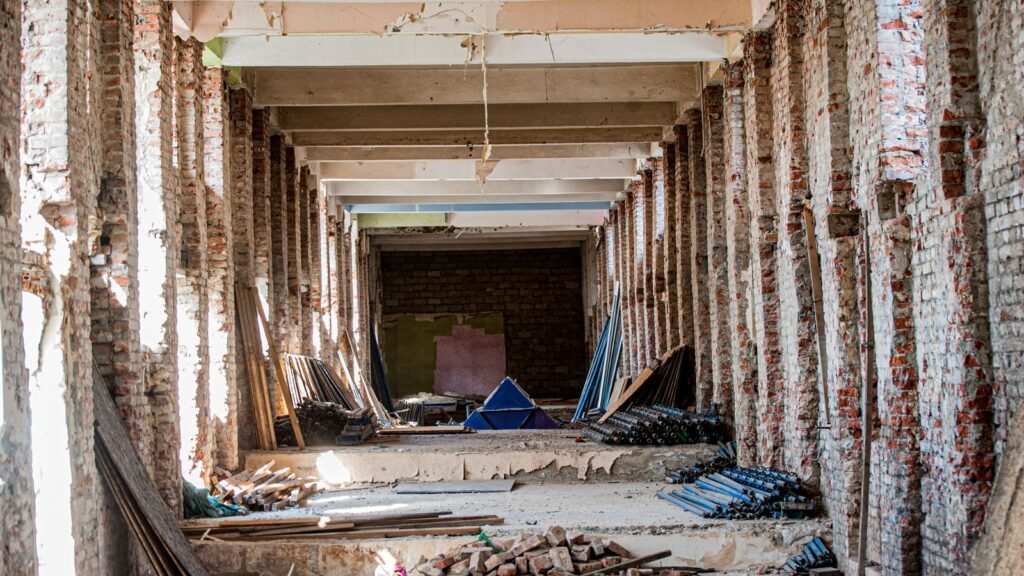
After refurbishment cleaning in Bolton should be arranged around the areas released by the building team and the surfaces installed. An office or shop may need dust and residue removed before staff, stock and customers return, but that does not mean the cleaning team can work through unfinished construction. Confirm the accepted room list and access conditions first.
This guide helps a Bolton business prepare a post-refurbishment cleaning scope. It covers floors, glazing, fixtures and handover checks, with a clear distinction between cleaning and technical completion. The final record should describe what was cleaned and which conditions still need another decision.
Identify the business areas affected by the work
List the refurbished rooms and the routes linking them. For an office, that might include reception, meeting space, workstations and welfare facilities. For a shop, identify the sales area, display fixtures, changing space, storage and staff areas where applicable.
State whether the work is confined to one zone or extends through the premises. A corridor used by trades may need assessment even if its fittings were not altered. Describe the actual condition rather than assume the new surfaces are the only places affected.
Our cleaning service coverage in Bolton can be discussed against that list. Supply the address, refurbished areas and intended access so the quote follows the premises rather than a general office or shop label.
Confirm that each area can be released
Identify the contractor or workplace contact authorising cleaning access. Ask which installations and other tasks are complete, and which trades will return. The cleaning provider should not infer readiness from a planned opening date.
Keep unfinished or controlled areas outside the accepted route until the responsible contact confirms the arrangement. If only one room is ready, describe that boundary explicitly. A staged clean should not produce a whole-premises completion record.
Provide a contact who can resolve changed conditions during attendance. An unexpected installation, stored material or another trade working in the zone can affect the original plan. The team needs a clear process for stopping and clarifying the affected task.
Agree waste clearance before the detailed clean
Identify who removes packaging, offcuts, tools and other materials left by the refurbishment. Clearing building waste differs from cleaning accessible surfaces after the work. Keep those responsibilities visible in the schedule.
Do not ask a cleaner to decide that an unknown container or retained component is waste. The responsible contractor should identify what is removed and what stays. Handling an uncertain material needs an appropriate assessment before it is accepted.
For example, if a shop’s new shelving is surrounded by stored installation parts, release the area after the trade has dealt with them. The cleaner can then assess the surfaces described in the quotation rather than sort the construction team’s possessions.
Describe the dust and the work that produced it
Tell the provider about cutting, sanding and other processes involved in the refurbishment. Provide information about materials and any known restrictions. An unidentified deposit should not be labelled ordinary household dust simply because it is resting on a counter.
The Health and Safety Executive’s dust guidance sets out general principles of protection and checking dust problems. The cleaning method should follow the assessed material and conditions, rather than an unqualified instruction to sweep everything away.
Keep an unresolved hazardous-material concern with the responsible contractor for identification and the appropriate response. Cleaning attendance should not be used to disturb uncertain material in order to make a room appear ready for occupation.
Supply care information for the new finishes
List the floor coverings, coated surfaces, joinery, glazing and fittings installed. Keep their manufacturer’s instructions available, including conditions applying after installation. A familiar-looking surface may still have a finish requiring a particular method.
Identify any earlier treatment and the products used. Residue, adhesive and damage should not be treated as interchangeable marks. The provider needs enough information to assess the accepted method before applying a chemical or abrasive tool.
Record existing chips, scratches or altered coatings before cleaning. Those can require another trade or supplier’s advice. A cleaning quotation should not promise repair or restoration of every visible defect left after refurbishment.
Clean office surfaces against a defined list
Identify accessible desk surfaces, partitions, storage, doors and other included fixtures. Clarify whether equipment and personal papers have been removed. A quote for cleared workstations should not silently include sorting staff possessions.
Provide the permitted cleaning instructions for shared equipment if its surfaces are included. Do not assume that a product used on a desk is suitable for a screen, keyboard or electrical component. Technical equipment work should remain separate.
Keep newly fitted cabinets and internal storage in the request only where access and care arrangements permit. Empty interiors and cupboards containing office stock are different preparation conditions. The task list should show what the cleaner can actually reach.
Prepare shop displays and stock areas
List the accessible display faces, shelves, counters and other fixtures accepted for cleaning. Identify delicate finishes and any components still awaiting installation. A retail reopening deadline does not establish that every fixture can be handled.
Agree who removes or protects stock and how it is kept out of the working zone. Sorting merchandise, changing displays and moving heavy units should not be assumed part of an ordinary surface clean. The workplace contact should prepare the agreed area.
If new stock arrives after a section is cleaned, consider how the route and final condition change. Keep the delivery arrangement coordinated with the cleaning sequence so a completion record does not describe surfaces that have since been worked over.
Define the glazing and frame work
Identify the glass faces, frames, sills and tracks included, together with their care information. Tell the provider about protective film, paint or adhesive needing assessment. A general glass-clean request should not imply that every residue has a universally safe removal method.
Agree who authorises film or label removal and which coverings remain. Do not remove protection casually from a surface still awaiting another trade. The installer should resolve an uncertain instruction before the cleaner acts.
For high or external access, specify the assessment and accepted arrangement. A nearby chair or fixture should not become an improvised access platform. Keep inaccessible areas visible as exclusions or separate tasks.
Choose the floor method for the actual covering
Describe carpet, resilient flooring, tiles or other finishes in each zone. Supply care information and installation restrictions where relevant. A single process should not be assumed suitable throughout an office-and-shop premises with different materials.
Tell the contractor about furniture, stock and fixed equipment remaining in position. Cleaning accessible floor space differs from moving those items. Any accepted movement needs its own assessed method and responsibility.
Plan the route around the selected method’s finish conditions. Keep people away while a surface or working zone requires restricted access, and confirm when the area becomes usable again. The final appearance is only part of the handover.
Include kitchens, washrooms and staff facilities
List the sanitary fittings, accessible surfaces and floors included in the welfare areas. Clarify cupboard interiors, appliance surfaces and any supplied stock. A room label should not conceal differences in what is cleaned or replenished.
Keep technical commissioning, repairs and equipment servicing with the appropriate provider. A cleaned basin or appliance exterior does not prove that plumbing or electrical work is complete. Record a fault or unresolved condition separately.
The wider after-builders cleaning information can help frame the surface-cleaning request. The Bolton workplace still needs its specific area list, preparation and return-to-use arrangement.
Coordinate final trade visits with reopening
Ask whether snagging, deliveries or another inspection will happen after the accepted clean. Later work can leave new dust or marks. The completion record should reflect the condition checked, rather than automatically cover everything that happens afterwards.
Where another clean is needed, agree the affected zones and tasks. Do not assume repeated whole-premises attendance is included without a confirmed scope. Identify the person approving a change and keep the current request available.
Reopening decisions remain with the business and the relevant responsible people. A cleaning record should not be represented as technical acceptance of the refurbishment or a certificate that all building concerns are resolved.
Make the handover useful to the business
Check the included areas against the accepted task list and record exclusions or remaining conditions. A locked room or protected surface should appear as an exception. A broad tick for the premises should not imply access to every concealed part.
Where photographs are agreed, identify the location and the condition shown. They support the cleaning record without proving the performance of equipment or the condition of inaccessible surfaces. Refer technical concerns through the established project contact.
Questions about Bolton refurbishment cleaning
Can the cleaner work while trades are still present?
Only under the assessed and accepted site arrangement. Confirm which zones are released and how activities are coordinated.
Will the quotation include stock movement?
Do not assume it. Identify preparation and any separately accepted handling task before attendance.
Does a cleaned room mean the refurbishment is signed off?
The cleaning record describes accepted tasks. Technical completion and reopening decisions remain separate.
Book against the released workplace areas
Gather the refurbished-zone list, material instructions, remaining-work schedule and access information. Discuss your Bolton office or shop’s after refurbishment cleaning requirements with Exclusive Property Facilities so the accepted scope and handover are clear.

Want this done properly at your property?
Tell us the building and the problem. We quote from a written specification, and contracts start with a three-month trial rather than a long tie-in.