Oven Cleaning in Manchester Flats, From Piccadilly to Pendleton
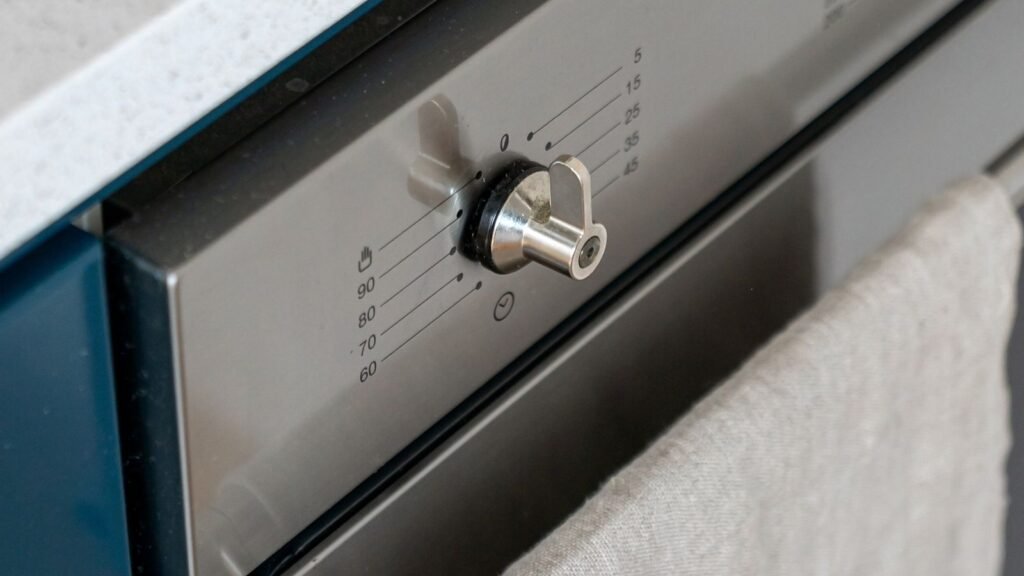
Oven cleaning in a Piccadilly flat or a Pendleton apartment should be planned around the appliance, kitchen space and building access. Give the provider the model information, condition and route to the kitchen before agreeing the visit. A compact room or managed entrance can change the practical arrangement even when the oven itself looks familiar.
This guide explains what to prepare when requesting oven cleaning in Manchester flats. It covers access, permitted methods, ventilation and bookings around an occupied tenancy or a move-out. The cleaning scope should distinguish the oven from a hob, extractor and any repair or technical work.
Identify the appliance rather than only its size
Provide the make, model and available care instructions. Tell the cleaner whether it is a built-in oven, a freestanding appliance or part of another cooking unit. A photograph can help describe it, but should not replace the information needed to select the permitted method.
Explain the areas of concern and earlier treatments. General soiling, a particular residue and damaged enamel are different observations. The provider should know about an unknown product or a previously attempted treatment before another method is considered.
Our oven cleaning in Manchester service can be discussed against those details. Keep the enquiry specific to the appliance and accepted surfaces, rather than assume a standard oven-clean description includes every component.
Clarify the racks, door and other included parts
List the removable racks, trays or other components you want assessed. Removable does not automatically mean suitable for every chemical or process. The method should follow the appliance and component instructions.
Ask whether the accepted scope includes accessible door glass, seals and external controls. Do not assume a cleaner will dismantle an unfamiliar door to reach an internal panel. Any handling arrangement needs to be appropriate to that model and agreed beforehand.
Keep accessories and parts matched to the appliance. A provider should not be expected to identify loose items collected from several ovens or repair a damaged rack during a cleaning appointment. Explain missing care information rather than guess at a treatment.
Describe the kitchen’s usable working space
Tell the contractor where the oven door opens and what space is available around it. A narrow kitchen may need preparation so the accepted task can be carried out without blocking the only route. Identify any furniture or personal items that will remain in place.
Clear the agreed surfaces and remove possessions under the preparation arrangement. A cleaning quote should not silently include sorting cupboards, moving fragile objects or deciding what belongs to an occupier. Those are separate responsibilities.
Do not ask the cleaner to pull a built-in appliance out to create access unless an appropriate separately agreed arrangement exists. Moving or disconnecting equipment can affect services and fixings. The cleaning scope should show which surfaces are accessible without that work.
Provide the managed-building access details
Identify the authorised entry route and the person who grants access. Tell the provider about a concierge, an entry booking or another building process where it applies. Do not assume a visitor can enter merely because a resident has supplied the address.
Explain stairs, lifts and any relevant restrictions on bringing equipment into the building. Identify where permitted unloading is possible and how the team reaches the flat. The quotation should reflect the route actually available.
Keep common corridors and required routes clear under the building arrangement. Equipment and bags should not be left outside the flat as an improvised storage solution. A small kitchen does not transfer the work area into a shared escape route.
Plan product use for the task and room
The Health and Safety Executive’s COSHH guidance explains assessing and controlling risks from hazardous substances at work. Its cleaning guidance also addresses safe product handling. The contractor’s method and controls should reflect the accepted task, the product information and the conditions in the flat.
Follow the relevant appliance and cleaning-product instructions, including ventilation and other precautions where required. A stronger concentration or longer application should not be invented because the oven looks heavily soiled. Do not mix products to make an improvised cleaner.
Tell the provider which products have already been used and whether anything remains on the surfaces. Keep labels available. An unidentified treatment needs clarification before another substance is added, rather than being treated as part of a normal preparation step.
Discuss ventilation before the appointment
Explain the room’s actual ventilation arrangements and any building restrictions relevant to the work. The provider should consider whether the proposed method and conditions are suitable before attendance. A small kitchen should not be assumed to suit every process.
Do not use a general instruction to open a window as a substitute for the task’s assessed controls. Follow the selected product and method requirements. If the necessary conditions cannot be provided, resolve the arrangement with the contractor before proceeding.
Keep other people and pets away from the working area where the method requires it. Agree how the kitchen is made available and returned to use. The occupier should know the practical conditions rather than discover them after the work starts.
Separate the oven from hob and extractor work
A request for an oven clean should list a hob or extractor separately if those are also required. Identify their materials and care information. The accepted method for an oven surface should not be assumed appropriate for another appliance.
Clarify which accessible extractor surfaces or removable parts are included. Cleaning an exterior or an approved component does not mean servicing a fan, opening a ventilation system or testing its performance. Keep technical work with the appropriate responsible provider.
Use the wider residential cleaning service information to describe any additional kitchen request. Maintain separate item and task lists so the quotation shows what is accepted beyond the oven itself.
Book around an occupied flat sensibly
Tell the contractor whether the flat remains occupied and which kitchen facilities are needed during the visit. Agree the accessible area and preparation so the team can carry out its accepted task without moving personal possessions unexpectedly.
Provide a contact for questions and any change in condition. The person present should know the agreed scope and have authority to approve a revision where appropriate. A cleaner should not receive conflicting instructions from several occupiers.
Keep the appointment and return-to-use conditions together. Do not assume cooking can resume immediately because the team has finished its surface work. Follow the appliance and selected method’s finishing instructions.
Coordinate a move-out booking with keys
For a tenancy handover, explain when the property becomes accessible and how entry is authorised. Confirm whether possessions are removed and which appliances remain. A key-return date does not itself define the cleaning scope.
Book against the accepted access window and inspection arrangement. If the flat is still occupied or another trade is returning, tell the provider before treating the original quotation as covering changed conditions. Agree any further task or attendance explicitly.
A cleaning receipt should identify the service completed, not promise the tenancy outcome. Keep it with the accepted specification and photographs where those are agreed. Deposit and other tenancy decisions remain separate from the oven-cleaning task.
Keep appliance faults and repairs separate
Report a damaged seal, cracked glass, loose component or apparent fault before cleaning. The provider should distinguish the observed condition from removable soil. A cleaning appointment should not become an unagreed repair or electrical service.
Refer an equipment problem to the landlord, appliance owner or appropriate technical provider. Do not assume the cleaner can disconnect, reconnect or alter the unit because it is already attending the property. Identify the boundary in the request.
Record any concern encountered during the visit and the area affected. The accepted cleaning work should proceed only where the relevant conditions permit it. A clear exception is more useful than a broad completion statement that overlooks the fault.
Check the finish against the accepted surfaces
Review the oven and included components against the agreed list. Note an inaccessible part, remaining condition or excluded task. An oven-clean label should not imply every concealed surface was reached or every mark removed.
Confirm that the selected method’s removal and finish stages are complete. The occupier should understand any conditions applying before use. A visually tidy appliance should not be handed back with an unexplained unfinished step.
If a concern is raised afterwards, identify the particular surface and agreed task. Discuss whether it is missed cleaning, another treatment needing assessment or existing wear or damage. Those require different responses.
Questions about oven cleaning in Manchester flats
Can a small kitchen change the cleaning arrangement?
Describe the space, access and ventilation before booking. The accepted method needs to fit the actual conditions.
Does an oven clean include the hob automatically?
List it separately and check the proposal. Different appliances may require different accepted tasks and methods.
Will the cleaner repair a damaged oven seal?
No repair should be assumed. Report the condition and arrange the appropriate separate response.
Request a quote for the flat and appliance
Gather the model information, included parts, condition history and building access details. Discuss your Piccadilly or Pendleton flat’s oven cleaning requirements with Exclusive Property Facilities so the agreed scope and handover are clear.

Want this done properly at your property?
Tell us the building and the problem. We quote from a written specification, and contracts start with a three-month trial rather than a long tie-in.