Carpet Cleaning for Estate and Letting Agents Between Tenancies
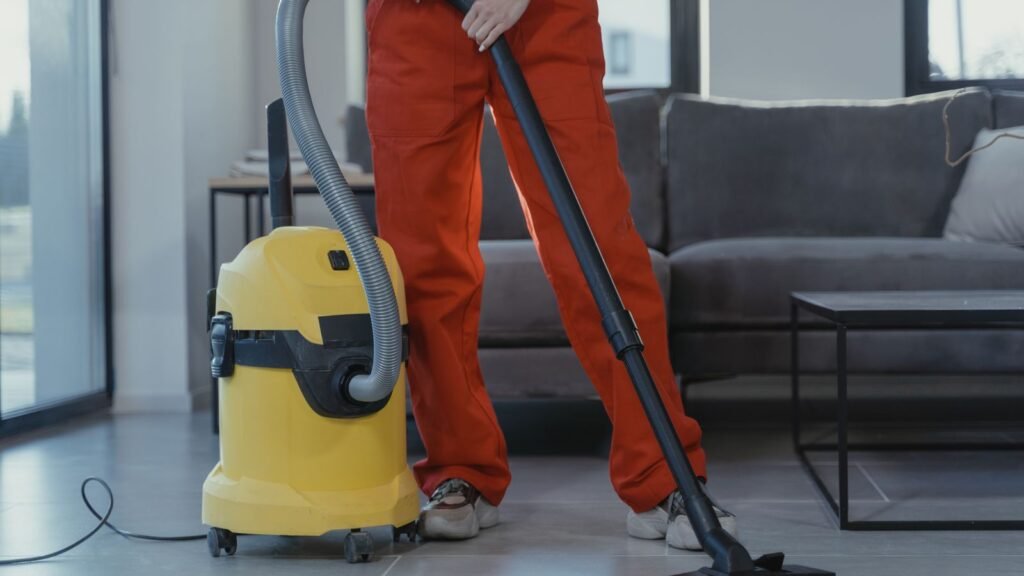
Letting agents rarely clean one carpet at a time. A lettings team has a rolling list of check-outs, inspections and new tenancies, and the carpets in each property have to be cleaned somewhere between the last tenant leaving and the next one moving in. Letting agents carpet cleaning, and estate agents carpet cleaning between tenancies, is therefore as much a scheduling job as a cleaning job. The agents who handle it well tend to have a standard sequence, a standard brief and a standard record for every property.
This guide is for the lettings team. It covers when to clean, how to leave enough drying time before the next tenant, how photographs and the check-out report support a deposit decision, and what a cleaning record per property should contain. It does not give legal advice. Your tenancy agreements and the deposit scheme you use should guide any decision about who pays.
Why carpets need their own place in the turnover plan
Carpets are usually the largest soft surface in a rented property, and they show the whole tenancy. At check-out the inventory clerk compares what is there with the check-in inventory report, so marks, odours and wear on a carpet are likely to be discussed. If the clean is arranged in a hurry, the result is a rushed job on a surface that takes time to dry and is easily marked by anyone who walks across it afterwards.
It helps to treat carpets as a separate line in the turnover checklist, with their own date, their own owner and their own record, instead of an extra in the general clean. The carpet date is also the one that decides when the property can safely be handed over, so it should be fixed first and the other tasks arranged around it.
Cleaning before or after check-out
There are two common patterns, and many portfolios use both depending on the property.
Cleaning before the check-out inspection means the carpet can be assessed in its cleaned condition. It works when the tenant is leaving the property empty and arranges the clean as part of their own move out, and when the agent asks for evidence of it afterwards. The weakness is that a carpet cleaned while furniture is still in place, or before the final move out, can be walked on, marked or left damp by the tenant’s own removal team.
Cleaning after check-out, with the property empty, gives the cleaner access to the whole floor, including the places furniture covered, and makes the carpet the last thing the property goes through before handover. It also shows the agent exactly what condition the carpet was in when the tenant left, which matters if some of the marks cannot be cleaned. The cost is a tighter gap before the next tenancy, so the date has to be fixed as soon as the check-out date is known.
Whichever pattern you use, tell the tenant at the start of the notice period what will happen and when, and book the cleaner against the check-out date rather than waiting for the inspection result.
Fitting the carpets into the wider clean
Where the property needs a full clean as well as the carpets, the sequence matters. Exclusive Property Facilities coordinates the two in a single visit where the scope allows, with the property clean first and the carpet extraction after, so the carpets are the last job before handover and nobody walks on fresh carpet during the rest of the clean. The end of tenancy cleaning options cover residential and commercial handovers, and end of tenancy carpet cleaning can be booked on its own when the rest of the property is already in good order.
Leaving enough drying time
A carpet that is still damp is not ready for a new tenant, a furniture delivery or a white goods installation. Drying time depends on ventilation, the thickness of the carpet, the weather and the method used, so the date you give the next tenant should include a margin and not just the time the cleaner finishes. In colder or damper weather, drying can take longer, so allow more margin than you would in summer.
Method matters too. The cleaner should check the fibre first and match the method, whether hot water extraction, a dry method or a low-moisture clean, to the carpet and the time available. Ask for a realistic dry-time estimate before the job and build it into the handover plan. Block the day for the carpets, and avoid booking deliveries, inventories or viewings in the property until the cleaner confirms the floors are ready to be walked on.
Photographs and the check-out report
The check-out report and the photographs are what turn an opinion about the carpet into evidence. Take dated photographs of each room at check-out, and mark clearly which marks look like removable soiling and which look like damage, wear or burns that cleaning is unlikely to fix. Keep that distinction in the report. A carpet cleaned to a good standard that still carries a permanent mark has been cleaned. It has not been repaired.
Ask the cleaner to record the condition before work begins. Exclusive Property Facilities notes the condition of each area of carpet before starting and photographs pre-existing damage that is beyond cleaning, which gives the agent a second set of dated records to set beside the check-out photographs. If a carpet is so damaged that a clean will not produce a satisfactory result, the cleaner should say so before starting, so that the landlord can decide what to do instead of paying for a clean that cannot deliver.
UKALA, the membership body for letting agents, has published an article on reducing end-of-tenancy disputes through preparation and workflow, although the full text is for members. The same principle applies to carpets. A consistent process is easier to explain to a landlord or a tenant than a one-off decision made on the day.
A cleaning record for every property
Treat the cleaning record as part of the property file. A useful record shows the address, the date of the clean, the rooms and stairs included, the method used and who carried it out, together with the condition notes and photographs. Exclusive Property Facilities provides a dated completion certificate after every end of tenancy carpet clean, recording the date, the scope and the method.
File the record with the check-out report so that both documents tell the same story, and keep one set per property. If a landlord later asks why a carpet charge was or was not made, the answer is already on file. If you manage a large number of tenancies, a simple log of property reference, check-out date, clean date and carpet status shows at a glance which properties are ready to let.
Briefing the cleaner across several properties
A short, consistent brief saves time on every job. For each property, send the following.
- The address, the access arrangements and how keys will be handled.
- The check-out date and the date the next tenant moves in, so the drying margin is clear.
- The rooms, stairs and landings with carpet, and any rooms that should be left out.
- Known stains, damage or pet problems, with the photographs from check-out.
- Whether the property will be empty, and who is responsible for moving any remaining furniture.
- Whether other cleaning is booked, so that the carpets are done last.
With a standing brief, a portfolio can group several properties in the same area into one day and keep the records consistent between them. It also makes it easier to compare what each job covered when a landlord asks questions later.
When a landlord’s carpet is beyond cleaning
Some carpets cannot be rescued. Heavy staining, burns, worn pile and lifted seams are condition problems and not cleaning problems. Tell the landlord early, with photographs, and give them a clear choice between cleaning for presentation and replacing the carpet. Exclusive Property Facilities describes a carpet supply and fitting service for carpets that are genuinely past saving, and its carpet cleaning service in Manchester covers the method checks that decide which answer the floor needs.
Whatever the outcome, record the decision and the reason. A landlord who was told in November that the carpet was worn through, with photographs, is in a far better position than one who is told after the new tenant has moved in.
Questions from lettings teams
Who pays for the carpet clean?
That depends on the tenancy agreement, the condition recorded at check-in and the rules of the deposit scheme in use. Your own compliance process should decide it. The cleaning record is evidence of what was done and the condition found, not a decision about who bears the cost.
How early should the clean be booked?
As soon as the check-out date is known. Booking against the check-out date gives you the widest choice of slot and leaves room for drying before the next tenancy begins.
Can several properties be cleaned on the same day?
Often, where the properties are close together and each has its own access arrangements and brief. Ask the contractor how it groups jobs and how it keeps a separate record for each address.
What if the tenant has already cleaned the carpets?
Check the condition against the check-in report and photograph it. A tenant’s clean may be perfectly adequate, or it may leave marks, odour or damp patches. Decide whether a further professional clean is needed on the evidence, not on the fact that a clean was attempted.
For a lettings team, the aim is a carpet process that runs the same way for every property: a fixed date, a written brief, enough drying time and a dated record on file. Build those four things into the turnover checklist and the carpets stop being the item that holds up a re-let.

Want this done properly at your property?
Tell us the building and the problem. We quote from a written specification, and contracts start with a three-month trial rather than a long tie-in.