How Long Does Carpet Take to Dry After Cleaning
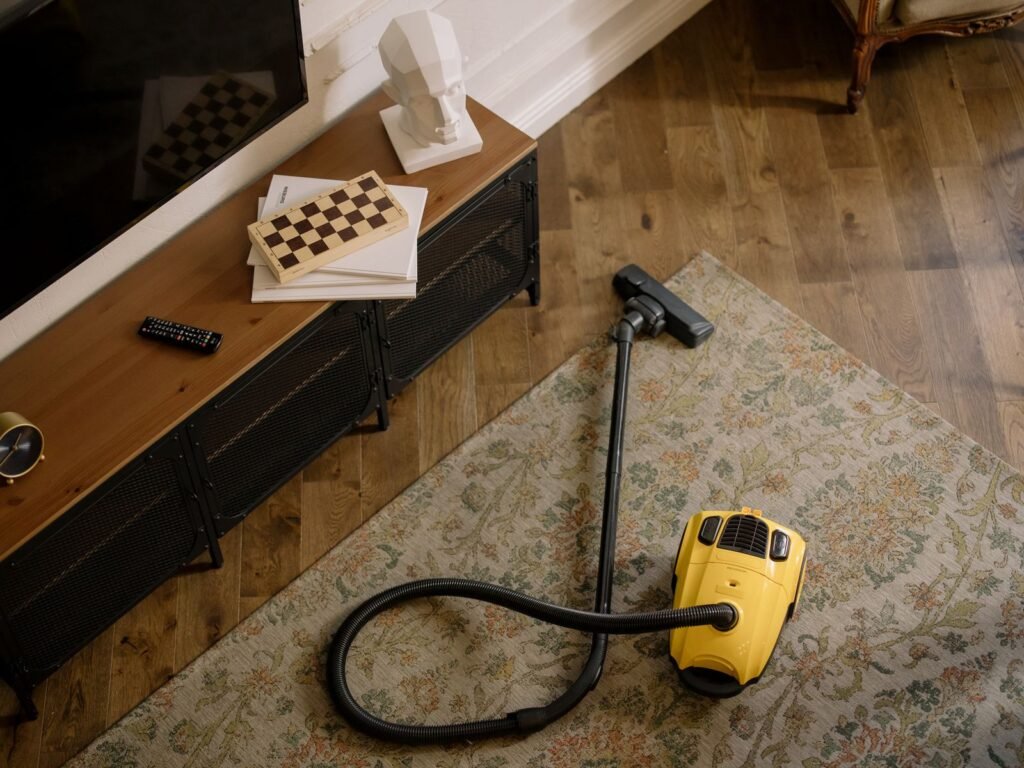
The short answer on carpet drying time
You have had the carpets cleaned and the rest of the day now hangs on one question, which is when you can walk on them, push the sofa back and let the children or the dog into the room. In most homes a professionally cleaned carpet is touch dry within two to four hours and fully dry within six to eight. A short pile synthetic carpet in a warm, well aired room can be ready in around ninety minutes. A dense wool carpet on thick underlay in a cold, closed up back room can still feel cool and slightly heavy after twelve hours.
Those are working ranges rather than fixed promises, because drying time is not really set by the cleaning itself. It is set by how much moisture went into the pile, how quickly the room can carry that moisture away, and what the weather is doing outside your window. Once you understand those three levers you can shorten the wait considerably, and you can avoid the mistakes that stretch a four hour job into a two day damp smell. When we quote for carpet cleaning in Manchester we always talk the drying window through on the phone, because a customer who plans around it gets a far better result than one who is surprised by it.
What actually controls how fast a carpet dries
Drying is evaporation, and evaporation needs three things. It needs warmth to give the water energy, it needs moving air to carry the vapour off the fibre surface, and it needs somewhere for that vapour to go. Remove any one of the three and the carpet stalls, no matter how good the extraction was.
How much water is left in the pile
The single biggest factor is how thoroughly the moisture was pulled back out at the end of the clean. Powerful extraction leaves the pile damp to the touch rather than wet, and a carpet in that state is already most of the way to dry. Weak suction, an overloaded machine or too many passes with too little recovery leaves water sitting down in the backing and the underlay, and water below the pile has to travel up through the fibre before it can evaporate at all. That is where the long drying times come from.
Room temperature and air movement
Warm air holds far more moisture than cold air, so a room at a comfortable living temperature dries a carpet much faster than a room left cold to save on heating. Air movement matters just as much. Still air sits on the carpet surface as a saturated layer and drying effectively stops. Even gentle circulation across the pile keeps replacing that layer with drier air and cuts the time down sharply.
Humidity, weather and the room itself
On a damp, still autumn day in the north west the outside air can already be close to saturated, which is why opening every window is not always the fastest answer. A basement flat, a north facing room with one small window, or a hallway with no outside wall will all dry slower than a bright front room. Thick underlay, heavy furniture left in place and long curtains resting on the pile all slow things down too.
Drying times room by room
Rooms in the same property rarely dry at the same rate, so it helps to think in zones rather than one figure for the whole house. Bedrooms tend to be the quickest, because the traffic is light, the soiling is lighter and the carpet needs less moisture to bring it back. Living rooms sit in the middle. Stairs, landings and hallways are usually the slowest, partly because they take the heaviest soiling and partly because they are often the least ventilated parts of a house.
Older terraced and semi detached properties around Manchester frequently have a single small landing window or none at all, and that stairwell can hold moisture for hours after the bedrooms are dry. If your stairs are part of the job, plan for them to be the last area back in use. In flats, where opening a window on to a shared walkway is not always practical, mechanical airflow does the work that natural ventilation would normally do. Our domestic carpet cleaning service is planned around this, and we sequence the rooms so the slowest drying areas are cleaned first and get the longest head start.
How to speed carpet drying up safely
You can usually halve the drying window with a few simple decisions in the first hour. The aim is warm, moving, replaceable air, and the order you do things in matters.
Ventilate, but ventilate intelligently
Open windows on opposite sides of the property to create a through draught rather than opening one window on its own. Leave internal doors open so the air has a path. If the weather outside is wet, foggy or very still, open the windows on a narrow gap instead of fully, and rely more on heating and fans. Trickle vents and extractor fans in nearby kitchens or bathrooms also help pull moist air out of the building rather than moving it into another room.
Use heating rather than heat
Steady background warmth beats a blast of high heat. Set the central heating to a normal comfortable level and leave it running rather than turning radiators up high for a short burst. Never place a fan heater directly on to a damp carpet and never use a naked flame heater in a closed room. High direct heat can shrink some natural fibres, set any residual soiling and, in a sealed room, simply raise the humidity until drying stops.
Move air across the pile
A pedestal fan or a box fan angled low across the carpet surface, not pointing straight down at it, is the most effective single thing most households can do. Ceiling fans help in larger rooms. If you have a dehumidifier, run it with the windows closed and the door shut, since a dehumidifier and an open window work against each other. In damp weather a closed room with a dehumidifier and a fan will beat an open window every time.
Do not undo the work
Keep foot traffic off the carpet while it dries, keep pets out, and resist the urge to lay towels or newspaper over damp patches, because both trap moisture against the fibre and newspaper print can transfer. If the weather turns and rain is blowing in, close the windows and switch to fans and heating instead of letting wet air back into the room.
When it is safe to walk on the carpet again
Light foot traffic in clean, dry socks is usually fine once the carpet is touch dry, meaning the pile feels cool but does not leave your hand damp. For most jobs that is around two to four hours in. Avoid outdoor shoes until the carpet is completely dry, because grit walked into a damp pile bonds far more readily than it does into a dry one, and it is the fastest way to lose the appearance you have just paid for.
Take particular care at thresholds. Damp carpet against a hard floor is a genuine slip risk, and so is a rug laid back over a carpet that has not finished drying. If anyone in the household has mobility difficulties, keep them out of the room until it is fully dry rather than partly dry, and leave a clear route through the property while the work is under way.
When to put the furniture back
Wait until the carpet is fully dry, not just touch dry, before anything heavy goes back down. Wooden and metal furniture legs sitting on damp fibre are the most common cause of stains that appear days after a clean, because tannin bleeds out of stained wood and metal feet leave rust marks that are difficult to reverse. Solid furniture also compresses damp pile and leaves indentations that do not lift out as easily as they would from a dry carpet.
If a piece genuinely has to go back early, place protective pads or plastic tabs under every foot and leave them there for at least twenty four hours. Better still, plan the room before we arrive so the heavy items are already where you want them. Our guide on how to prepare your property for carpet cleaning covers what to move, what to leave and what to lift clear of the pile, and following it removes most of the post clean furniture problems entirely.
Why slow drying causes damp smells and mould risk
A carpet that takes a long time to dry is not just inconvenient. Every hour that moisture sits in the pile and the underlay is an hour in which bacteria multiply, and that is the source of the sour, musty smell people sometimes notice a day or two after a clean. In almost every case that smell is a drying problem rather than a cleaning product problem, and it appears in exactly the rooms that were left cold and shut.
The wider risk is what that moisture does to the room. The Property Care Association explains that visible mould is a diagnostic indicator of high humidity caused by excess moisture trapped in a property, and that the durable fix is a combination of heating, insulation and ventilation rather than surface treatment alone. A slowly drying carpet in a sealed room releases its moisture into that room, where it condenses on the coldest surfaces, typically window reveals, external wall corners and behind furniture. Do that repeatedly in a property that already struggles with condensation and you are feeding a mould problem rather than solving a carpet one.
This is also why we are cautious about cleaning carpets in properties with an untreated damp issue without discussing it first. If a room already shows black spotting on the reveals, the carpet will dry slowly whatever we do, and the underlying moisture source needs addressing for any cleaning result to last.
How we keep drying times short
Most of the work that determines your drying window happens during the job rather than after it. We control how much solution goes into the carpet in the first place, we make slow recovery passes so the machine has time to pull moisture back out instead of skating over the surface, and we check the pile by hand before we move on from a room. Where a carpet or a room needs it, we set air movers running and leave them working while we clean elsewhere in the property.
We also tell you the truth about the timing before we start. If your hallway is going to need most of the day, you should know that when you book rather than at four in the afternoon. For occupied homes we work around the household routine, and for end of tenancy jobs we plan the sequence so the property is dry and presentable in time for the inventory rather than finishing an hour before the check out.
Book a clean that fits your day
Drying time should be a planned part of the job, not an afterthought you discover once the machines have left. Tell us how the property is used, which rooms you need back first and when the day has to be finished, and we will build the visit around it. Our full range of carpet cleaning services across Manchester covers homes, tenancies and commercial premises, and every quote we give includes a realistic drying estimate for your rooms rather than a generic figure. Get in touch with the room sizes and a rough idea of the carpet type and we will tell you exactly what to expect.
Want this done properly at your property?
Tell us the building and the problem. We quote from a written specification, and contracts start with a three-month trial rather than a long tie-in.