Wool vs Synthetic Carpets and How Their Cleaning Differs
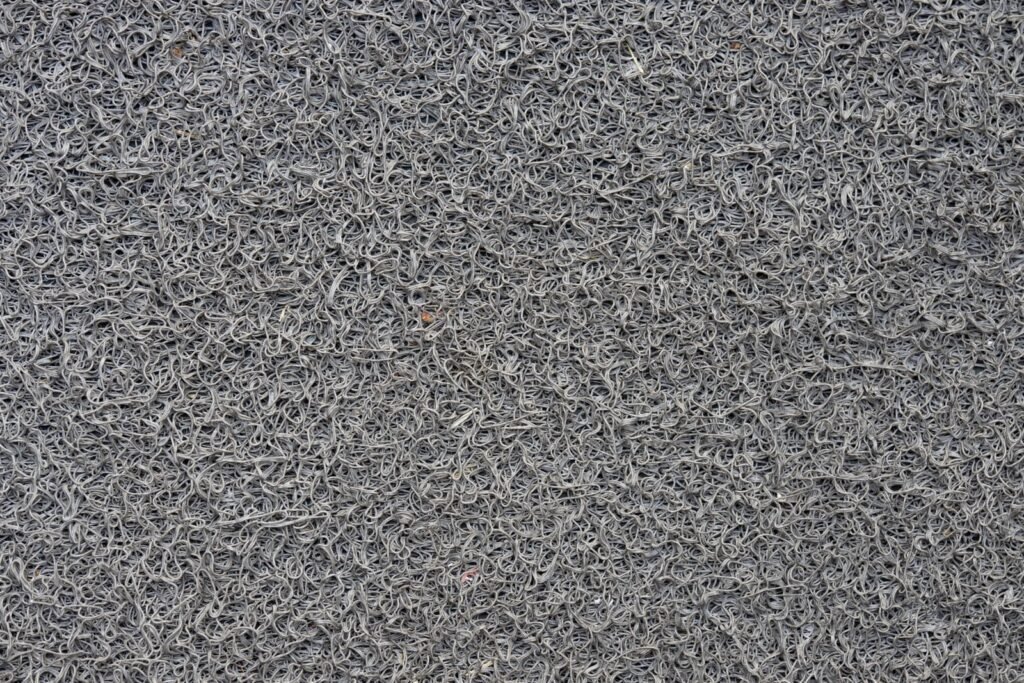
The same spill, two completely different outcomes
A glass of red wine goes over in the living room. In one house the homeowner grabs a stiff brush and a bottle of general purpose cleaner from under the sink, works at the patch hard, and ends up with a fuzzy grey halo that never quite goes away. In the house next door the same spill lifts out in ten minutes with a cloth and cool water. The difference usually has nothing to do with technique or luck. It is the fibre. Wool and synthetic carpets look similar underfoot, wear at similar rates when they are decent quality, and sit in the same rooms across Manchester. What they will tolerate in a bucket is not remotely the same.
We clean both every week across Prestwich, Whitefield, Crumpsall and the city centre apartment blocks, and the single most common cause of permanent damage we see is a correct cleaning method applied to the wrong fibre. This guide sets out where the two materials genuinely differ, what that means for spills, frequency and long term appearance, and which one is the better choice if you are due to replace. If you want the wider picture of methods, drying times and what a professional visit involves, our main guide to carpet cleaning in Manchester covers the process end to end. This piece stays on fitted carpet only. Loose floor coverings behave differently again and we handle those separately in our rug cleaning and care guide.
What wool actually is, and why that matters at floor level
Wool is a protein fibre. Chemically it has far more in common with your own hair than it does with the plastics used to make synthetic carpet. Each strand is covered in overlapping scales and carries a natural crimp that gives it spring, and it is that crimp that makes a good wool carpet recover its shape after a sofa has stood on it for two years.
Three properties follow from the protein structure and they drive everything else in this article. First, wool is sensitive to alkalinity. Strong alkaline chemistry, which covers a great many supermarket cleaners, washing powders and bathroom sprays, attacks the fibre itself, dulls the surface and can strip colour. Second, wool is sensitive to heat, particularly heat combined with moisture and agitation. That combination is exactly how felt is made, and felting in a carpet shows up as a hard, matted, permanently flattened patch. Third, wool absorbs a large amount of moisture into the fibre before it feels wet to the hand, which is a real advantage for comfort and static but a real liability if a carpet is overwetted and then left to dry slowly.
Wool also hides soil well. The crimp and the natural opacity of the fibre scatter light, so a wool carpet can be carrying a surprising amount of dry grit before it starts to look dirty. That is pleasant day to day and slightly dangerous long term, because grit trapped at the base of the pile acts like sandpaper every time somebody walks across it.
How synthetic fibres behave differently
Synthetic carpet is not one material. The three you will meet in most Manchester homes are nylon, polypropylene and polyester, and lumping them together is part of why people get results they did not expect.
Nylon
Nylon is the most resilient of the common synthetics and the closest in feel and recovery to wool. It takes stain resist treatments well and it copes with hot water extraction comfortably. Its weak point is dye based staining. Acid dyes, the sort found in red wine, blackcurrant squash, some food colourings and many sports drinks, can bond to nylon in a way that behaves almost like a permanent redye if they are left to dry in.
Polypropylene
Polypropylene, sometimes sold as olefin, is usually solution dyed, which means the colour is locked into the fibre when it is made rather than applied to the surface afterwards. That makes it extremely resistant to water based staining and, unusually, tolerant of diluted bleach on many products. The trade off is that it attracts oils. Greasy soil from kitchen traffic, skin oils and outdoor road film cling to polypropylene and build up into the dull grey traffic lanes you see in hallways and on stairs. It also has less recovery than nylon or wool, so it crushes flat under furniture and stays that way.
Polyester
Polyester feels soft and holds bright colour well, and modern versions are far better than the ones fitted twenty years ago. Like polypropylene it is oil loving, so its problem is rarely a dramatic stain and almost always a slow greasy dulling in the busiest areas.
What unites all three is chemical toughness. None of them are protein fibres, so alkalinity does not eat them, and all of them will take considerably hotter water and stronger detergent than wool without complaint. That tolerance is the single biggest practical difference between the two families.
Heat, pH and the two rules that protect wool
If you remember nothing else from this guide, remember these two. On wool, keep cleaning solutions close to neutral or very slightly acidic, and keep the water cool to warm rather than hot. Look for products carrying a recognised wool safe approval rather than guessing from the label, because a cleaner being gentle on skin tells you nothing about whether it is gentle on keratin.
The second rule is about mechanics rather than chemistry. Blot, never scrub. British Wool’s guidance on caring for a wool carpet is explicit that scrubbing pushes the stain deeper into the pile and damages the fibres, and it makes a second point that most people get wrong: spray the cloth, not the floor. Spraying a solution straight onto the carpet drives the spill further down towards the backing and spreads it sideways into clean fibre, which turns a coin sized problem into a plate sized one.
The correct sequence on wool is simple. Lift or scrape away anything solid. Press a clean, dry, absorbent white cloth into the spill and hold it, working from the outside of the mark towards the middle, and keep swapping to a fresh part of the cloth until nothing more transfers. Only then introduce a small amount of cool water or an approved product, applied to the cloth, and dab. Finish by blotting dry and letting air get to the area.
On synthetics you have far more room to be forceful. You can use warmer water, a stronger product and gentle agitation with a soft brush, and on a solution dyed polypropylene you can go further still. That does not mean scrubbing is a good idea. Aggressive brushing distorts the pile face on any carpet and leaves a visibly fuzzy patch even when the stain itself has gone. It only means the fibre will survive the mistake where wool will not.
How stains actually behave on each fibre
Wool has a natural advantage in the first few minutes. The outer surface of the fibre repels water, so a fresh liquid spill tends to sit on top of the pile rather than sinking straight in, which buys you time if you get to it quickly. Once that window closes and liquid reaches the inner fibre, wool holds onto it stubbornly, and dye based stains such as wine, tea and curry can bond hard. Wool is also vulnerable to alkaline household substances that synthetics shrug off, and it is one of the very few carpet fibres that insects will eat, so long term neglect in an undisturbed corner under a bed carries a risk synthetics simply do not have.
Synthetics reverse the pattern. Liquid tends to travel down the fibre and into the backing faster, so speed matters even more, but once the spill is out it is usually out for good, because the fibre itself is not absorbing the colourant in the same way. Their persistent problem is oily soil, which does not respond to water and a cloth at all. That is why a five year old polypropylene stair carpet can be free of visible stains and still look tired: the issue is a film across the whole traffic area, not a mark, and it needs a proper hot extraction with a suitable prespray to shift.
Two things never belong on either fibre. Never use a general purpose or bathroom cleaner on carpet, and never let a wet patch sit for hours in a cold room. Slow drying is how smells start and how marks wick back up from the backing a day later, which is why we run air movers rather than leaving a job to dry on its own.
How often each fibre needs cleaning
Vacuuming is where most of the real work happens for both, and the reason is the same for each. Dry grit is abrasive, and once it works down to the base of the pile it cuts fibre every time the carpet is walked on. In a Manchester winter, with wet pavements and grit and salt on the road, that load is heavier than most people assume. Twice a week in living areas and hallways is a sensible baseline, more if you have a dog or a busy front door, and a beater bar on the lowest aggressive setting or turned off entirely for loop pile wool.
New wool carpet sheds loose fibre for the first several months. That is normal, it is not the carpet falling apart, and it stops. Keep vacuuming through it rather than easing off.
For deep cleaning, a wool carpet in an average household generally wants professional attention around once a year, sooner in a hallway or a home with pets, and it benefits from being cleaned before it looks dirty rather than after, precisely because wool hides soil so well. Synthetics tend to show their traffic lanes earlier and often need attention every twelve to eighteen months, with high traffic stairs and hallways in student lets and rented flats needing more. Whichever you have, our domestic carpet cleaning service is set up to test the fibre before anything wet goes near it, which is the step that decides the whole method.
One local point worth knowing. Manchester’s mains supply is soft water, which means detergent lathers readily and it is easy to overdose a DIY machine. Excess detergent left in the pile is sticky, it attracts soil straight back, and it is a common reason a carpet looks worse three weeks after a hire machine went over it than it did before.
Choosing between them when you replace
If a carpet is past saving, the fibre choice is worth ten minutes of thought because it sets the next decade of maintenance.
Wool suits rooms where appearance and feel matter most and where the traffic is domestic rather than punishing. Bedrooms, lounges and dining rooms are its natural home. It recovers from furniture, it resists crushing, it is naturally resistant to ignition, it handles static well and it ages gracefully rather than going shiny. It costs more up front and it demands the gentler cleaning regime described above. An eighty twenty wool and nylon blend is a genuinely good middle path and is what we would suggest for most family living rooms.
Synthetic suits the places that take a beating or take spills. Stairs, hallways, playrooms, home offices with chair castors and any rental property being turned around between tenants. Solution dyed polypropylene is the pragmatic choice for a busy family staircase or a let, on the simple grounds that you can clean it hard and it will forgive you. Nylon is worth the extra if the room needs to look good as well as survive.
Underlay and fitting quality matter more than most buyers expect, on either fibre. A good carpet on thin underlay wears out from beneath and no amount of cleaning will reverse it. If you are weighing up a replacement rather than another clean, our team handles carpet fitting across Manchester and will talk through fibre, pile construction and underlay for the specific room before anything is ordered.
When to stop and call somebody in
There is a point where continuing to work at a mark yourself makes the professional job harder rather than easier. Stop if the stain covers more than a hand span, if it has already dried in, if it is a dye based spill on wool, if the carpet has been wet for more than a few hours, or if you have already tried a product and the area now looks lighter or feels rough. Tell whoever cleans it exactly what you used, because that changes the neutralising step and it is not something anyone will judge you for.
It is also worth calling early rather than late on wool. Wool responds extremely well to correct professional cleaning and can look close to new for many years, but felted or alkali burnt fibre cannot be restored by anybody. The damage is structural, not a soil problem.
Getting the right method on your carpet
Fibre identification is the first thing we do on any job, before a machine comes off the van. Wool gets cool to warm water, wool safe chemistry held close to neutral, controlled moisture and forced drying. Synthetics get the hotter, stronger treatment their construction is built for, with the prespray chosen for oily soil where the traffic lanes call for it. In both cases we test colourfastness in an inconspicuous spot first, because a carpet that bleeds dye is a very short conversation that needs to happen before the job starts, not after.
If you are not sure what you have underfoot, that is completely normal, and it is not something you need to work out yourself. Send us a photo of the pile and the room, tell us what has been spilled and what has already been tried, and we will tell you honestly whether it is a job for a cloth and ten minutes or a job for us. We work across Manchester and the surrounding boroughs for homes, landlords and end of tenancy handovers, and we would far rather advise you properly on a small mark than be called out to a fibre that has already been damaged by the wrong bottle.

Want this done properly at your property?
Tell us the building and the problem. We quote from a written specification, and contracts start with a three-month trial rather than a long tie-in.