Cleaning Around Dust Extraction Systems in Workshops
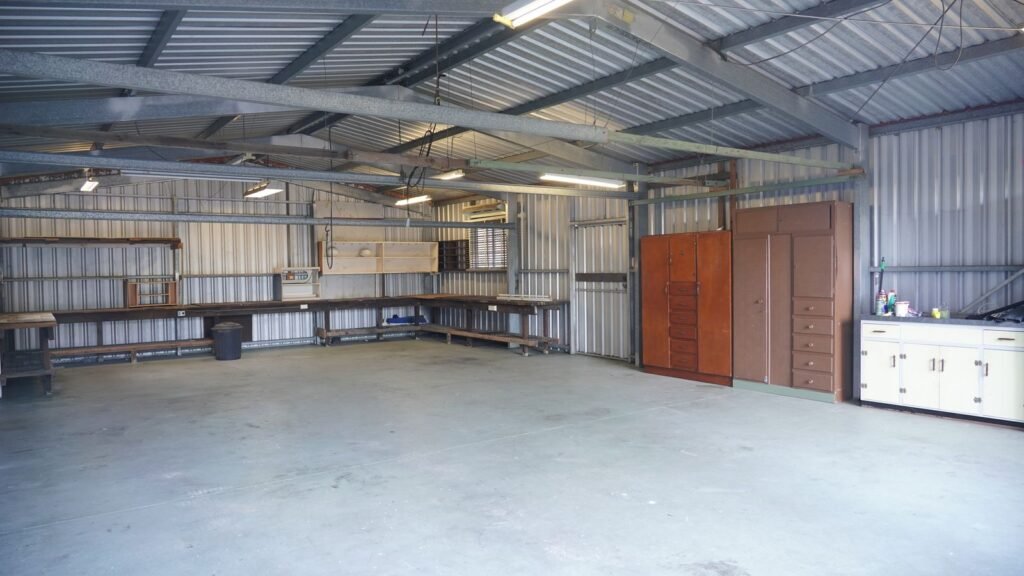
Cleaning around dust extraction systems in workshops means removing settled dust from agreed surfaces without interfering with the equipment that controls dust at its source. The cleaner’s job is to follow the site’s assessed cleaning method and report concerns. Installing, testing, repairing or adjusting extraction equipment is a separate task for the people responsible for that system.
If you are searching for dust extraction in Manchester because your workshop keeps becoming dusty, distinguish the two jobs before requesting a quote. Cleaning can address the surrounding floor and accessible surfaces. It cannot establish that an extraction system captures the dust produced by a process, or fix a fault in the machinery. This guide explains how to agree that boundary and organise the cleaning around it.
Explain what produces the dust
Start with the work carried out in the area, the material being handled and the surfaces affected. A cleaner needs more than a photograph of a dusty floor. Give the contractor the relevant information from the site’s assessment and explain any restrictions. If the material is unknown, do not ask someone to remove it as routine housekeeping before its handling requirements are established.
Mark the areas included in the cleaning scope. These might be a floor route, accessible shelves or the exterior of an agreed workbench. Mark excluded areas too, including machinery internals, electrical panels, extraction filters and any process area that the cleaning contractor is not authorised to enter. A written boundary helps both the workshop supervisor and cleaner avoid an informal expansion of the job.
Describe when dust is generated and when production stops. The cleaning visit must fit the site’s controls, rather than rely on the cleaner working around whatever is running on arrival. If the space cannot be made available under the agreed conditions, change the plan before the visit begins. The workshop should have a named contact who can decide what happens next.
Separate housekeeping from extraction work
Extraction equipment draws contaminated air away from a process. Workshop cleaning addresses material that has settled on surrounding surfaces. They are connected because a dusty area may prompt a closer look at the process, but a contractor should not treat wiping the floor as evidence that the airborne exposure is controlled.
The HSE’s dust in the workplace guidance explains that work activities can create dust and that excessive exposure can cause respiratory problems. Its linked advice on simple checks includes looking at where contamination settles, checking extraction airflow indicators and encouraging operators to report defects. Those checks belong within the employer’s dust-control arrangements, rather than being replaced by a cleaning checklist.
A cleaner can report a patch of dust, a damaged-looking external component or an area that could not be cleaned as planned. The report should describe the observation and its location. It should not diagnose an extraction fault or certify the system’s performance. Keep the cleaning report and the equipment assessment separate so that the appropriate person receives each issue.
Agree what stays untouched
Before cleaning begins, identify the extraction controls, ducts, flexible hoses, collection units and any access panels near the work area. The workshop’s responsible person should explain which surfaces can be approached and what must remain untouched. Do not assume that a component is safe to wipe simply because it is dusty and within reach.
Opening a collection unit, changing a filter, disconnecting a hose or adjusting a hood changes the task. These activities should not be added casually to a general clean. They require the system’s own method, authorisation and competent personnel. If the workshop needs them, arrange that work separately and coordinate the dates with the surrounding cleaning.
The same principle applies to operating controls. A cleaner should not switch extraction on or off, alter settings or move a capture hood to make access easier unless the task has been specifically assessed and authorised. Moving equipment for convenience can leave the process arranged differently from the way it was meant to work. Leave operational decisions with the workshop.
Choose the cleaning method from the assessment
The method must suit the dust, the surface and the working conditions. A vacuum that works well in an ordinary office is not automatically suitable for workshop material. Explain the assessed requirements to the cleaning contractor before they select equipment. If the contractor cannot meet them, the right response is to revise the job or arrange a suitable specialist.
Do not improvise dry sweeping, blowing material away or brushing into inaccessible spaces to make a surface look clean. The question is where the dust goes and how it is collected under the site’s method. A cleaner needs a route from the surface to an appropriate collection and disposal arrangement, rather than moving the material into another part of the workshop.
Wet methods also need agreement. Water or a cleaning solution can affect machinery, products and floor finishes, and it is not an automatic answer for every dusty task. Confirm what can be wetted, what must stay dry and how the area will be left. Product instructions and the site’s assessment should govern the method, including any required protective equipment.
Plan the floor and surrounding surfaces
A practical scope breaks the accessible area into sections. Identify clear walkways, the outside of workstations and agreed storage surfaces. The workshop should remove or secure materials that prevent the clean, rather than ask cleaners to relocate unfamiliar stock. Explain any items that must remain in position and how the contractor should work around them.
Choose a sequence that avoids carrying collected material back across completed areas. Equipment, footwear and collection containers can become part of that route, so the method should address how they are handled. Keep the area available until the agreed finish check is complete. If another operation starts during the clean, pause and ask the site contact to reassess the arrangement.
Our warehouse cleaning in Manchester page provides a starting point for discussing surrounding floors and accessible surfaces. For a workshop with extraction equipment, send the assessed cleaning requirements and exclusions alongside the layout. A general commercial cleaning request alone does not establish that a dust-related task is within scope.
Deal with height and restricted access separately
Dust on a high beam or the top of ductwork may be visible from the floor but difficult to reach safely. Identify these locations during the scope visit. Do not leave them as an instruction to clean whatever is dusty, because that wording hides the access requirement. The contractor must confirm whether the height and location can be included with an appropriate method.
Do not climb on shelving, machinery or workbenches to reach a surface. If an area requires planned access equipment, an authorised isolation or specialist handling, arrange it before scheduling the clean. A ground-level housekeeping team should have a clear way to report the excluded area without being expected to solve the access problem on arrival.
Check access around the system as well as above it. A hose across a passage, stored material against a unit or a narrow gap behind machinery can change the route available to the cleaner. Record the arrangement needed for attendance. A photograph can help explain the location, but it does not replace checking the actual working conditions.
Keep collection and waste arrangements clear
Confirm how the collected material will be contained, where it will be placed and who is responsible for its onward handling. The contractor should know whether the workshop provides the agreed collection point or expects a separately arranged waste service. Avoid leaving the answer until a bag or container is full.
The waste from surrounding-surface cleaning and the contents of an extraction collection unit may involve different tasks. Do not assume that the cleaning contractor will empty or service the unit because it is nearby. Identify each responsibility by name in the scope. Any unidentified material or changed condition should be referred to the site contact before handling continues.
Equipment used for this task also needs a defined finish procedure. Agree where it is stored or removed and how the contractor prevents material being carried into other areas. The plan should be workable at the end of the visit, when the workshop may be preparing to restart production and people are moving around the site.
Use a handover that records what happened
The completion record should list the included areas, the method used and any exclusions or interruptions. If dust remained on a surface because access was unavailable, say which surface and why. If the cleaner observed a change around the equipment, record the observation without diagnosing it. The supervisor can then decide who needs to inspect the process or extraction system.
Take photographs only where the workshop permits them and store them according to the agreed arrangements. A useful photograph identifies a location and condition. It should not include confidential process details or personal information unnecessarily. Agree who receives the report and who acknowledges any issue requiring action.
For repeat visits, review where dust settles again and whether the cleaning scope needs adjusting. The review can support housekeeping planning, but it does not establish the cause of reappearing dust. Where system performance is in question, involve the responsible equipment specialist. Our wider Manchester commercial cleaning service can be discussed around the agreed cleaning tasks.
Questions about cleaning near extraction equipment
Will the cleaner repair dust extraction equipment?
No. Surrounding cleaning and equipment repair are separate jobs. An observation can be reported to the workshop supervisor, who should arrange the appropriate assessment or repair.
Can cleaners empty the extraction collection unit?
Not as an assumed part of general cleaning. The unit has its own handling requirements. Confirm the method, competence and authorisation for that work separately before anyone opens it.
Does a visibly clean floor prove the extraction is working?
No. A clean floor records the condition of that surface after cleaning. Assessment of dust control and extraction performance requires the employer’s separate arrangements and appropriate competent checks.
What should I provide when asking for a quote?
Provide the workshop layout, dust information, assessed cleaning method, accessible surfaces, exclusions, access conditions and proposed dates. Explain who will make the area available and who receives the completion record.
Agree the cleaning boundary before attendance
For a workshop clean in Manchester, start with the surrounding areas that need attention and the site’s dust-control requirements. Keep extraction servicing and production decisions with the responsible people. Send Exclusive Property Facilities the proposed cleaning scope so the work, equipment and access can be considered before a visit is agreed.
Want this done properly at your property?
Tell us the building and the problem. We quote from a written specification, and contracts start with a three-month trial rather than a long tie-in.