End of Tenancy Cleaning for City Centre Apartments
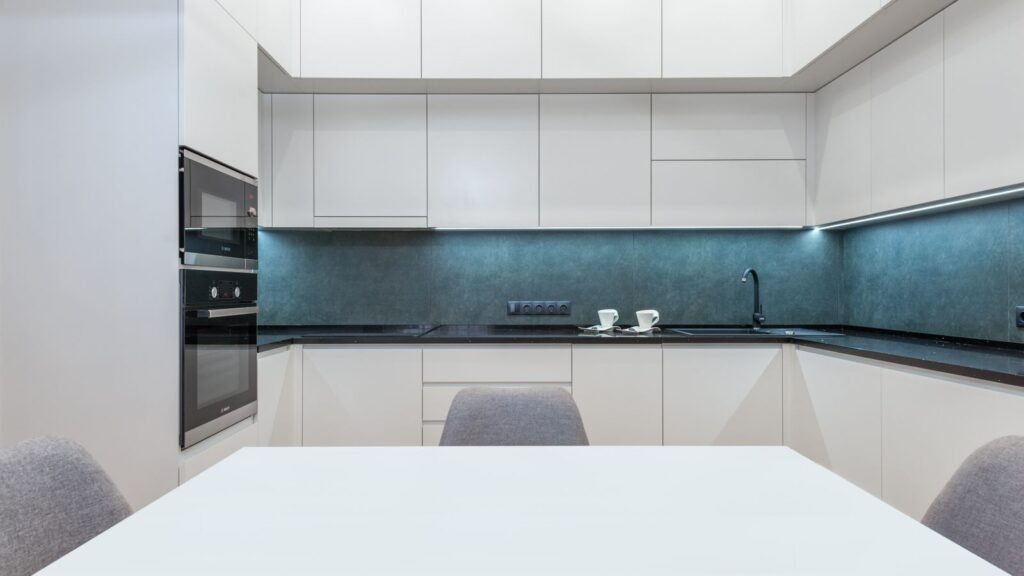
End of tenancy cleaning in Manchester city centre comes with problems a suburban house rarely has. Concierge desks, booked lifts, permit parking and shared bin stores all affect how a check-out clean is planned. The flat itself may be small, but getting people, equipment and waste in and out of a tower block takes organising.
This guide is for tenants, landlords and letting agents handling a check-out in a city centre apartment. It covers building access, timing with the inventory, the details letting agents tend to look at in flats and the practical steps that stop a clean running late on the last day of a tenancy.
Start with the building, not the flat
Before thinking about ovens and bathrooms, find out how the building works. Many city centre developments have a concierge or building manager who controls access for contractors. Some ask for names in advance, some need a booking for the service lift and some only allow work during set hours. Ask the building management or the letting agent what applies.
Check how cleaners will get in. Keys and fobs may be held by the tenant, the agent or the concierge. Agree who will hand them over and when. A clean booked for the morning goes wrong quickly if the cleaner spends the first hour waiting at the front desk.
Ask about lifts. If the building has a service lift, it may need booking for moving equipment. If it does not, cleaners may share passenger lifts with residents. Either way, allow time. Carrying equipment to a high floor and back again is part of the job in a tower block.
Find out where waste goes. Shared bin stores in apartment buildings often have rules about what can be left and when. Cleaning waste, old products and bags of rubbish from the flat should go where the building allows, not be left in a corridor. Our end of tenancy cleaning in Manchester includes agreeing this before the day.
Parking and arriving with equipment
Parking near city centre buildings is limited. Loading bays may need permits, and on-street parking may be short-stay only. Ask the building whether contractors can use a loading area or visitor bays. If not, plan for equipment to be carried a short distance from wherever parking is available.
Allow for traffic and timing. Arriving in the morning rush can add delay. Some buildings restrict deliveries and contractors to quieter periods. Fitting the clean around those limits avoids a rushed job at the end of the day.
Timing the clean with the inventory
The check-out inspection compares the flat against the inventory taken at the start of the tenancy. The clean needs to finish before that inspection, with enough time for floors and surfaces to dry. Agree the inspection time with the letting agent first, then book the clean around it.
Make sure the flat is empty when the cleaner arrives. Belongings, furniture belonging to the tenant and bags left in cupboards slow the work and get in the way of a thorough clean. Cleaning around boxes rarely produces a result that satisfies an inventory check.
Read the inventory before the clean if you can. It shows how the flat was described at the start of the tenancy, room by room. That description is what the flat will be compared against. The government’s How to rent guide explains the tenant’s side of renting in England, including what to expect when a tenancy ends.
Details agents look at in city centre flats
Kitchens in apartments are often compact, with integrated appliances. Ovens, hobs and extractor filters attract attention at check-out. So do the insides of integrated fridges, dishwashers and washing machines, including seals and filters that are easy to overlook.
Bathrooms in flats are frequently internal rooms without windows. Extractor fans, shower screens, grout and sealant tend to collect limescale and mould. Clean the extractor grille and check the shower screen and tray carefully, because these are common points of dispute.
Windows and balconies need thought. Inside glass, sills and frames are usually part of the clean. Outside glass on high floors is not something to attempt from a balcony. If the balcony itself is part of the flat, sweep it and clean what can be reached safely, and leave external high-level glass to the building’s own arrangements.
Flooring in apartments is often hard flooring or carpet that runs throughout. Skirting boards, the areas under beds and sofas left by the landlord, and the edges of rooms all show dust. Treat them as part of the clean rather than finishing touches.
Problem areas common in modern apartments
Many city centre flats are in newer buildings with sealed windows, mechanical ventilation and compact layouts. These features can trap moisture. Condensation on window frames and black marks in the corners of bathrooms and bedrooms are common by the end of a tenancy, especially after a winter. Clean window frames, seals and sills carefully, and look behind curtains and blinds where moisture collects.
Ventilation units and extractor grilles gather dust. In some apartments, a whole-flat ventilation system has vents in the ceiling of several rooms. Wiping the visible grilles is usually part of the clean. Anything that involves opening the unit or changing filters is maintenance for the landlord or building, not cleaning.
Wet rooms and walk-in showers need particular attention. The floor drain, the glass panel and the area where the floor meets the wall can build up limescale and residue. Agents often look closely at these, because they are hard to restore once heavily marked.
Laundry appliances in small flats are frequently washer-dryers tucked into a kitchen cupboard. The door seal, the detergent drawer and the lint filter all collect residue. Leave the door open after cleaning so the seal can dry, and mention anything that looks like a fault rather than dirt.
Preparing the flat before the cleaner arrives
A few steps by the tenant make a big difference to how the clean goes. Remove every belonging, including items in kitchen cupboards, bathroom cabinets and under the sink. Empty the fridge and freezer and switch the freezer off to defrost if the agreement asks for it, leaving a towel to catch water.
Take rubbish out to the building’s bin store before the cleaner arrives, following the building’s rules. Leave the flat’s own bins empty and clean if you can. This frees the cleaner to spend their time on the surfaces the inspection will look at.
Tell the cleaner about anything that is already damaged or stained, so it is not mistaken for something the clean should have fixed. A quick note or photograph of existing marks helps everyone understand what cleaning can and cannot change.
Furnished and unfurnished apartments
Many city centre flats are let furnished. If furniture stays in the flat, it is usually part of the inventory too. Sofas, mattresses, wardrobes and drawers may need cleaning inside and out. Ask the agent whether upholstery cleaning is expected or whether a general clean of furniture surfaces is enough.
In an unfurnished flat, the focus is on fitted items and surfaces. That makes the clean simpler in some ways, but empty rooms show every mark on floors and walls. Light switches, door handles and plug sockets are easy to miss and easy to spot during an inspection.
Who arranges and pays for the clean
The tenancy agreement usually sets out what condition the flat should be returned in. Read it before arranging anything. Tenants are generally expected to return the property in the condition it was in at the start, allowing for fair wear and tear. The inventory is the record of that starting condition.
Letting agents and landlords sometimes arrange the check-out clean themselves between tenancies. Tenants sometimes arrange it before handing back the keys. Agree who is doing it so the flat is not cleaned twice, or not at all. Our residential cleaning in Manchester works with both tenants and agents.
Keep any receipt or record of the clean. If questions arise about cleaning at the end of the tenancy, a record of when the clean took place and what it covered is useful to everyone involved.
When the timetable is tight
City centre tenancies often turn over quickly, with a new tenant moving in days after the last one leaves. That leaves little room for a clean that runs late or needs redoing. Book early, confirm building access in writing and build in time for drying and the inspection.
If a problem turns up during the clean, such as a stain that will not lift or damage that was not noticed before, tell the agent straight away. It is easier to agree what to do before the inspection than to argue about it afterwards.
Leave the flat secure and the keys where agreed. Return fobs and keys to whoever is due to receive them, and confirm by message so there is a record of the handover.
Questions about city centre end of tenancy cleaning
Do cleaners need to be booked with the building?
Often yes. Many developments ask contractors to register with the concierge or book the service lift. Check with the building management or letting agent before booking the clean.
Is outside window cleaning included?
External glass on upper floors is not something to clean from a balcony. It is usually handled by the building’s own arrangements. Inside glass, frames and sills are normally part of the clean.
When should the clean happen?
After the flat is empty and before the check-out inspection, with time for surfaces to dry. Agree the inspection time with the agent first.
Are integrated appliances part of the clean?
Usually. Ovens, hobs, extractor filters, fridges and dishwashers are common points at check-out. Confirm the scope with the agent or against the inventory.
Who should arrange the clean?
Check the tenancy agreement and agree it with the agent or landlord, so the flat is not cleaned twice or missed altogether.
Plan your apartment check-out clean
Tell us the building, the floor, the access arrangements and the time of the inspection. With those details, the clean can be planned around the building as well as the flat. Send us your apartment details and we will arrange a time that fits the check-out.

Want this done properly at your property?
Tell us the building and the problem. We quote from a written specification, and contracts start with a three-month trial rather than a long tie-in.