Cleaning Warehouse Racking and Shelving Safely
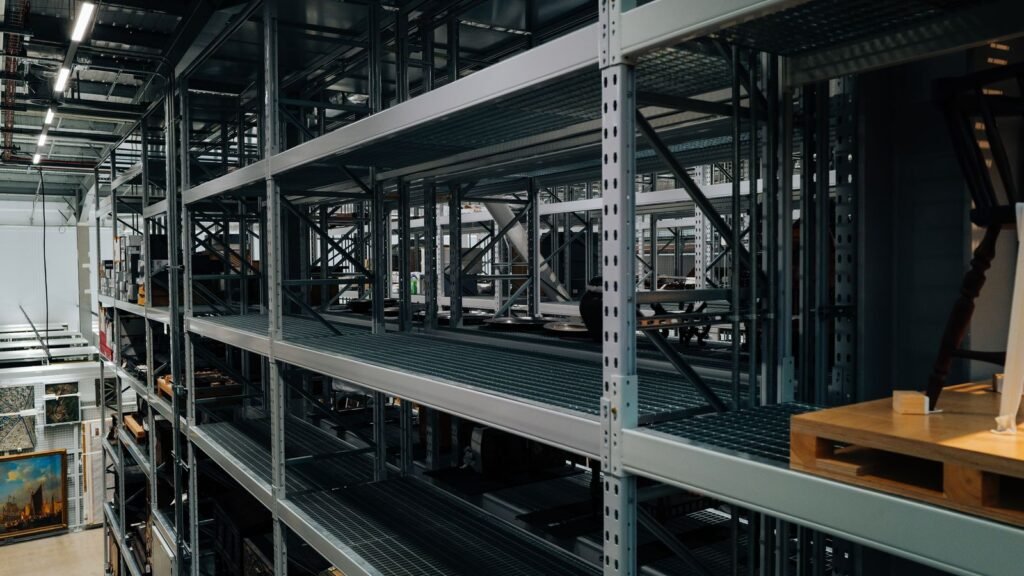
Cleaning warehouse racking and shelving safely starts with deciding which surfaces can be made available, how they will be reached and who controls stock movement. A rack that looks accessible from the aisle may still need an assessed access method and a clear working area. Do not treat climbing the structure or moving goods as an informal part of the cleaning task.
This guide helps Manchester site managers scope racking and shelving cleaning services. It covers dust on accessible surfaces, the boundary around stored goods and planning the visit around warehouse activity. Cleaning is separate from racking inspection, repair or changes to the storage system.
Identify the surfaces in the cleaning scope
List the rack sections and shelf surfaces you want cleaned. Distinguish accessible lower shelves, upper levels and parts that remain behind stored goods. A marked plan or agreed location reference gives the contractor a clearer brief than a general instruction to clean all racking.
Explain the material on the surfaces where it is known. Dust, packaging fragments and other debris may require different handling. If material is unidentified or a spill has affected an area, the site should establish the appropriate response before it is accepted as routine cleaning.
Our warehouse cleaning in Manchester service can be discussed around those sections and conditions. Provide the actual area and access requirements so the proposed method relates to your storage layout.
Keep stock movement with authorised people
Decide who removes, secures or rearranges goods before the clean. The cleaning team should not assume permission to handle stored items or operate warehouse vehicles. A contractor needs to know which surfaces will actually be clear at the visit, rather than quote for empty shelving that remains full on arrival.
List anything that must remain in position. Fragile, valuable or restricted items may affect what can be reached. The site should explain those boundaries and how an inaccessible section is recorded. Cleaning around a stored object is not permission to decide whether it can be moved.
Also agree who returns stock after the section is handed back. A useful arrangement identifies the cleaning task and the separate warehouse task. It prevents the cleaner being expected to reorganise inventory or judge whether the storage arrangement has been restored correctly.
Confirm whether a shelf must remain clear while the agreed method is completed or a surface dries. Staff should know when the section is available for restocking, rather than place goods back before the cleaning handover has taken place.
Plan how dust will be collected
The proposed method should suit the material and surfaces, with an appropriate collection arrangement. Ask the contractor how it intends to remove dust without simply shifting it onto another shelf or the goods below. Equipment selection belongs with the assessed task and any restrictions supplied by the site.
Do not improvise blowing material from a rack or sweeping it into an inaccessible space because that looks quicker. The plan should explain where collected material goes and how the surrounding area is managed. A surface that looks clear after dust has been moved elsewhere is not the same as a completed cleaning task.
Agree the sequence between sections. The team should know which areas are available, where it can place equipment and when it moves to the next location. Keep the route matched to the collection method and the warehouse’s operating arrangements, rather than treating the shelves as isolated surfaces.
Assess height before choosing access equipment
Upper shelf levels need a planned access method, not a decision made by the attending cleaner. Confirm the height, reach and area beneath the work before the quote is finalised. The contractor should explain what can be done from an appropriate ground-level position and what requires another arrangement.
The HSE’s work at height guidance says work should be planned, supervised and carried out by competent people using suitable equipment. Its linked introduction recommends avoiding work at height where reasonably practicable and taking appropriate fall-prevention measures where it cannot be avoided.
Do not climb racking, stand on stock or use a shelf as a work platform to reach a dusty area. If the proposed task needs access equipment, arrange the assessed method before attendance. A higher shelf that remains outside the agreed access plan should be recorded as excluded, not reached by improvisation.
Control the working area around the aisle
Set the cleaning window against picking, deliveries and vehicle movements. Identify who authorises an aisle restriction and how the warehouse team knows the area is unavailable. The cleaner should not have to negotiate access with each passing vehicle or member of staff.
Consider the area beside and beneath the rack, not only the shelf surface. Access equipment, collection equipment and the material being removed all affect the working space. The site’s arrangement should establish who keeps that area clear and what happens if activity changes during the visit.
Decide how work is paused if the aisle is needed unexpectedly. The site contact and contractor should review any revised route against the assessed method. Finishing by the original time is not a reason to clean beside unplanned stock movement or outside the agreed controls.
Keep cleaning separate from rack inspection
A cleaner may notice an apparent change or damage while working nearby. Its report should identify the location and observation without certifying the structure or attempting a repair. The site should refer the issue to the appropriate person responsible for the storage system.
Do not loosen, remove or adjust components as part of cleaning. A part that obstructs access needs an authorised arrangement, not an assumption that it can be moved temporarily. The cleaning scope should make that boundary clear to regular and replacement staff.
Similarly, a completion record should not say the racking has been inspected or is safe for use merely because its surfaces were cleaned. Cleaning handover and structural or operational checks are separate responsibilities and should remain separate in the records.
Prepare the visit and equipment route
Confirm the entrance, unloading point and approved route to the sections included in the job. Check any level changes, restricted doors or narrow passages that affect equipment access. The contractor needs those details before agreeing what it will bring.
State what facilities the site has agreed to provide and where equipment may be kept during the work. Storage and working locations should fit the aisle controls rather than use whatever space appears empty on arrival. Include the finish arrangement for collected material in that discussion.
Name the site contact for access and the contractor’s contact for changes to the method. Both should be available under the planned arrangement. A cleaner should know who can decide what happens if a section is not clear, the material differs from the brief or the approved equipment cannot be used.
Record available and unavailable sections
A useful cleaning record names the rack sections and surfaces completed. It also records stock that remained in position, an access limitation or a condition referred for review. This makes the handover more informative than a tick beside the phrase racking clean.
Photographs can help show a location where the site permits them. Avoid unnecessary stock labels, confidential material or people in the images. The purpose is to explain the cleaning task or exception, not create an inventory or technical report that was not requested.
Our wider commercial cleaning service can be discussed around that completion record. Confirm the reporting format with the site manager so it helps arrange access or address a specific missed task.
Review the cleaning pattern with warehouse use
Use observations from the site to decide when the shelves need another clean. Dust accumulation and access can vary between sections. Avoid applying a universal schedule without considering the material, stock pattern and conditions in the actual building.
If stock or rack layout changes, review the method before the next visit. A section reached safely under the earlier arrangement may now be obstructed. Update the current instruction so the next team does not rely on an old route or an assumption that the shelves will be empty.
Where a section repeatedly remains unavailable, agree a workable window with the warehouse team. Adding it to the next checklist will not solve the access problem by itself. Keep the stock movement, aisle control and cleaning sequence connected in the revised plan.
Questions about racking and shelving cleaning
Will cleaners move our stored goods?
Only under a specifically assessed and authorised arrangement. Normally the site should make the agreed surfaces available and name who handles stock movement.
Can someone climb a rack to reach the upper shelf?
Do not treat the rack as improvised access equipment. Arrange an appropriate assessed method and competent personnel for any work requiring access at height.
Does cleaning count as a racking inspection?
No. A cleaning record describes the surfaces cleaned. Inspection, repairs and storage-system decisions remain separate responsibilities.
Plan the sections and access together
Collect the rack layout, material information, stock arrangements and proposed working window before requesting racking and shelving cleaning services. Send Exclusive Property Facilities the proposed warehouse cleaning scope so the surfaces, access and handover can be considered as one workable plan.

Want this done properly at your property?
Tell us the building and the problem. We quote from a written specification, and contracts start with a three-month trial rather than a long tie-in.