Server and Comms Rooms, Cleaning Around Live Equipment
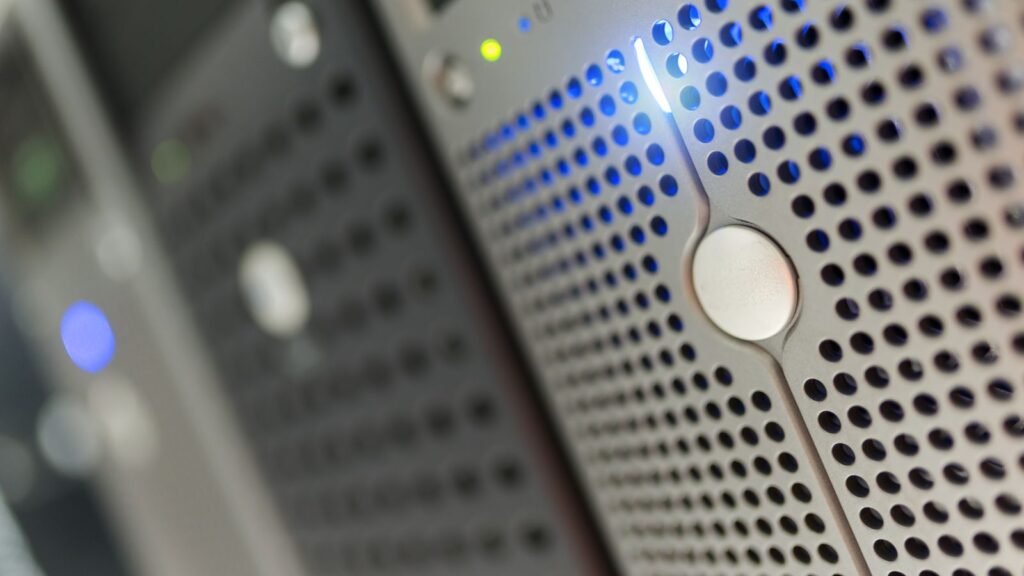
Server room cleaning should begin with a boundary agreed by the IT team, not an instruction to dust whatever looks dirty. Cleaning the surrounding room, servicing equipment and cleaning inside hardware are different tasks. Before anyone attends, identify the surfaces that can be cleaned, the equipment that stays untouched and the person who authorises access.
This guide explains how to discuss cleaning around live equipment in an office server or communications room. It is a scope-planning guide, not instructions to open or clean an energised server. A normal office cleaning contract should not be assumed to include equipment interiors or restricted technical spaces without a separate assessment.
Describe the room and its responsibility
Start with the room layout, the equipment it contains and the person responsible for it. A small communications cupboard can have different access conditions from a room with several racks. Explain which areas are occupied by equipment, where the clear floor route lies and what remains restricted.
Name the IT contact who can define the boundaries and approve the proposed method. The office manager may arrange a quotation, but should not assume authority to decide which hardware may be touched. Where different parties control the building and equipment, clarify those responsibilities before the cleaning date.
Our office cleaning in Manchester service provides a starting point for discussing workplace cleaning. A restricted server or comms room needs its own conditions and scope, rather than being added informally to the usual office round.
Separate surrounding surfaces from equipment interiors
List each proposed surface. An agreed section of room floor, an accessible wall surface and the inside of a rack are different requests. Do not use the phrase server room clean to hide those distinctions. The provider needs to know what is being assessed and what must remain excluded.
Cleaning inside hardware, opening a cabinet or removing a component should not be assumed to form part of general cleaning. If those tasks are required, the equipment owner should arrange the appropriate competent provider and method. The surrounding-room contractor should know where its own work begins and ends.
Put exclusions in the written instruction available to the attending staff. Identify switches, connections, control panels and other areas that must remain untouched. A clear boundary matters particularly for a replacement cleaner who may not know the room from earlier visits.
Let the equipment owner define permitted methods
The proposed cleaning method should fit the room and equipment-owner requirements. Supply the relevant instructions for the surfaces and surroundings included in the task. The contractor should explain what it proposes to bring and how it will work under those conditions.
Do not assume that the vacuum, cloth or product used in the ordinary office is appropriate in a technical room. The equipment owner and cleaning provider should establish suitability for the specific task before attendance. If the provider cannot meet those requirements, arrange the appropriate specialist rather than improvising a method.
The HSE’s electrical safety guidance explains assessing electrical hazards and putting suitable controls in place. For cleaning near equipment, agree the actual working conditions with the people responsible for the room. A cleaning visit is not an electrical inspection or certification of the installation.
Keep cables and controls outside the task
Explain the cable routes and connections close to the proposed work area. The cleaning team should not move, unplug or reconnect them to gain access. If a cable prevents the agreed floor section being reached, record the limitation and refer it to the IT contact.
The same rule applies to controls and operating settings. A cleaner should not change a switch, alter ventilation settings or operate an unfamiliar panel as part of tidying. The responsible team should decide any operational change and manage it under its own arrangements.
Do not remove labels or reposition equipment. A label that looks untidy may identify a connection or asset. If something appears loose or damaged, report the observation by location without handling it. The IT team can then decide what assessment is required.
Plan access before the visit
Decide who lets staff into the room and whether supervision is required. Set the date and working window against the room’s access conditions. The cleaning contractor should know who to contact if the authorised person is unavailable or the room cannot be made accessible.
Check the route for equipment before attendance. A narrow cupboard entrance, steps or a restricted corridor can affect the proposed method. The provider should not arrive with equipment that cannot reach the agreed area under the site rules. Confirm where its kit can be kept while work is underway.
Keep access records proportionate to the task. The site can record who attended and the work agreed without circulating sensitive technical information unnecessarily. Explain any photography restriction before the team begins, particularly where labels, screens or room details may be visible.
Agree how dust observations are reported
A cleaner may notice material on an excluded surface while working nearby. Its role is to report the location and condition, not assume permission to remove it. The observation can help the responsible team decide whether separate technical cleaning or another assessment is needed.
Keep that report factual. A patch of settled dust does not, by itself, establish a fault in a server or the cause of a room condition. Do not ask the cleaning contractor to diagnose equipment performance from its appearance. The equipment owner’s checks remain separate from the cleaning record.
If the condition differs from the agreed brief, use the named contact before changing the work. An unexpected material, a newly blocked route or an area no longer available should be recorded. Completing a visit on time is not a reason to extend the method beyond the approved surfaces.
Treat raised floors and concealed spaces separately
If the room has a raised floor or another concealed service space, identify whether any related task is being requested. Cleaning the accessible top surface is not permission to lift panels or enter the void beneath. That request needs its own assessment, access and competent personnel.
The contractor should not discover such work as an extra item during attendance. Explain it at the scoping stage and let the equipment owner determine how it will be arranged. Where it remains excluded, write that boundary into the instruction and completion record.
Apply the same principle to high surfaces, ventilation components and inaccessible areas around racks. The fact that dust is visible does not create a safe or authorised route to it. Record what can be reached under the approved method and what requires a separate arrangement.
Define what happens if the job cannot proceed
The instruction should name a stop-and-report route for conditions outside the agreed plan. A cleaner should know who can decide whether access or a task can change. If that person cannot be reached, the contractor should record the limitation rather than make an operational decision on the equipment owner’s behalf.
For example, the agreed floor route may be occupied by new equipment or an authorised supervisor may not be present. Those circumstances affect the work available, even when the date was booked earlier. Discuss the change against the scope and decide whether a different visit or method is appropriate.
Our wider commercial cleaning service in Manchester can be considered around an agreed surrounding-area task. Any restricted technical cleaning should be discussed on its own requirements and competence before it is accepted.
Check completion against the surface list
At handover, identify the surfaces cleaned, the method used and any area that remained unavailable. The equipment owner should receive observations relevant to its separate responsibilities. The record should not certify that servers, connections or other installations operate correctly.
Check the accessible working area against the agreement. A cleaner attending the room is not evidence that an excluded cabinet interior was cleaned, and it should not be recorded as such. Keep cleaning completion and technical equipment checks as separate records.
Agree who accepts the surrounding-area handover and how an outstanding task is followed up. This prevents the office team from assuming that every observation reported to IT was also resolved during the cleaning visit.
Review the scope if the room layout or equipment changes. A route that was accessible on an earlier visit may no longer be available. Update the current instruction before the next attendance so regular and replacement staff receive the same boundaries.
Questions about server and comms room cleaning
Does an office cleaner also clean inside servers?
Do not assume that. Equipment-interior work is a separate task requiring the equipment owner’s assessment and appropriate competent provider.
Can cleaners unplug a cable to reach the floor?
No informal equipment changes should be made to complete cleaning. Record the access limitation and refer it to the IT contact.
Can a surrounding-room clean certify equipment safety?
No. Cleaning completion and technical inspection are separate responsibilities. The record should describe the cleaning work rather than certify the installation.
Set the boundaries with IT first
Collect the surface list, exclusions, equipment-owner instructions and access conditions before seeking server room cleaning. Send Exclusive Property Facilities the proposed surrounding-area cleaning scope so the requirements can be considered without assuming permission to touch live hardware.

Want this done properly at your property?
Tell us the building and the problem. We quote from a written specification, and contracts start with a three-month trial rather than a long tie-in.