Commercial Kitchen Deep Cleaning Standards Explained
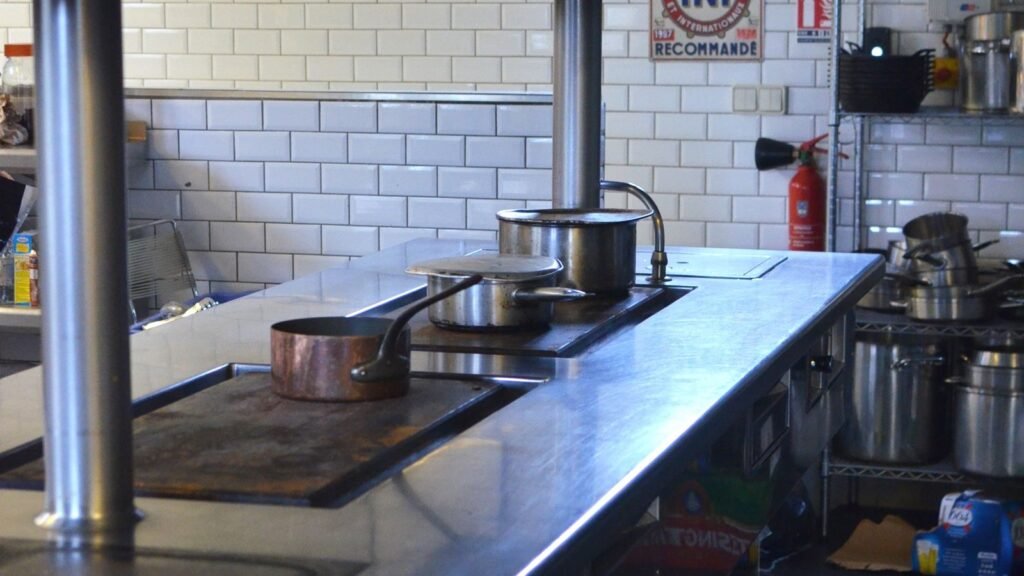
Every commercial kitchen has two levels of clean. There is the nightly close-down, where surfaces are cleared and sanitised, floors are mopped and the visible kitchen is put to bed ready for the morning. And there is everything the close-down never reaches, the grease migrating into extraction canopies, the carbon baking onto equipment interiors, the residue accumulating behind and beneath appliances that have not moved in a year. The first level keeps a kitchen running day to day. The second level is what deep cleaning exists for, and it is the level that inspectors, insurers and fire risk assessors care about most.
For restaurant owners, cafe operators, hotel and care home managers and anyone else responsible for a catering operation in Manchester, understanding what deep cleaning standards actually require is not optional knowledge. It affects your hygiene rating, your fire risk, your insurance position and the working conditions of your team. This guide explains the framework, what a proper deep clean covers, and how to schedule the work around a trading kitchen.
The Standards Behind the Expectations
The legal foundation is food hygiene law, which requires food premises to be kept clean and maintained in good condition, with surfaces, equipment and structures cleaned in a way that prevents contamination risk. Environmental health officers inspect against this framework, and their scoring feeds the food hygiene rating displayed on your door. Cleaning, and specifically the cleaning of the structure and equipment beyond daily reach, is one of the areas where ratings are most commonly lost, because it is where neglect is easiest to see. Professional standards and training for the environmental health field are maintained by the Chartered Institute of Environmental Health, whose published material is a useful window into how inspecting officers think about cleaning and contamination risk.
Alongside food law sits fire safety. Grease-laden extraction systems are one of the best known fire risks in commercial catering, and fire risk assessments and many insurance policies expect ductwork and canopy cleaning at defined intervals with documentation to prove it. A kitchen can pass its food inspection and still be carrying an uninsured fire risk overhead, which is why deep cleaning specifications treat extraction as a discipline of its own.
What a Proper Deep Clean Actually Covers
A genuine deep clean is defined by what it reaches rather than how long it takes. The specification should read like an inventory of everywhere the nightly clean does not go.
- Cooking equipment stripped and degreased, ovens, ranges, fryers, grills and salamanders, inside, behind and beneath
- Extraction canopies, filters and accessible ductwork degreased, with filters cleaned or replaced
- Walls, ceilings and doors washed down, including tiling, cladding and the high-level surfaces where grease condenses
- Floors deep cleaned into corners, under equipment and along drainage channels, with drains and gullies cleaned and flushed
- Refrigeration cleaned inside and out, including seals, condenser areas and the floors beneath units
- Shelving, racking, preparation tables and sinks dismantled where practical and cleaned to bright metal
- Wash-up areas, dishwashers descaled and cleared of scale and debris, and waste areas disinfected
Two details separate a real deep clean from an energetic surface clean. Equipment gets moved, because the strip of floor behind the fryer is exactly where inspectors shine their torches. And the work is documented, with a task-by-task record and often photographs, because in a regulated environment cleaning that cannot be evidenced barely counts as having happened.
How Often Deep Cleaning Is Needed
Frequency follows usage, not the calendar alone. A high-volume kitchen frying daily accumulates grease at many times the rate of a care home kitchen doing regeneration cooking, and the schedule should reflect that. As a working pattern, busy commercial kitchens typically need a full deep clean every three to six months, moderate operations every six months, and lighter kitchens annually, with extraction filter cleaning happening far more frequently in between, weekly or fortnightly in heavy-use sites.
The honest test is inspection by torchlight. Look at the canopy interior, the wall behind the range, the floor under the fryer and the top of the walk-in. If any of them would embarrass you in front of an environmental health officer, the interval is too long. Many operators align deep cleans with quieter trading periods, January and the summer holiday dip being the classic Manchester slots, so the kitchen loses no service days. New operators taking over an existing site should treat a full deep clean as part of the handover itself, both because the previous occupant’s standards are unknown and because starting your records with a documented baseline clean puts the whole compliance file on solid ground from the first day of trading.
Scheduling Around a Working Kitchen
Deep cleaning a trading kitchen is a logistics exercise. The work is usually done overnight or on closure days, sectioned so that the kitchen can hand over at close and take back possession before prep begins. Gas interlocks, electrical isolation and equipment cool-down all need building into the plan, and food must be protected or relocated while chemicals are in use. A competent contractor will survey the kitchen first, agree the specification line by line, and leave the kitchen rinsed, dried and food-safe rather than merely degreased.
Front of house deserves a mention in the same schedule. Dining rooms, servery areas and customer washrooms sit outside the kitchen specification but inside the customer’s judgement, and coordinating their deeper cleaning, floors, upholstery and communal areas, with the kitchen programme keeps the whole premises moving to one rhythm.
The Documentation That Protects You
In food businesses, paperwork is part of the clean. Your food safety management system should include cleaning schedules showing what is cleaned, how often, with what, and by whom, and deep cleaning certificates and reports slot directly into that system. When the environmental health officer asks how the extraction system is managed, the right answer is a dated record, not a recollection. When the insurer asks after an incident, the same file answers them, and it answers in dates and signatures rather than reassurances.
Expect a professional contractor to provide a completion report identifying the areas cleaned, any items that could not be completed and why, and any defects noticed during the work, damaged seals, failing cladding, pest evidence, because deep cleaning teams see parts of the kitchen nobody else looks at. That defect reporting is genuinely valuable early warning, and operators who read the reports catch maintenance problems while they are still small.
Common Failings Inspectors Keep Finding
The patterns in poor kitchens repeat so consistently that they amount to a checklist of what to avoid. Grease build-up at high level and inside canopies. Floors clean in the middle and filthy at the edges and under equipment. Cleaned surfaces above neglected drains. Cloths and equipment used across raw and ready-to-eat areas. Cleaning chemicals stored badly or decanted into unmarked containers. A written schedule on the wall that visibly does not match the kitchen around it, which is worse than no schedule, because it demonstrates the system exists but is not followed. Every one of these is solvable with a realistic specification and a contractor who actually delivers it, and our cleaning guides include further practical material for premises managers.
Choosing a Deep Cleaning Contractor for a Catering Environment
Kitchen deep cleaning is specialist work, and the selection questions are different from those for general premises cleaning. Ask whether the team has genuine catering environment experience, because a kitchen full of gas appliances, hot surfaces and food-contact equipment is not a place to learn. Ask how they manage chemical selection around food safety, how equipment is isolated and recommissioned, and what their process is when they find a defect mid-clean, a damaged door seal on a fridge, perished flooring, evidence of pests, since the right answer is documented reporting the same night rather than silence.
Insurance and references matter more here than in most cleaning categories, given the value of the equipment being handled and the regulatory weight of the environment. A credible contractor will show public liability cover without being chased, provide references from comparable kitchens, and walk your site before pricing anything. Be sceptical of any quote produced without a survey, because kitchens vary too much for honest flat rates, and the corners cut to make a blind quote work are always the corners behind the fryer.
Getting Your Kitchen to Standard and Keeping It There
A commercial kitchen that is deep cleaned on a proper cycle is easier to run in every respect. Daily cleaning gets faster because it is maintaining a standard rather than fighting decline, inspections stop being feared, kit lasts longer, and the fire and insurance position is defensible on paper. Exclusive Property Facilities provides commercial kitchen deep cleaning across Manchester, scheduled around your trading hours, delivered to an agreed written specification and documented for your food safety records, alongside our wider commercial cleaning services. If your kitchen is due its reset, or has never had a proper one, get in touch for a quote and we will arrange a survey.

Want this done properly at your property?
Tell us the building and the problem. We quote from a written specification, and contracts start with a three-month trial rather than a long tie-in.