End of Tenancy Cleaning for Landlords vs Tenants, Who Arranges What
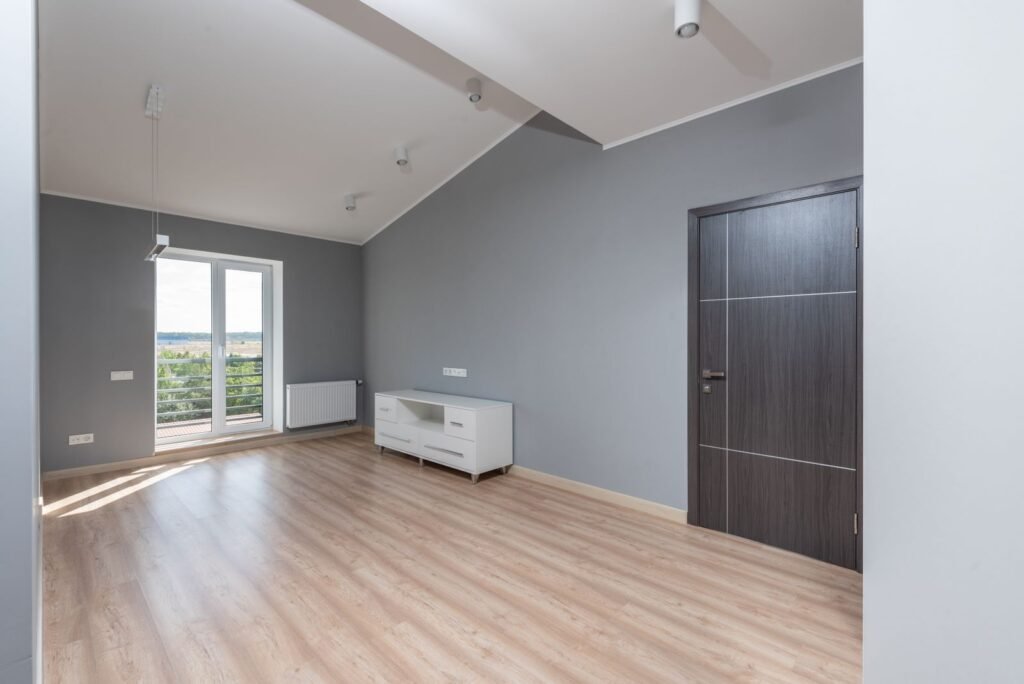
Cleaning is the number one cause of deposit disputes in England, ahead of damage, redecoration and rent arrears. That statistic, repeated year after year in deposit scheme reports, tells you something important, which is that most tenancies end with the two sides holding different assumptions about who was supposed to clean what, to what standard, and who pays when the standard is missed. The rules themselves are clearer than most people think. The disputes happen in the gap between the rules and what each side believed.
This guide walks through that territory from both directions. What a landlord can legitimately expect and claim, what a tenant is actually obliged to do, what changed with the Tenant Fees Act, and the practical sequence at the end of a tenancy that keeps everyone out of adjudication. Whether you are handing keys back or getting them back, the principles are the same, and they mostly come down to evidence and standards set at the start rather than arguments at the end.
The Legal Baseline Everyone Should Know
Since the Tenant Fees Act 2019 came into force, landlords and agents in England cannot require tenants to pay for professional cleaning as a condition of the tenancy, and clauses demanding a professional clean at check-out are unenforceable. What remains fully enforceable is the underlying obligation, which is that the tenant must return the property in the same standard of cleanliness it was in at check-in, allowing for fair wear and tear.
The distinction matters in both directions. A tenant is free to do the cleaning themselves, and if they genuinely match the check-in standard, no deduction is justified regardless of whether an invoice exists. Equally, a tenant who hands back a property dirtier than they received it is liable for the reasonable cost of bringing it back to that standard, and the landlord can claim that cost from the deposit with evidence. Landlord bodies such as the National Residential Landlords Association publish detailed guidance for members on exactly this framework, and the professional end of the lettings industry runs on it.
What the Landlord Arranges and When
The landlord’s responsibilities cluster at the start and between tenancies. Before a tenancy begins, the landlord sets the cleanliness benchmark, and the smart move is to set it deliberately, a full professional clean between tenancies, documented in a detailed check-in inventory with date-stamped photographs and, ideally, the cleaning invoice attached. That single decision does three jobs at once. It lets the property market and photograph well, it gives the incoming tenant a fair and unambiguous starting point, and it creates the evidence that wins any later dispute.
Between tenancies the landlord also picks up everything outside the tenant’s obligation, cleaning related to condition issues like damp, works-related mess from refurbishment, and the wear-and-tear refresh of carpets and decoration on whatever cycle the property needs. Landlords who let the between-tenancy clean slip and then rely on deposits to fund catch-up cleaning tend to lose at adjudication, because the check-in record shows the property was never at the standard being claimed for.
What the Tenant Arranges and When
The tenant’s job is defined by one document and one comparison. The document is the check-in inventory, and the comparison is between the property’s condition then and its condition at check-out. The practical approach is to work from the inventory room by room in the final week, after removals where possible, covering the jobs that check-out reports consistently flag.
- The oven, hob and extractor, the most commonly failed items in the property
- The fridge and freezer, defrosted, emptied and cleaned, with doors left ajar if being switched off
- Bathrooms descaled, not just wiped, including screens, tiles and shower heads
- Windows cleaned internally, sills and frames included
- Skirting boards, doors, switches and the marks of everyday living removed
- Carpets vacuumed thoroughly, and cleaned properly where the tenancy has left them beyond vacuuming
- All tenant belongings and rubbish removed, including from gardens, sheds and lofts
Tenants with pets, smokers, or long tenancies in the property should assume carpets and soft furnishings need real attention rather than a vacuum, because odour and embedded soiling are treated as cleanliness issues in adjudication. Many tenants simply book a professional end of tenancy clean for the day after removals, keep the receipt, and photograph everything once done. That is not legally required, but it converts the check-out from a risk into a formality.
Where Disputes Actually Come From
Read a year of adjudication case summaries and the same patterns repeat. Vague or missing check-in inventories, which sink landlord claims because there is nothing to compare against. Landlords claiming professional-clean costs on properties that were not professionally cleaned at the start. Tenants judging their own cleaning generously, particularly ovens, limescale and carpets, where the gap between domestic effort and check-in standard is largest. Odour disagreements, which are hard for tenants to self-assess because people acclimatise to their own homes. And timing failures, where cleaning was done but damp carpets or a mid-clean kitchen met the inventory clerk at check-out.
Almost every one of these is preventable with the same two habits, documentation at both ends, and honest standards in the middle. Adjudicators are not looking for perfection, they are looking for the check-in standard, evidenced, and they split awards routinely when both sides are partly right. It is also worth remembering that adjudication is evidence-only and paper-based, so whatever was not photographed, recorded or invoiced effectively did not happen as far as the decision is concerned, however vividly either side remembers it. The discipline of documenting as you go costs minutes and settles arguments before they start.
A Clean Handover Sequence That Works
For tenants, the sequence that avoids trouble is straightforward. Reread the inventory a fortnight out. Book any professional cleaning for after removals and before check-out, with a day’s margin so carpets are dry. Do the final walkthrough with the inventory in hand, photograph every room and the insides of appliances, and hand back all keys on time, since retained keys extend the tenancy and its obligations.
For landlords, mirror it. Attend or commission a proper check-out inspection promptly, compare like with like against check-in, and where deductions are justified, base them on itemised quotes or invoices for the specific shortfalls, not a generic full-clean figure. Then reset the benchmark for the next tenancy with a documented professional clean, including carpet cleaning where the floor coverings need it, so the cycle starts clean again both physically and evidentially.
Why Both Sides End Up Using Professionals
Notice the symmetry in everything above. The tenant’s cheapest insurance is a documented clean that unambiguously meets the standard, and the landlord’s strongest position is a documented clean that unambiguously sets it. Both point at the same service for the same reason, which is that an experienced end of tenancy team knows exactly what inventory clerks check, works to that checklist, and produces the paperwork that makes disputes evaporate. The cost scales with property size and condition, and it is consistently small against the sums that sit in dispute when a deposit is contested. Our cleaning guides break down the individual jobs, from ovens to limescale, if you want to gauge the scale of a particular property.
Special Cases That Catch People Out
A few situations sit outside the standard pattern and deserve their own handling. Furnished tenancies extend the cleanliness obligation to the furniture itself, so mattresses, sofas and curtains fall within the check-out comparison, and pet-permitting tenancies frequently carry specific, and post-2019 still lawful, requirements about the condition fabrics must be returned in, which tenants should reread before their final month. Houses in multiple occupation split responsibility between private rooms and shared spaces, and departing sharers should establish what the inventory says about communal areas before assuming the kitchen is somebody else’s problem.
Long tenancies also shift the calculation in the tenant’s favour more than most people realise. After five or six years of occupation, adjudicators expect substantial wear, redecoration falls due at the landlord’s cost in the normal cycle, and carpets may have exhausted their expected life entirely, meaning even genuine soiling can attract little or no award. The obligation to return the check-in standard of cleanliness never disappears, but what counts as fair wear grows with every year of the tenancy, and both sides should adjust their expectations accordingly rather than arguing from the standards of a twelve-month let.
Ending Tenancies Without the Argument
A tenancy that ends cleanly, in both senses, protects the tenant’s deposit, the landlord’s void period and everyone’s time. The rules reward preparation and evidence, and the properties that generate disputes are almost always the ones where nobody set a clear standard at the start. Exclusive Property Facilities provides end of tenancy cleaning across Manchester for tenants, landlords and letting agents, working to inventory standards with carpets, ovens and full-property cleans handled in one visit and documented for whoever needs the paperwork. Whichever side of the handover you are on, get in touch for a quote and we will fit the clean to your check-out date.


Want this done properly at your property?
Tell us the building and the problem. We quote from a written specification, and contracts start with a three-month trial rather than a long tie-in.