End of Tenancy Carpet Cleaning and Your Deposit
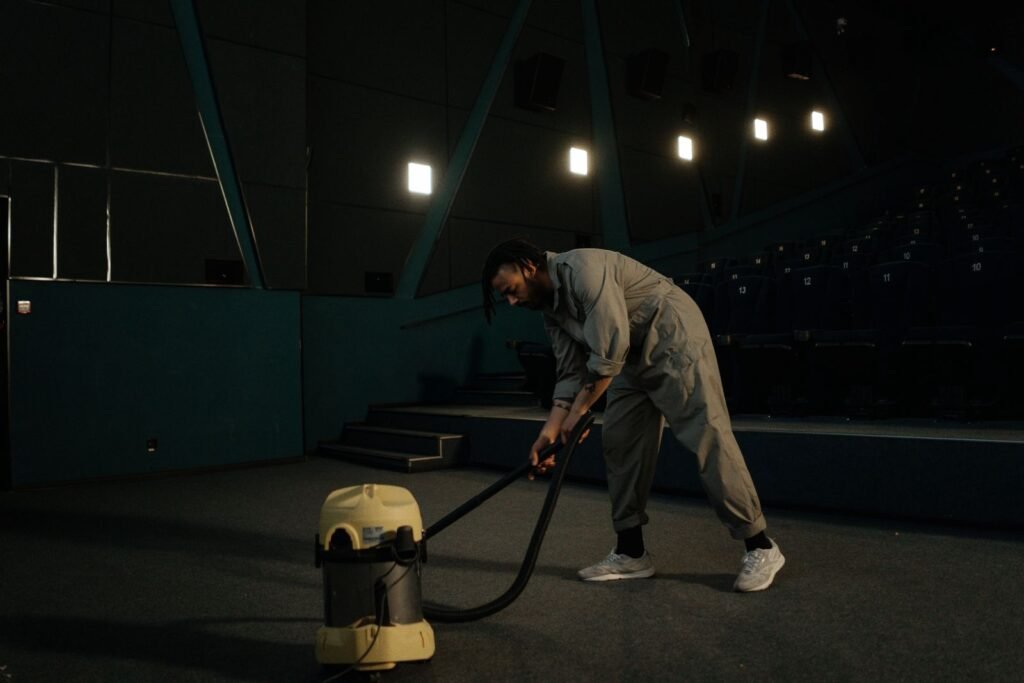
Ask any letting agent what causes the most friction at the end of a tenancy and carpets will be near the top of the list. They cover more floor area than anything else in the property, they record every month of the tenancy in their pile, and they sit right at the boundary between fair wear and tear, which a tenant cannot be charged for, and damage or soiling, which they can. A tenant who understands how this boundary works, and deals with the carpets properly before check-out, removes one of the biggest threats to their deposit in a single afternoon.
This guide explains how carpet condition is judged at the end of a tenancy, what landlords can and cannot deduct for, why the check-in inventory matters more than anything you do in the final week, and how professional end of tenancy carpet cleaning fits into it all. It is written for tenants first, but landlords will find the same rules working in reverse.
What the Law Actually Requires
The starting point surprises many people. Since the Tenant Fees Act came into force in England, a landlord cannot require a tenant to pay for professional cleaning as a blanket condition of the tenancy. What a tenant is obliged to do is return the property in the same state of cleanliness it was in at the start, allowing for fair wear and tear. If the carpets were professionally cleaned before move-in and the inventory records that, returning them in a comparable condition is a reasonable expectation. If they were merely vacuumed at the start, the bar at the end is the same.
In practice, this means the check-in inventory is the single most important document in any carpet dispute. Deposit adjudicators compare the recorded and photographed condition at check-in against the condition at check-out, and they decide on evidence, not on assertions. The Tenancy Deposit Scheme publishes guidance and case studies showing exactly how adjudicators approach cleaning and carpet claims, and the recurring theme is that well documented condition at both ends of the tenancy decides the outcome.
Fair Wear and Tear Versus Chargeable Condition
Fair wear and tear is the gradual deterioration that happens through normal living. A landlord cannot charge for it, and an adjudicator will not award for it. The line between wear and damage is drawn case by case, but the pattern is consistent.
- Usually fair wear and tear. Gentle flattening of pile in walkways, slight overall dulling of colour over a multi-year tenancy, minor shading differences where furniture stood.
- Usually chargeable. Drink and food stains, wax, ink, nail varnish, pet accidents and pet odour, burns and iron marks, paint spots, chewing gum, and heavy overall soiling well beyond the check-in standard.
- Depends on evidence. General grubbiness, odours, and traffic lane greying, where the age of the carpet, the length of the tenancy and the check-in record all weigh in the decision.
Adjudicators also apply betterment rules, meaning a landlord cannot end up better off than before. A tenant who badly stains a ten year old carpet will not be charged the price of a brand new one, because the carpet had already used most of its expected life. Deductions are apportioned accordingly, which is why claimed amounts often reduce substantially at adjudication.
Why Carpets Fail Check-Out More Than Anything Else
Most tenants clean hard before check-out, and most still underestimate carpets. A property can be spotless at eye level while the carpets quietly fail the inspection, because vacuuming only removes loose surface soil. Months or years of embedded grit, oily residues, spill remnants and odour sit in the pile below, and inventory clerks see the difference immediately. Pet households and smokers are caught most often, because odour is judged as a cleanliness issue and it cannot be vacuumed away or masked with fragrance for long.
The other classic failure is the amateur rescue attempt in the final week. Rented machines and supermarket shampoos used in a hurry leave carpets overwet, streaked or sticky with residue, and a carpet that smells damp at check-out reads worse than one that was simply vacuumed. If a carpet needs real cleaning, it needs it done properly and with time to dry fully before the inspection.
What Professional End of Tenancy Carpet Cleaning Involves
Professional cleaning for check-out is usually hot water extraction, which flushes the pile through with heated cleaning solution and immediately extracts it along with the suspended soil. Done well, it removes embedded grit, bonded oily soiling and most staining, lifts flattened pile and takes odour out at the source rather than covering it. Stubborn marks get specific pre-treatment, and honest cleaners will say up front which stains, such as old bleach spots or burns, are permanent damage no cleaning can reverse, because those are damage claims rather than cleaning issues.
Timing matters. The clean should happen after the property is otherwise finished and furniture is out, so the whole floor is accessible, and early enough that carpets are bone dry before check-out. Keep the receipt, and photograph every room in good light once the carpets are dry. That receipt and those photographs are precisely the evidence that wins disputes.
Advice for Tenants Planning Their Move-Out
Work backwards from the check-in inventory. Read it again, look at its photographs, and match the property to it room by room. Treat spills during the tenancy when they happen rather than saving them all for the end, because fresh stains lift and old ones set. Book carpet cleaning for a day or two before check-out, after removals, and pair it with the rest of the end of tenancy clean so the whole property comes up to standard together rather than a clean carpet sitting in a grubby room.
If you have pets, budget attention for odour specifically and say so when booking, because pet treatment is a distinct process. If the carpets were in poor condition at check-in, do not pay to fix history, but do make sure your own photographs prove the point.
Advice for Landlords Between Tenancies
For landlords, the calculation is about the next tenancy as much as the last one. A professionally cleaned carpet at check-in, recorded in the inventory with photographs, sets an enforceable standard for the whole tenancy and removes the ambiguity that loses adjudications. It also lets the property photograph better, let faster and start the new tenancy on the right footing. Where a departing tenant’s deposit claim is justified, quotes and invoices from a professional firm carry far more weight with adjudicators than an estimate written on headed paper.
Between tenancies is also the cheapest moment to deal with carpets honestly. A carpet that is genuinely at the end of its life is better replaced than cleaned repeatedly, and a professional cleaner will tell you which situation you have rather than taking the booking regardless. There is more on how the pieces of a changeover fit together in our cleaning guides.
What Affects the Cost
Pricing for end of tenancy carpet work follows the job, not a flat national rate. The number of rooms and staircases, the fibre and condition of the carpets, the presence of pet odour or heavy staining, and access and parking at the property all move the quote. Combining carpet cleaning with a full end of tenancy clean is usually better value than booking the two separately, because the team and equipment are already on site.
Timing the booking is worth a moment of planning. Demand for end of tenancy services in Manchester peaks at month ends, around the summer student changeover and immediately before bank holidays, and the best slots go early. Booking a week or two ahead secures the day you actually need, which matters when the sequence is tight, removals out, carpets cleaned, a drying day, then check-out. Leaving it to the final forty-eight hours risks either paying for urgency or compromising on a date that leaves carpets damp at inspection, and damp is the one state you never want an inventory clerk to record.
One further point tenants often miss is furniture. Carpets clean best in empty rooms, and marks hidden under beds and sofas for years only come to light once the removers have been. Where possible, walk the empty property before the cleaning visit and photograph anything newly revealed, because knowing about a mark in advance lets the cleaning team pre-treat it properly rather than discovering it with an hour left on the job.
Protecting Your Deposit the Straightforward Way
Deposit disputes are stressful, slow and usually avoidable. Clean carpets, documented with a receipt and photographs, close off the single most common ground for deduction before it opens. Exclusive Property Facilities provides end of tenancy carpet cleaning across Manchester, on its own or as part of a full check-out clean, with honest advice about what will and will not come out. If you have a move-out date in the diary, get in touch for a quote and we will schedule the work so everything is dry and inspection-ready on time.


Want this done properly at your property?
Tell us the building and the problem. We quote from a written specification, and contracts start with a three-month trial rather than a long tie-in.