After Builders Dust, Why It Lingers and How Professionals Remove It
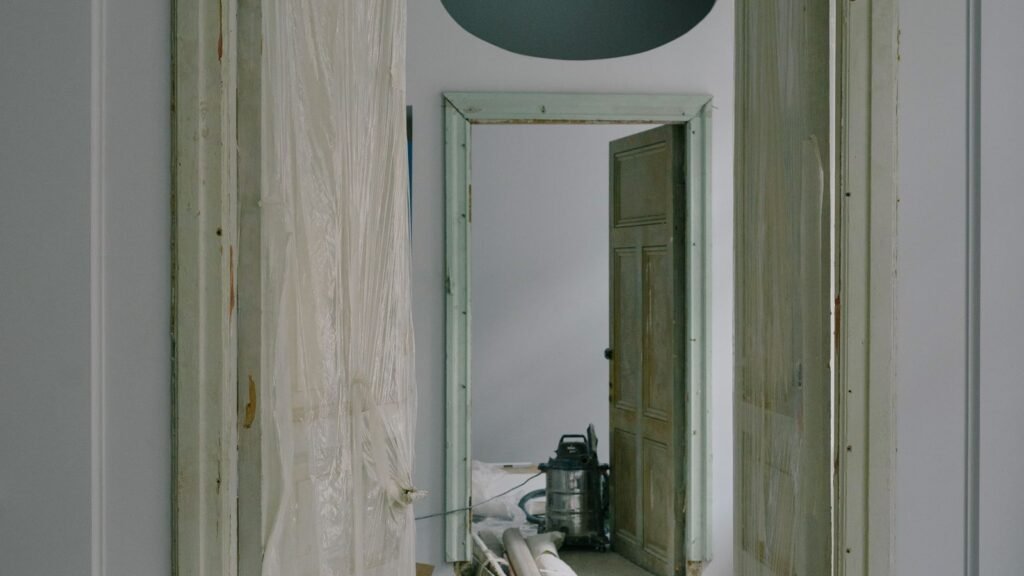
The builders have gone, the skip has been collected, and the new kitchen or extension looks wonderful. Then you wipe the windowsill, and by the next morning it wears a fresh grey film. You wipe it again, and again the film returns. Every household that has been through renovation knows this stage, the weeks after the work ends when the house seems to manufacture dust out of nothing. It settles on shelves you cleaned yesterday, greys the laminate, crunches faintly underfoot on the stairs and turns every sunbeam into a slow-motion snow globe.
The frustrating truth is that ordinary cleaning barely touches builders dust, and in some cases makes it worse. Construction dust is physically different from household dust, it hides in places domestic cleaning never visits, and removing it properly is a staged process rather than a big weekend effort. This guide explains what you are actually dealing with and how a professional after builders cleaning team removes it for good.
What Makes Builders Dust Different
Household dust is mostly soft material, skin cells, textile fibres and everyday grime. Builders dust is mineral. Cutting, drilling, sanding and demolition produce enormous quantities of pulverised plaster, cement, brick, stone, timber and plasterboard, and the particles range from visible grit down to fractions of the width of a hair. The finest fraction is the problem. Particles that small stay airborne for hours, travel on the slightest air movement, and pass through the gaps around closed doors, which is why rooms nowhere near the work still end up coated.
The fine fraction also behaves badly on surfaces. Plaster and cement dust are mildly abrasive, so dry-wiping them scratches glass, high-gloss kitchen doors and polished surfaces. Wet-wiping a heavy layer turns it into a smeared paste that dries as a haze. And because the particles are so light, an ordinary vacuum without fine filtration ingests them at the floor and blows a proportion straight back into the room air through its exhaust, which is the single biggest reason DIY after-build cleaning feels endless.
Why It Keeps Coming Back After Every Clean
The reappearing-dust phenomenon has a simple mechanism. At any moment, only part of the dust in a post-renovation house is on the surfaces you can see. The rest is airborne, or resting in reservoirs, on top of kitchen units and door frames, inside ventilation grilles and extractor fans, on light fittings, curtain poles and the upper faces of every pipe and cable run, inside carpets and soft furnishings, and sitting in the radiator fins waiting for the heating to come on. Each time the house is disturbed, walking, doors opening, heating cycling, vacuuming with the wrong machine, a fresh instalment lifts from the reservoirs, rides the air and settles on your just-cleaned surfaces.
Cleaning only the visible layer, however energetically, never empties the reservoirs, so the cycle repeats for weeks. The professional approach works because it attacks the reservoirs first, from the top of every room downwards, with equipment that captures fine particles instead of recirculating them.
The Health Dimension Worth Taking Seriously
Construction dust is not just a nuisance. On working sites, exposure to fine mineral dusts is a regulated health matter, and the Health and Safety Executive publishes extensive guidance on construction dust, including the risks of silica-containing dusts from concrete, brick and stone and the controls that protect workers who cut and drill these materials daily. A householder’s exposure after a domestic renovation is far lower than a tradesperson’s, but the underlying point carries across, fine mineral dust is not something to breathe for weeks on end, and households with asthma sufferers, young children or older residents notice the irritation quickest, in scratchy throats, coughs and streaming eyes.
This is a genuine argument for dealing with the dust properly and promptly rather than letting it dissipate over a couple of months. It is also an argument for the right method, since aggressive dry sweeping and underpowered vacuuming raise the airborne concentration precisely where the family is living.
How Professionals Remove It, Stage by Stage
A professional after builders clean is a sequence, and the sequence is the method.
- Assessment and ventilation. Working out where the reservoirs are, protecting anything delicate, and getting controlled airflow through the space.
- Top-down dry removal. Every room worked from ceiling height downwards, tops of units, frames, fittings, grilles, sills and walls, using fine-filtration vacuums that trap dust rather than recycling it.
- Detail vacuuming. Tracks of windows and doors, hinges, sockets and switches, stair treads, skirting tops, radiator fins, inside cupboards and drawers where dust drifted in.
- Damp cleaning. Only once the dry load is captured, surfaces are damp-wiped with frequently changed cloths and water, then finished, so paste and haze never form.
- Floors last, and twice. Hard floors detail-vacuumed then cleaned, carpets deep vacuumed with fine filtration, and a second pass after settling time catches the final airborne fraction.
- Glass, sanitaryware and paint spots. Windows polished, protective film residue removed, and mortar splashes, paint spots and adhesive dealt with using methods that do not scratch.
On larger projects the work is often split into two visits, a heavy first clean once trades finish, and a sparkle clean a few days later after the last airborne dust has settled, which is the stage that finally makes the house feel finished. This staged pattern is standard on commercial handovers, where a builders clean is what stands between practical completion and a client walkthrough, and it works just as well in a three-bed semi.
What You Can Usefully Do Yourself
If you are between the builders leaving and the cleaners arriving, a few things genuinely help. Keep internal doors closed to limit migration, and ventilate the worked-on rooms to the outside rather than through the house. Change or clean the filters on any extractor fans that ran during the work. Wash textiles that can be washed, curtains, cushion covers and throws from affected rooms, because fabric holds a surprising dust load. Resist the urge to dry-dust polished and glass surfaces, and if you must clean before help arrives, vacuum gently with the best-filtered machine you have rather than sweeping, which simply relaunches the fine fraction into the air.
What is not worth doing is the full-house scrub in week one. Cleaning ahead of the settling process means doing the same rooms twice, and doing them with domestic equipment means fighting the recirculation problem the whole way.
When the Dust Has Reached Carpets and Fabrics
Renovation dust that reaches carpets, sofas and beds needs more than surface vacuuming, because fine mineral particles work down into pile and fillings and then dull the fabric and grind at the fibres every time they are used. Deep vacuuming with proper filtration recovers most of it, and where the soiling is heavy, extraction cleaning of carpets and upholstery finishes the job and revives the texture at the same time. Mattresses in rooms adjacent to major work deserve a thorough vacuum at minimum. If the renovation was substantial, folding this fabric work into the after builders clean is far more efficient than booking it separately later, and our cleaning guides cover the individual jobs in more depth.
Agreeing Who Cleans What With Your Builder
A surprising number of post-renovation disputes come down to two different definitions of the word clean. To most building firms, a broom-clean handover means rubble removed, floors swept and the site safe, and that is a fair professional standard for a construction trade. To the household, clean means the house they can live in, which is a different job entirely. The gap between the two is exactly the territory this article describes, and it is worth closing in writing before the project starts rather than discovering it on handover day.
The practical fix is to agree at quotation stage whether the builder’s price includes a professional-standard final clean, and if it does, what that covers, or whether the household will arrange its own after builders clean once trades are off site. Arranging it independently is often the better outcome anyway, since a dedicated cleaning team brings the filtration equipment and the staged method that a subcontracted site labourer with a shop-bought vacuum does not. Either way, the sequencing matters, snagging trades finishing before the final clean, because a plumber returning after the sparkle clean to drill one more hole restarts the dust cycle in that room.
Getting Your Home Back After the Builders
A renovation is only really finished when you stop finding it on your fingertips. Professional after builders cleaning exists because construction dust genuinely does need different equipment, a different sequence and more patience than routine cleaning, and because after weeks of disruption most households would rather have their evenings back. Exclusive Property Facilities provides after builders cleaning across Manchester for homes and commercial projects alike, from single-room refits to full renovations, staged so the dust is removed once and stays gone. If your project is nearing completion, get in touch for a quote and we will time the clean to follow your trades out of the door.

Want this done properly at your property?
Tell us the building and the problem. We quote from a written specification, and contracts start with a three-month trial rather than a long tie-in.