Natural Stone Floor Cleaning in a Managed Building
Natural stone floor cleaning starts with knowing what is underfoot. A polished entrance floor may look tough, but its appearance does not tell a cleaner which products are suitable. Marble, limestone, granite and manufactured tiles should not receive one treatment simply because they share a reception area.
For a managed building, the first useful job is to assemble the floor information. Find the material specification, finish, previous treatments and supplier’s care advice. Then agree a cleaning method for that surface. This guide explains the questions to settle before a routine visit becomes an experiment on an expensive floor.
Identify the material before selecting a product
The Natural Stone Institute’s care and cleaning guidance begins with understanding the stone. It warns that acids can damage calcium-based stone and that acidic cleaners are not recommended even for many more resistant stones. Neutral products and the supplier’s instructions provide the starting point for a suitable routine.
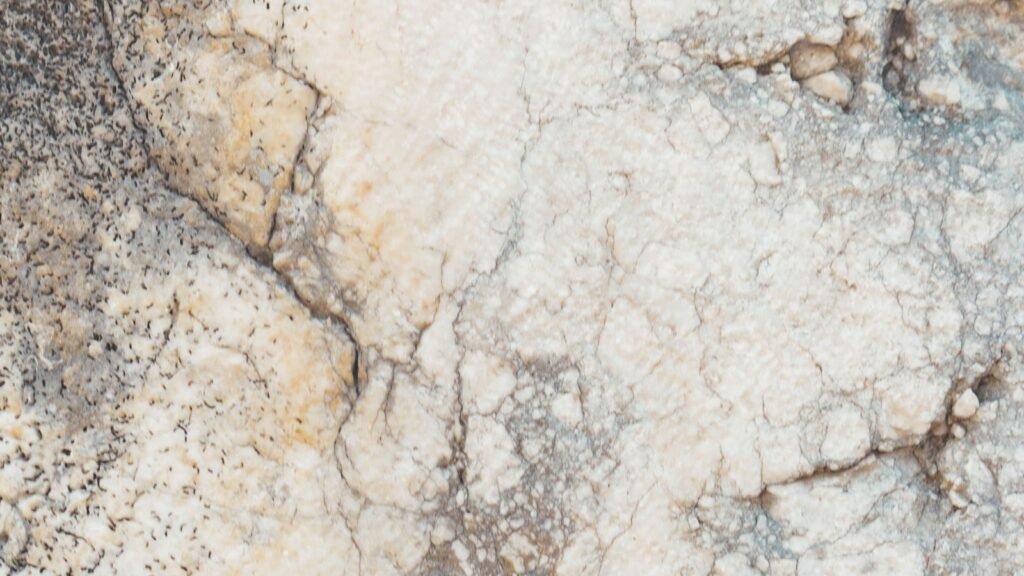
A photograph may help a supplier recognise a product, but it should not replace the installation record when that record is available. Ask the building owner, installer or previous manager for the specification. Keep any confirmed identification with the cleaning brief so each new contractor does not have to guess again.
If the material remains uncertain, say so when requesting a survey. Describe it as an unidentified stone or tile rather than assigning a confident name from its colour. A practical first instruction is to pause any proposed treatment whose suitability depends on that missing identification.
Record the finish and the work already done
The cleaning brief needs more than a stone name. Record whether the surface has a polished or textured finish, where it is installed and what treatments are known. Include the supplier’s instructions for any coating or protective treatment that has been applied.
Ask for product names and dates from the previous contractor where records exist. An instruction to continue the usual product means little to a replacement team. A labelled record is easier to check than a verbal description such as the clear liquid in the store cupboard.
Take condition photographs before a change of contractor or method. Include existing chips, marked edges, dull patches and any stained areas. These images create a shared starting point for discussing results. They do not establish the cause of damage, and they should not be used to assign blame without further evidence.
At the survey, separate the normal floor area from any local problem that needs assessment. This helps a quotation distinguish routine commercial stone floor cleaning in Manchester from investigation or restoration work.
Describe the result you are buying
A request to make the floor look new can conceal several different expectations. The manager may mean removing tracked-in soil, dealing with a particular stain or restoring a worn finish. State which outcome is being requested before agreeing a price or method.
Routine cleaning and stone restoration are different scopes. The Natural Stone Institute distinguishes stains from etching and refers damaged finishes to stone professionals. Extra cleaning should not be treated as a guaranteed remedy for every dull mark. Ask the contractor to identify anything that needs a separate specialist opinion.
Agree how the ordinary cleaning result will be reviewed. Choose a representative area and view it under the lighting normally used in the building. Record what is included, what remains uncertain and what has been excluded. A written scope avoids a later disagreement about a result that was never promised.
Build the entrance routine around the actual building
Entrance floors see a different pattern of use from an upstairs landing. Map the doors people use, the route from the car park and the places where deliveries wait. Use those observations to discuss visit timing and the areas needing attention between scheduled cleans.
The Natural Stone Institute notes that grit can scratch stone and that suitable entrance matting helps reduce what reaches the floor. It also warns about worn vacuum attachments. Translate those points into a practical routine for the actual entrance rather than adding an unsupported promise about a particular machine.
Record who checks the entrance area during the day. A contract visit may finish before the busiest delivery period starts. The site contact and cleaner should understand where their responsibilities meet, especially when a spill or muddy footprint appears between visits.
Discuss these details alongside the wider communal cleaning schedules for Manchester managed buildings. Reception, lifts and stair landings may need coordinated access even when their surfaces require different care.
Make product instructions available to the team
Keep the approved product name and its current instructions with the working method. Staff should not need to choose between several unlabelled containers or reconstruct a dilution from memory. Follow the manufacturer’s directions rather than adding extra concentrate in the hope of a better finish.
A product suitable for one part of the building is not automatically suitable for another. Identify the stone areas clearly in the brief. If a washroom and reception share the same cleaning visit, make the different surface instructions easy to find and follow.
Any proposed product change should be checked against the floor and treatment information. Ask why the change is suggested and how suitability will be established. Where a test area is appropriate, agree its location and approval process before extending the method across the floor.
Record the decision so temporary staff and future contractors receive the same information. A successful trial has little value if the person covering next week’s visit does not know which product was approved.
For a reception containing several surfaces, mark their boundaries on a simple location plan. Name the stone entrance, adjacent tiles and any timber threshold separately. Match each area to its own care record. This helps a replacement cleaner follow the approved method without treating every surface reached during the same visit as one floor type.
Decide what happens when a spill is reported
Give building staff a simple route for reporting a spill. They should identify the place and, if known, the substance involved. Information about what was spilled may help the responsible contractor choose an appropriate response. Guessing at the substance can make the handover less useful.
For ordinary spill care, the Natural Stone Institute advises blotting rather than spreading the liquid. The site’s own procedure should explain who can act and which materials are suitable. Do not turn a general tip into permission to handle an unknown or hazardous substance.
If a mark remains, record it and seek advice. Avoid several people applying different products before anyone understands the original problem. Tell the contractor what has already been used. That history may be more useful than a claim that the mark appeared for no reason.
Keep any access restriction clear while the affected area is being dealt with. The person responsible for the building should know when the task is complete and whether further assessment is still needed.
Treat sealing as a separate decision
Sealing should not appear in a routine cleaning quote as an unexplained cure-all. Ask what product is proposed, why it is appropriate for this stone and whether the supplier recommends it. The Natural Stone Institute says sealing can improve stain resistance without making stone stain-proof.
Find out whether an earlier treatment is present and how the new proposal relates to it. Ask for the preparation requirements, access arrangements and aftercare instructions. Those details should be specific to the selected product and floor, rather than a general promise copied from another project.
Keep the completed treatment record with the building information. It should identify the area treated, the product and the instructions supplied. Future cleaning decisions can then refer to the actual work carried out instead of relying on a recollection that the floor was sealed once.
Arrange access without disrupting the whole premises
A useful booking identifies which doors and routes are affected and when people need them. Tell the contractor about reception hours, deliveries and any events. Ask how the work area will be managed and who will confirm that the normal route can be used again.
Where several trades are attending, agree the sequence. There is little value in judging a finished cleaning result while other work is still leaving material on the floor. The building contact should coordinate the timing and describe any activity that may affect the agreed scope.
This planning also belongs in a wider commercial cleaning contracts for Manchester premises. The schedule should reflect the premises and its users, while the surface method remains tied to the confirmed floor information.
A short briefing record for the next visit
Can appearance alone identify the floor material?
Do not rely on its colour or polish. Find the installation information and supplier’s care instructions before choosing a material-specific treatment.
Does a stronger product guarantee a better result?
No. Use the selected product according to its directions and the floor’s care information. Extra concentrate is not a substitute for a suitable method.
Can routine cleaning repair an etched finish?
Do not promise that outcome through an ordinary clean. Obtain the appropriate stone specialist’s assessment where the finish itself is affected.
Does sealing make stone stain-proof?
The Natural Stone Institute describes improved stain resistance rather than a stain-proof surface. Discuss the actual stone and proposed treatment with its supplier.
What should the next contractor receive?
Provide the material and treatment records, accepted tasks, access arrangements and known condition. Keep any restoration or repair requirement separate.
Before approving the work, check that the brief names the material, finish, known treatment and agreed cleaning method. Add the access contact, existing condition notes and the way concerns will be reported. Keep specialist repairs and restoration decisions clearly separate from routine cleaning.
To discuss a floor at your property, contact Exclusive Property Facilities about natural stone floor cleaning in Manchester with the location, photographs and any supplier information available. Describe the outcome you need and ask what assessment is required. The useful starting point is a confirmed surface and a clear scope, not a stronger bottle chosen by guesswork.

Want this done properly at your property?
Tell us the building and the problem. We quote from a written specification, and contracts start with a three-month trial rather than a long tie-in.