Cleaning After a Flood in a Rental and Planning the Handover

Cleaning after a flood is not an ordinary end-of-tenancy job. Safe access, electrical checks, contamination, drying and repairs may all need decisions before a cleaner can begin. A room that looks tidier is not necessarily ready for occupation. Start with the safety advice for the incident and the people qualified to assess the property.
This guide is for landlords and managing agents planning the cleaning handover at a Manchester rental. It separates the different work packages and the information each contractor needs. It does not provide permission to enter a flooded building or imply that a routine cleaning company provides emergency flood restoration.
Establish safe access before booking the clean
Follow the emergency services’ advice about returning to the property. GOV.UK advises checking that it is safe to return after a flood. Do not send a cleaner in simply to find out whether the building is ready. The access decision belongs with the incident response and relevant competent professionals.
The UK Health Security Agency’s flooding and health guidance warns about contaminated water, hidden sharp objects and electrical hazards. It says wet gas and electrical equipment should be checked by qualified technicians before being turned on. Fuel-powered generators must not be used indoors.
Record who confirmed access, what area the confirmation covers and whether any restrictions remain. A statement about one room should not be assumed to cover a cellar, plant room or neighbouring flat. Give each attending contractor the relevant information before the visit is agreed.
If the situation changes, update the contact responsible for attendance. A new leak, power concern or change in access can affect the planned work. Make it easy for the contractor to pause and ask, instead of treating the original booking as permission to proceed regardless.
Describe the incident without guessing at contamination
A contractor needs to know what is known about the water and the areas affected. Explain when the incident happened, which spaces were entered by water and what work has already taken place. Distinguish confirmed information from a neighbour’s suggestion or an assumption about the source.
Include any assessment provided by the relevant specialist. If sewage contamination is suspected, say that clearly and seek appropriate advice about the response. Do not conceal that concern inside a request for a general deep clean. The contractor needs an accurate description before deciding whether it can accept the task.
Keep a simple room list. For each area, note the observed condition, access restriction and person responsible for the next decision. This is a coordination aid, not a technical inspection certificate. It helps prevent a contractor being sent to a room still awaiting assessment.
Photographs can support that record where they can be taken safely. Avoid entering a restricted area to improve the image set. A written note that an area has not been accessed is more honest and useful than a photograph obtained by ignoring the safety advice.
Separate restoration, drying, repairs and cleaning
Write down the distinct tasks before seeking quotations. Emergency water removal, specialist decontamination, drying, repairs and final cleaning may involve different providers. One contractor may cover several tasks, but that needs express confirmation rather than an assumption based on its business name.
Ask each provider to explain the work it accepts and the work it excludes. Identify the information it needs from the preceding trade. For example, a later cleaning visit may depend on completion of an electrical check or a specialist’s assessment. Record the dependency rather than simply giving everyone the same arrival date.
Where repair work is also being discussed, ask which repairs are included and who will authorise them. A cleaning quotation should not silently absorb building repairs, nor should a repair completion note be treated as confirmation that cleaning has been completed.
A single schedule can bring the work together without hiding those boundaries. List the task, owner, access requirement and completion evidence expected. Update it when a finding changes the sequence. The purpose is a usable handover, not a promise that every job can follow the first proposed timetable.
Agree what stays and what is removed
Belongings, floor coverings and damaged fittings can create difficult decisions. Clarify who has authority to decide what is retained, assessed or discarded. Do not ask a routine cleaner to make those decisions while working through the property.
Keep instructions specific. A direction to clear everything may be interpreted differently by the tenant, landlord and contractor. Identify the items or areas covered and record any decision still waiting for the owner, insurer or restoration provider. Follow the relevant advice before disposal where evidence may be needed.
Use labels or a written item list if that is practical and safe. Do not rely on a verbal conversation with someone who will not be present during the work. Where several flats are affected, keep their instructions separate so items from one household are not treated under another household’s decision.
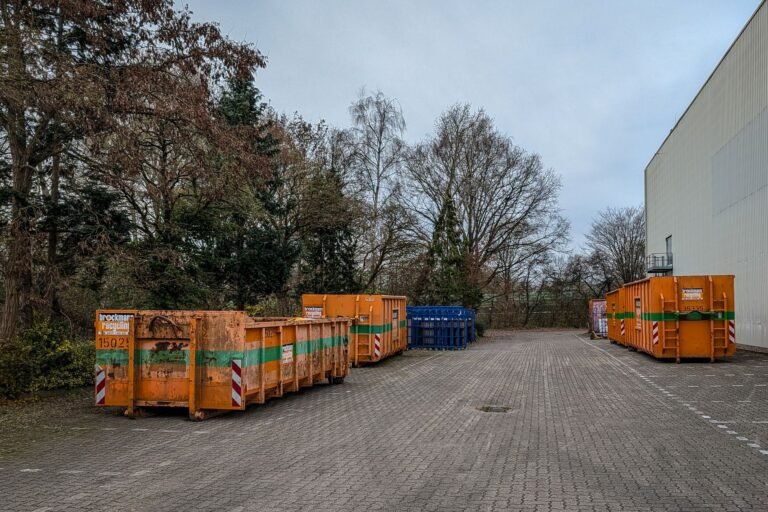
Agree who arranges collection of discarded material and what the receiving service will accept. The cleaning team should know which material is outside the ordinary waste arrangement. A full room can only be handed over accurately when the removal task and its boundary are understood.
Do not replace a drying assessment with a date
A preferred move-in date does not establish that the property has dried sufficiently. Ask the relevant provider how drying is being assessed and what evidence will be supplied. The appropriate method and timescale depend on the property and the incident, so this guide gives no fixed number of days.
UKHSA identifies heating, ventilation and dehumidifiers as possible aids to drying. The equipment and building conditions still need appropriate assessment. Follow professional instructions and the equipment’s safety requirements rather than choosing settings from another property’s experience.
Keep drying equipment under the control agreed with its provider. If another trade needs it moved or switched off, arrange that through the responsible contact. A cleaning team should not alter a specialist’s setup merely to reach an awkward corner.
Record any rooms excluded from the next cleaning visit because drying or repair work continues. This keeps the booking realistic. It also prevents an incomplete visit being described as a complete property handover when part of the building was never ready for it.
Write the final cleaning scope room by room
Once the earlier requirements are satisfied, describe what the cleaning visit is meant to achieve. List the accessible rooms, surfaces and fittings included. Note any remaining restrictions, damaged surfaces or materials requiring a particular care method.
UKHSA gives advice on cleaning hard surfaces, contaminated textiles and hygiene after floodwater contact. It also advises specialist help where mould persists. Use the relevant technical guidance and assessment when deciding the scope. A general checklist is not a substitute for a contamination-specific plan.
Ask whether the requested surface cleaning for Manchester rental properties task is within the provider’s competence and agreed service. Explain the flood history even if specialist work has already been completed. Share the completion information so the provider can make an informed decision.
Define what will be checked at the end of the visit. Include the rooms actually available, any exclusions and any follow-up needed. Avoid a blanket description such as fully restored when the booking covers only final surface cleaning.
Give the tenant a useful update
A tenant needs to understand what is happening and which information is confirmed. Explain the current stage of work, the responsible contact and the next planned update. Where a return date remains uncertain, say so rather than turning a provisional contractor booking into a promise.
Keep technical sign-offs separate from service updates. A cleaner can report the work completed within its scope. That does not make the cleaner responsible for certifying electrical safety, structural condition or the suitability of the home for occupation.
UKHSA recognises that flooding can affect wellbeing as well as the building. Clear, consistent communication is a practical part of the response. Avoid asking residents to repeat the same account to every contractor if the relevant information can be shared appropriately through the appointed contact.
Keep the tenancy clean distinct from flood recovery
If a tenancy is ending at the same time, record the separate reasons for the work. An Manchester end-of-tenancy cleaning specification describes a different context from flood recovery. Combining them into one vague instruction can obscure which rooms and tasks belong to each booking.
This article does not decide liability, insurance cover or deposit deductions. Those questions need the applicable agreement, evidence and appropriate advice. The cleaning record should accurately describe the condition observed and the work undertaken, without adding conclusions outside the contractor’s role.
Keep the relevant photographs, scope and completion notes together. A clear record helps later discussions because everyone can refer to the same work description. It should distinguish what was completed from what another provider still needed to assess.
Finish with a complete handover record
Can a routine clean replace flood restoration?
No. Confirm the specialist recovery work and assessment separately. A routine visit should cover only the tasks the provider accepts under the confirmed conditions.
Does a provisional cleaning date prove the home is ready?
No. Access and drying decisions need the relevant assessment. Share restrictions before arranging attendance rather than use a booking date as a sign-off.
What information should accompany the enquiry?
Give the incident history, affected rooms, completed assessments and proposed surface tasks. Identify anything still awaiting another provider’s decision.
Who decides which belongings are discarded?
Confirm the authorised owner or responsible contact and relevant advice. Do not leave disposal decisions to a routine cleaner without specific instructions.
Can the record certify the property for occupation?
A cleaning record describes the accepted work and exceptions. Keep electrical, structural and other technical decisions with the appropriate qualified people.
Before closing the cleaning booking, confirm the rooms attended, tasks completed, exclusions and unresolved findings. Name the person receiving the handover. Make sure any outstanding repair, drying or specialist issue has an owner rather than disappearing into a general statement that the property has been cleaned.
For a routine cleaning enquiry after the property has been assessed, contact Exclusive Property Facilities through a project-specific cleaning enquiry for your rental with the incident history and proposed scope. Emergency recovery and specialist decontamination must be confirmed separately. The next useful step is a safe, clearly defined work package that the receiving contractor can assess.

Want this done properly at your property?
Tell us the building and the problem. We quote from a written specification, and contracts start with a three-month trial rather than a long tie-in.