Office Cleaning in Trafford and Trafford Park
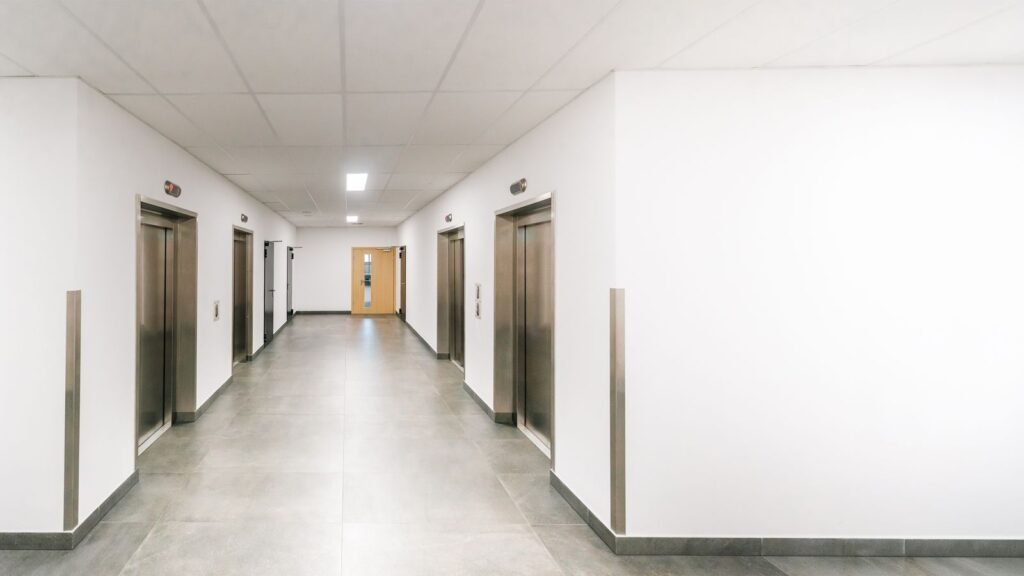
Office cleaning in Trafford starts with a clear scope, not a guessed number of hours. A useful brief explains which rooms need attention, when work can happen and how the result will be checked. It also gives each provider the same information, so proposals can be compared fairly across Trafford and Trafford Park.
Use this checklist before requesting a proposal. It helps separate routine cleaning from periodic tasks, identify access questions early and size the work around the actual building. The final schedule should reflect the rooms, people and operating pattern at your address.
Decide what the cleaning should achieve
Begin with the result people need from each area. A reception may need to look ready before visitors arrive. A meeting room may need a reset between booked sessions. Staff kitchens and washrooms need a regular routine that fits their use. These are different requirements, even when they sit on the same floor.
Write down what is causing concern today. It could be missed tasks, an awkward cleaning window, unclear responsibility for shared rooms or a routine that no longer fits attendance. Describe the problem in plain terms. A provider can then suggest a scope that addresses it instead of adding hours without a defined purpose.
Separate essential tasks from occasional work. Routine cleaning keeps agreed areas in order. Periodic work may cover internal glass, high level dusting or a deeper floor treatment. Keeping these items separate makes the regular schedule easier to assess and prevents a one off task from being mistaken for part of every visit.
Build a room by room task list
Walk the workplace in the same order each time. Note the room name, its purpose, approximate size and the surfaces that need attention. Include shared spaces as well as private offices. A room that looks minor on a plan can take meaningful time if it has frequent use or several different surfaces.
A first inventory might cover these areas:
- Reception, entrance routes and visitor seating.
- Private offices, open work areas and meeting rooms.
- Kitchens, tea points and staff break areas.
- Washrooms, changing rooms and other shared facilities.
- Stairs, corridors, lifts and internal glass.
- Stores or staff rooms that are included in the requested scope.
For each room, list the task rather than writing only its name. “Meeting room” is not a cleaning instruction. “Empty bins, wipe clear tables, spot check the door glass and vacuum the floor” is easier to quote and review. Add any surface that needs a different method, such as a polished desk, fabric chair or hard floor.
State what is excluded as clearly as what is included. For example, a provider should know whether desks will be cleared before cleaning, whether staff handle dishes and whether internal windows are part of the routine. Exclusions prevent small assumptions from becoming recurring disagreements.
Describe the building and the way it is used
Floor area helps with a proposal, but it does not describe the whole job. A quiet office with open routes can be different from a smaller workplace with several kitchens, high visitor turnover or rooms that are occupied late. Give the provider enough context to understand the work, without sending confidential employee information.
Explain the usual operating pattern. Note when staff arrive, when visitors use reception and whether teams work on site throughout the week. If attendance changes by day, say so. A schedule can then account for the rooms that are active on particular days instead of treating every visit as identical.
Tell the provider about the materials and layout that affect cleaning. These may include carpet tiles, sealed hard floors, glass partitions, shared desks or narrow storage areas. Mention access to water and power only if it is relevant to the requested work. A site visit can settle details that are hard to describe by email.
Where the office sits within Trafford Park or another business estate, identify the exact entrance and any site specific arrangements. Ask whether visitor registration, loading access, security instructions or a restricted arrival window apply. Do not assume that every unit uses the same route or rules. Put confirmed details into the brief before the schedule is agreed.
Agree access and cleaning times
Access is part of the specification. Decide who can let the cleaning team in, which doors they may use and who can answer a question if a room is unavailable. If the building has an alarm or key process, agree how it will be handled before the first visit. Keep private codes out of general email chains.
Choose a cleaning window that fits both the work and the people using the building. Before opening may suit some areas. Evening work may suit others. A provider should know which rooms remain occupied, which can be cleaned only when empty and whether a weekend visit is possible for occasional tasks.
Include the practical limits. A meeting room may be booked until late. A kitchen may be busiest at lunch. A reception might need a quiet approach during visitor appointments. These details help the provider propose a sequence that avoids avoidable disruption.
For a multi tenant or managed site, clarify who approves access and who owns each shared area. Ask whether a building contact must be present for a first visit. Confirm where equipment can be stored, if storage is available, and what should happen when the normal route is blocked. Agree the contact method for a missed entry or a changed schedule.
Choose frequency from use and priority
Do not choose a frequency by copying another office. Start with how each area is used and the result it needs. A washroom, a meeting room and a low traffic office may need different attention. Your provider can explain the time and task trade offs for the options proposed.
For each task, decide whether it belongs on every visit, on selected days or in a periodic plan. A simple schedule names the room, the task and the expected frequency. It can also identify tasks that happen only after an event, such as a meeting or a delivery. This is easier to manage than a list of general promises.
Contract sizing should follow that agreed work. The provider needs to understand the areas, task list, frequency, cleaning window and any access limits. If one of these changes, ask for the schedule to be reviewed. That creates a clear basis for discussing hours or a revised proposal without treating a rough estimate as a fixed service.
Include an initial visit or review point in the discussion. The first schedule is a working plan based on the information available. A short review after cleaning begins can identify tasks that take longer than expected or areas that need a different frequency. Agree who can approve any change and how it will be recorded.
Compare proposals on the same basis
Send the same room list, task list, timing and access details to each provider. Ask each one to return a schedule that names the areas covered and the frequency of each task. If a proposal uses broad wording, ask what it means in practice for your rooms.
Check that routine and periodic work are separated. Look for assumptions about cleaning supplies, waste, internal glass, furniture movement and rooms that are locked. These items may not belong in every contract, but the proposal should make its boundaries easy to understand.
Compare the proposed service, not only the total hours. Ask how changes are requested, who confirms completion and how an issue is raised. A shorter list that fits the building can be more useful than a long list with unclear frequency or access. The purpose is a workable agreement, not the largest specification.
When the brief is ready, read the provider’s office cleaning service details for Manchester alongside the scope you have prepared. This helps you check that the requested work matches the service being discussed.
Include safety and surface questions
Cleaning methods should suit the task and the surface. Ask which products or equipment are proposed for a particular area, and whether a surface needs special instructions. Do not assume that one method fits desks, flooring, glass and staff kitchens equally well.
The Health and Safety Executive’s guidance on common cleaning risks identifies issues such as slips and trips, skin disease, back pain and work at height. For your site brief, note tasks that involve wet floors, work above normal reach or products that need handling information. Ask the provider to explain how the proposed routine accounts for those tasks.
Tell the provider about known restrictions or sensitive areas before work starts. These might include equipment that must not be moved, rooms that need an escort or surfaces with a manufacturer’s care instruction. If the requirement is uncertain, record the question and agree who will confirm it. That is more reliable than leaving an operative to guess during a visit.
Set a simple way to review the work
Agree what a completed visit looks like. A checklist can name the rooms and recurring tasks without turning every visit into a long report. Decide who checks the work, how often checks happen and how missed or incomplete items are recorded.
Choose a practical route for feedback. Staff should know who to tell when a room was missed or a schedule no longer fits. The provider should know who can approve a change. Keeping these roles clear avoids mixed instructions from several people.
Review the schedule when the workplace changes. New rooms, altered attendance, a different tenant or a changed cleaning window can affect the work. The written scope should be updated when the agreed service changes, so the provider and site contact are working from the same version.
Questions to ask before choosing a provider
What information do you need to prepare a useful proposal?
Share a room list, the main tasks, preferred cleaning times, expected visit pattern and known access rules. A site visit can fill gaps in measurements or surface details. State which areas are included and which are outside the request.
Can one schedule cover different areas at different frequencies?
Ask the provider to show the frequency against each room or task. This makes it easier to discuss priorities and change one area without rewriting the whole scope. The schedule should be specific enough for both sides to review.
How should a change or missed task be reported?
Agree the named contact, the method for raising an issue and who can approve a schedule change. Ask how the update will be recorded. A simple route reduces confusion when staff or building contacts change.
What should we confirm for an office in Trafford Park?
Confirm the address, entrance, arrival window and any site registration or security process that applies to your unit. Ask whether the provider needs a site contact during the first visit. Record only the arrangements that the building has confirmed.
How can we compare two proposals fairly?
Give both providers the same brief and compare the rooms, tasks, frequencies, exclusions, access assumptions and review process. Ask them to clarify any phrase that does not name an action or a schedule. This keeps the decision grounded in the work your office needs.
Prepare a clear Trafford office cleaning brief
A useful request contains the address, room list, task priorities, working pattern and access details. Add the questions that still need a site visit. Then compare proposals against the same scope and record any changes before the schedule begins.
For a broader view of commercial cleaning services across Manchester, use the commercial service overview. To discuss the rooms and timings at your site, share your office cleaning requirements with the team.

Want this done properly at your property?
Tell us the building and the problem. We quote from a written specification, and contracts start with a three-month trial rather than a long tie-in.