Office and Block Cleaning at Salford Quays
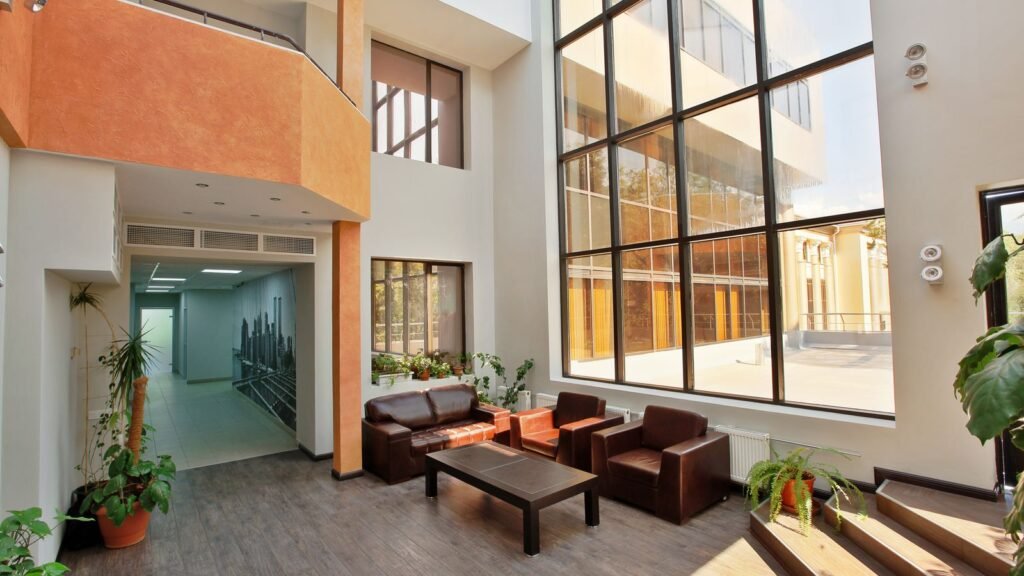
Office cleaning in Salford Quays starts with a clear list of spaces, tasks and access rules. If one manager looks after an office and a shared block, those areas need separate schedules. A useful specification shows what gets cleaned, how often, when the team can enter, and who checks the result.
Start with the building, not the brochure
Salford Quays and MediaCity combine offices, flexible workspaces, homes and shared public areas. MediaCity’s description of its Salford Quays community sets out the district’s creative, technology and media businesses alongside its residential and social uses. That mix can put a reception, tenant workspace and residents’ corridor beside one another, while each has different users and access needs.
Begin with the floor plan and the people who use each part. Mark the office suite, meeting rooms, kitchens, washrooms, entrance, lifts, shared corridors and bin store. Record which spaces belong to one tenant and which are shared by several occupiers. This simple map prevents a broad instruction such as “clean the building” from hiding important differences.
For an office cleaning brief at Salford Quays, list each zone, the task, its frequency and who checks completion. Keep tenant offices separate from shared entrances, corridors, lifts and bin stores. A clear scope gives a site visit something concrete to test and lets a manager compare quotes on the same work, rather than on the phrase “full clean.”
Keep the wider advice in one place as the brief develops. The EPF commercial cleaning guidance for Salford Quays offices and blocks can support that planning, while the specification remains specific to the building.
Separate office zones from shared block areas
An office suite and a residential block can share a postcode without sharing the same cleaning rules. Staff may need access to desks and meeting rooms before the working day. Residents may use the entrance, lifts and corridors at all hours. A contract should show which party can authorise work in each zone.
List tenant-only rooms first. These may include desks, meeting rooms, reception, staff kitchens and washrooms. State which surfaces are included, how waste is handled, and whether any equipment or personal items must remain untouched. If a room is excluded, write that down too. Clarity protects privacy and prevents both missed tasks and unwanted entry.
Then list shared parts as a different schedule. An entrance, lift lobby, stairwell, corridor and bin store have different traffic and cleaning needs. Note how the cleaner reaches them, who can provide access, and whether work must happen around deliveries or resident movement. The EPF page for communal cleaning for shared Salford Quays building areas describes the service category for these shared spaces.
Do not rely on a single key holder or a verbal instruction that everyone understands. Name the person who can approve access, the contact for a missed visit, and the route for reporting damage. If a site includes a security desk, reception or building representative, agree how the cleaning team signs in and returns keys or passes.
Set a visit pattern around occupancy
There is no useful cleaning frequency without a view of how the space is used. A quiet office with a small team may need a different routine from a shared workspace with booked rooms. A busy entrance may need more frequent attention than a room used only for occasional meetings. Set the pattern from observed use and the standard the manager needs to maintain.
Write down the access window before agreeing a visit. Some businesses prefer work before staff arrive. Others need daytime attention to shared rooms or want cleaners to avoid meetings. Record opening hours, alarm procedures, restricted rooms and any periods when the team must not enter. If a building changes its hours for an event, decide who will update the schedule.
Include a plan for work that cannot wait until the next routine visit. A spill, a full bin store or a room left in an unexpected state may need a prompt response. The specification should say how a manager reports it, who decides whether an extra visit is needed, and how any additional charge is agreed. Do not assume that a standard schedule includes every one-off job.
Review the visit pattern after the first few weeks. Ask the people who use the office and shared areas what is being missed, then compare that feedback with the task record. Change the frequency only when the evidence supports it. A written reason helps the manager explain the change to tenants, staff and anyone who approves the cleaning budget.
Turn a site walk into a written specification
A site visit should end with a usable task list, not a vague promise to keep everything tidy. Walk the route in the order a cleaner would follow it. Note floor types, pinch points, storage, waste locations and the rooms that need secure access. Ask the site contact to confirm the map before the quote is prepared.
A useful specification records:
- Each room or shared zone and its measured or clearly described boundary.
- The task for each zone, such as dusting reachable surfaces, emptying agreed bins or cleaning a washroom.
- How often each task is due and which tasks happen on a different day.
- The agreed access window, entry process and rooms that are out of scope.
- Who supplies any agreed materials and where they are stored.
- How a supervisor or site contact records a completed check and raises a missed item.
Write tasks so a person who did not attend the site visit can understand them. “Clean the kitchen” is open to interpretation. “Wipe worktops, clean the sink and taps, empty the agreed bin, and leave stored food untouched” gives a clearer result. Use the same approach for meeting rooms, reception and shared corridors.
Keep specialist or restricted work separate from routine cleaning. A contractor should not be asked to move equipment, enter a locked room or handle an unknown spill unless the task and competence have been agreed. Add exclusions beside the relevant zone, rather than hiding them in a general note at the end of the contract.
Compare quotes on the same scope
Two prices are only comparable when they cover the same work. Give each provider the same zone map, task list, visit pattern, access rules and expected reporting. If one quote includes shared corridors and another covers tenant rooms only, the lower figure does not describe the same service.
Ask each provider to show what is included in the routine visit and what is charged separately. Check whether the quote covers agreed materials, cover when a regular cleaner is absent, extra visits, periodic work and changes to the site. Ask how a missed task is logged and who follows it through. These details help the manager compare the service, not just the headline price.
A good quote also makes assumptions visible. The provider may need a site visit before confirming the floor area, access process or time needed. If a detail remains unknown, ask for it to be listed as an assumption. That gives both sides a clear point to confirm before the schedule starts.
EPF’s office cleaning scope for Salford Quays workplaces sets out the commercial offer and quote route. Use it to describe the site, the rooms in scope, preferred hours and the result the business expects.
Use local coverage as a check
Salford Quays is in Salford, so a manager should confirm the exact address and operating needs rather than assuming that “Manchester” on a page answers every question. The published EPF cleaning service information for Salford is a useful starting point. Confirm whether the specific office or block fits the service area and the schedule under discussion.
Local context should improve the brief, not replace a site visit. Two buildings in the same district can have different entry systems, room layouts, shared access and opening patterns. Use the address, floor plan and access rules to confirm which tasks belong in the quote, then record those details in the specification.
For managers responsible for both offices and blocks, keep a separate schedule for each address even when the same team visits both. Record the site contact, key or pass process, task list and check result for each property. Separate records make changes easier to trace when one tenant moves, a room changes use or a corridor becomes busier.
Questions to settle before the first visit
Before the first clean, ask the manager and provider to confirm the same basic points in writing. A short conversation can prevent confusion, but the final task list should remain available to the people who open the building and check the work.
- Which rooms and shared areas are included, and which are excluded?
- Who can authorise access to tenant rooms, stores and plant areas?
- When may the team enter, and what happens if the building is closed?
- Who records a missed task, a defect or a request for an extra visit?
- What does the manager inspect, and how is the result recorded?
Use the EPF cleaning guides when preparing questions for the site walk. For offices, blocks or a mixed site in Greater Manchester, the office cleaning page provides the next route for discussing a quote.
Answers to common questions
How often should an office at Salford Quays be cleaned?
There is no single schedule that fits every office. Set the frequency from room use, occupancy, the condition the business needs to maintain and the time available for access. Put the agreed tasks and visit days in the specification, then review them after the first few weeks.
Can one contract cover offices and a residential block?
One contract can describe work across more than one part of a site, but the schedule should separate tenant rooms from shared residential areas. Record access rules, visit times, tasks and contacts for each zone. That prevents one group’s instructions from being applied to another group’s space.
Should communal corridors be included in an office clean?
Only include a corridor when the person commissioning the work has authority to arrange cleaning there. State whether it is a tenant corridor or a shared building area, who controls access and which tasks are expected. Keep it as a separate line in the specification.
What should I compare when choosing a cleaning provider?
Compare the same rooms, tasks, visit frequency, access window and reporting method. Check what materials, cover, extra visits and periodic tasks cost. A written specification makes the differences visible and helps the manager choose a service that matches the building.
How do I ask about office cleaning in Salford Quays?
Share the property address, rooms in scope, preferred hours and the cleaning tasks you need. The EPF office cleaning information page gives a route to discuss a Manchester-area quote after those details are clear.
Make the scope easy to check
Office cleaning at Salford Quays works best when the schedule matches the building’s real use. Separate workspaces from shared block areas, record access, and give each zone a clear task and visit pattern. Then compare quotes against that written scope, not a broad label.
When the specification is ready, confirm the address, access contact and first review date. The manager and provider can then check the same list after the first visits. That keeps the service understandable when tenants change, a room is added or a shared area needs a different schedule.
To discuss office and block cleaning for your Salford Quays property, give EPF the address, room list, access arrangements and proposed visit times. Confirm coverage and the accepted tasks against the actual site before agreeing the first attendance.

Want this done properly at your property?
Tell us the building and the problem. We quote from a written specification, and contracts start with a three-month trial rather than a long tie-in.