Office Cleaning in Manchester City Centre, Access, Keys and Building Rules
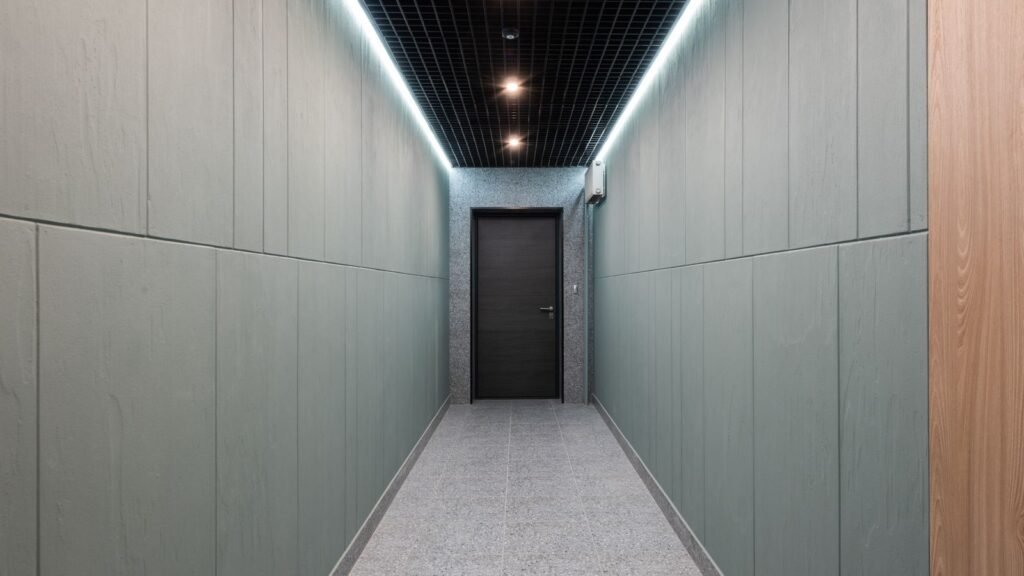
Office cleaning in Manchester city centre is rarely just a matter of turning up with a mop. Most city centre offices sit inside managed buildings, with a reception desk, a building manager, a lift system, shared corridors and rules about who may enter and when. A cleaning contract that ignores those rules tends to fail on the first evening, when the cleaner cannot get through the door.
This guide explains how access, keys, fobs, induction and fire procedures usually work for office cleaning in managed city centre buildings, and what an office manager or tenant should agree in writing before the first clean. It is written for office managers, facilities teams and small business owners who rent space in a larger building.
Why managed buildings change the brief
In a stand-alone office, the business controls the front door. In a managed building, the landlord or managing agent controls the front door, the lifts, the loading bay and the common parts. The tenant controls its own suite. A cleaner therefore needs permission at two levels: the building and the office.
This matters for timing. Many city centre buildings restrict deliveries and contractor access during the working day, and some set quiet hours for noisy work. Evening and early morning cleaning is common because it avoids staff, but it also means the cleaner is in the building when reception may be closed and security cover is thin.
It also matters for liability. If a cleaner lets someone into the building, loses a fob or leaves a door unlocked, the building manager will ask the tenant to explain. Good arrangements make that unlikely, and make it easy to show what happened if something goes wrong.
Building induction before the first visit
Many managed buildings require anyone working on site to complete an induction or sign a contractor agreement. It might cover fire exits, assembly points, lift use, waste routes, the loading bay and rules for working alone. Ask the building manager what applies to your cleaner before the first shift, not after.
Give the cleaning team the information in writing. A short sheet listing the entrance to use, the floor and suite number, the reception contact, the security contact and the out-of-hours phone number saves a great deal of confusion. If the building requires named contractors, supply the names of the people who will actually attend.
Also ask whether the building insists on its own insurance evidence from contractors. Some buildings ask to see a certificate before they issue a pass. If your cleaning company holds the cover, it can usually provide a copy quickly, but it helps to ask early so the first visit is not delayed.
Keys, fobs and access cards
Access control is where most problems start. A cleaner needs a way into the building and a way into the office. These might be two separate items: a building fob or card, and a key or code for the suite.
Agree who holds each item and how it is recorded. A simple key and fob register, showing who has what, when it was issued and when it was returned, is enough for most offices. It makes lost items easier to trace and makes staff changes easier to manage.
Avoid sharing one fob between several people unless the building allows it. Shared credentials make it impossible to tell who entered, and some buildings treat them as a breach of the access rules. If the cleaning company rotates staff, ask whether each person can be issued their own pass.
Decide what happens if an item is lost. Most buildings charge to cancel and replace a fob, and some require a re-key if a suite key goes missing. Agree in advance who pays and who reports the loss, so nobody argues about it afterwards. Our office cleaning in Manchester page explains how we normally handle access for office clients.
Out-of-hours access and lone working
Cleaning outside office hours is convenient, but it brings extra questions. Who lets the cleaner in if reception is closed? Is there a security desk? What happens if the lift fails or a fire alarm sounds late at night?
A cleaner working alone should have a clear way to raise the alarm. That might be a phone number for building security, a contact at the cleaning company who answers during the shift, and the tenant’s own emergency contact. Write these numbers down and keep a copy with the cleaning equipment.
Agree a start and finish time, and how the cleaner signs in and out. Some buildings log entry through the fob system. Others use a security desk book. Either way, the record helps the tenant confirm that the clean took place and helps the building know who is on site.
Consider what the cleaner should do on finishing. Lights, windows, internal doors, the alarm and the suite door all need to be left as the tenant wants them. A short closing checklist, kept by the door, removes guesswork.
Fire procedures and safety
Cleaners in a city centre building need to know what to do if the alarm sounds. They should know the nearest exit, the assembly point and the fact that lifts are not used in a fire. They should also know not to prop fire doors open for convenience, or leave equipment in escape routes.
The government’s guidance on fire safety risk assessment for offices and shops explains that the person responsible for the premises must carry out a risk assessment and take steps to reduce the risk. In a managed building, responsibility is often shared between landlord and tenant, so it is worth asking the building manager who is responsible for what.
For the tenant, the practical point is simple. Make sure the cleaning company has been told the fire arrangements for your floor, and make sure its staff have been shown the exits. If your office has its own fire marshals, tell the cleaners who they are.
Keep cleaning equipment tidy. Cables, trolleys and chemical stores should not block corridors or exits, even for a few minutes while a floor dries. Wet floor signs should be used and removed once the floor is dry.
Security and confidential information
Offices contain papers, screens and equipment that deserve respect. Agree what the cleaner may touch. Most contracts say that desks are cleared only if staff have left them clear, that paperwork is never moved and that screens are not switched on or off.
Locked rooms, such as server cupboards, finance offices or directors’ rooms, are usually excluded unless the tenant says otherwise. If they are included, agree how the room is opened and secured afterwards.
Ask the cleaning company how it handles confidentiality. Cleaners who work in offices see information they should not repeat, and a good company has clear expectations about this for its staff. Staff changes should also be notified, so the tenant knows who is entering the suite.
Waste, bins and the loading bay
Waste is often the second source of friction after access. City centre buildings usually have set routes and times for waste, and some restrict where bins may be taken. Ask the building manager how waste and recycling are handled, and make sure the cleaner knows.
Agree whether the cleaner empties bins to a shared store, to a loading bay or simply into a bag left in the suite for the building’s own service. Confirm who provides bin liners and whether any waste, such as confidential paper, needs separate handling.
Lifts, corridors and shared areas
Cleaners with trolleys and vacuum cleaners need a sensible way to move around the building. Some buildings require the goods lift for equipment, and some limit lift use at certain times. Ask what is allowed, and tell the cleaning company in advance.
Check whether shared areas on your floor, such as a lobby, kitchen or washroom, are cleaned by the building or by the tenant. It is common for the building to clean the main common parts and for tenants to clean what is inside their suite, but arrangements differ. Writing down who cleans what avoids gaps and duplication.
What to agree in the contract
Before the first clean, check that the agreement covers the following points.
- The suite, floor and entrance to be used, and the hours of access.
- Who holds keys, fobs and codes, and how they are recorded and returned.
- Induction requirements for the building and for the office.
- Insurance evidence the building or tenant needs to see.
- Lone working arrangements and emergency contacts.
- Fire procedures, exits and assembly point for the floor.
- Areas that are excluded, such as locked rooms or confidential desks.
- Waste routes, lift use and equipment storage.
- How problems and missed visits are reported and put right.
The scope of work then sits on top of these arrangements. Our guide to commercial cleaning in Manchester sets out the usual tasks, frequencies and checks for offices.
Starting well and reviewing after a month
The first visit is the best moment to walk the route with the cleaner. Show the entrance, lift, suite, bins, cleaning cupboard and emergency exits. Point out anything that is off limits, and agree who the cleaner calls with questions.
After about a month, review how it is going. Check whether access has worked smoothly, whether any fobs or keys have caused problems, whether the building has raised any issues and whether the standard of cleaning matches what was agreed. Adjust the arrangements while they are still fresh, and keep a short written note of any changes.
Questions about city centre office cleaning
Who should hold the keys to my office?
Whoever is named in the contract and recorded in a key register. Avoid informal handovers, because they make losses hard to trace.
Can the cleaner use the building fob I already have?
Only if the building allows credentials to be shared. Many do not, so ask the building manager and request individual passes.
What if the cleaner cannot get into the building?
The contract should name a contact to call. Agree in advance who will let the cleaner in and what happens to the clean if access fails.
Do cleaners need to know the fire procedures?
Yes. Make sure they know the nearest exits, the assembly point and the rule that lifts are not used in a fire.
Should I tell the building manager about the cleaning company?
Yes. Many managed buildings expect to be told who is working on site, and some require an induction or insurance evidence.
Plan access before the first clean
If you are arranging office cleaning in a managed building in Manchester city centre, collect the building rules, the access method, the hours and the emergency contacts first. With those in hand, a cleaning plan can be written around how your building really works. Send us your building details and we will help you set it up.

Want this done properly at your property?
Tell us the building and the problem. We quote from a written specification, and contracts start with a three-month trial rather than a long tie-in.