Office Floors, Cleaning Carpet, Vinyl and Tiles in One Building
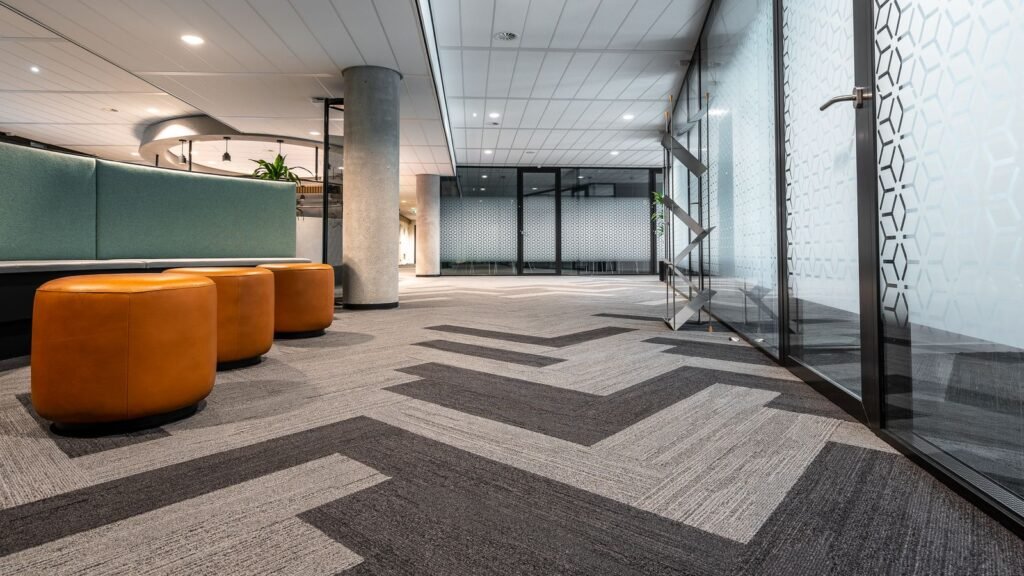
Office floor cleaners in Manchester need to know where the floor finish changes, not just how large the building is. Carpeted work areas, vinyl in shared rooms and tiled entrances can need different routines. Put those differences into the cleaning specification. A single instruction to clean every floor leaves too much open to interpretation.
Start with the materials, the way each area is used and the care information available. Then separate regular cleaning from periodic treatment. The plan should also explain how people will move through the office while work takes place. Floor appearance and route safety need attention together.
Map the floor finishes by room and route
Walk the building and record the floor finish in each included area. Use room names that staff recognise. Include entrances, corridors, kitchens and washrooms where they are within scope. Note transitions between surfaces, especially where several areas share a working route.
Do not identify a floor solely from its colour or pattern. Different materials can have a similar appearance. Share product information or care instructions held by the site. If the material is uncertain, record the question and ask for an assessment before selecting a treatment.
Describe the present condition separately from the desired routine. Record loose dirt, visible marks, worn areas and existing damage in plain terms. A damaged edge or worn finish may not be corrected through cleaning. Keep that distinction clear when discussing expectations.
Note fixed furniture and equipment that limit access. A floor under a desk, display or storage unit may not be reachable during a normal visit. Confirm what can be moved and who can approve it. Do not assume all floor space on a plan is available to clean.
Set a routine for carpeted areas
Ask the provider how it will collect ordinary loose dirt from the carpet. The proposed equipment should fit the material and access. Include edges and the areas around fixed furniture in the discussion. A wide open floor and a crowded office can present different practical tasks.
Describe any visible spot or mark without promising its removal. Tell the cleaner about previous products or treatments if known. An assessment may be needed before applying another method. Do not use a general household treatment to demonstrate what the contractor should do.
Keep periodic carpet treatment separate from the regular visit schedule. Ask what preparation, access and aftercare the assessed method needs. The contractor should explain any limits on using the area afterwards. Do not assume a fixed drying period for every carpet or room.
Record where entrance dirt reaches carpeted routes. Discuss how the cleaning routine and the site’s existing arrangements fit together. Check who handles an unexpected spill. The regular specification should not hide the need for a separate response to an unusual condition.
Discuss the vinyl finish before choosing products
Ask what is known about the vinyl and any existing surface treatment. Share the manufacturer’s instructions where available. A method suitable for one finish may not suit another. The provider should explain how its product and equipment choices fit the assessed surface.
Separate routine dirt removal from a proposed periodic treatment. Do not assume that work on a protective finish belongs in every ordinary clean. Record the purpose of the proposed task and any preparation required. Ask who approves it before it is added to the schedule.
Pay attention to corners, thresholds and areas near sinks or other fittings. Include these locations in the specification if they are accessible. A room name alone does not tell the cleaner which edges or fixtures need attention. Describe the task as well as the area.
Keep wear or damage outside promises about cleaning results. A difference in appearance can have several causes. Ask the provider to assess an uncertain patch rather than intensify the method without a reason. Record the condition before work begins.
Include tiles and grout as distinct surfaces
Tell the contractor what is known about the tiles and the material between them. Ceramic, porcelain and natural stone should not be assumed to have identical care requirements. Keep any surface information with the brief. An uncertain material needs assessment before choosing a product.
Discuss both the open tile surface and accessible grout lines. A task list that names only the room can leave those details unclear. Ask which method is proposed and where it can be used. Do not assume every stain or colour difference is removable dirt.
Identify areas exposed to tracked moisture or regular splashes. Explain how people use those routes during the cleaning window. The provider needs to account for the task and the surrounding movement. Agree who responds to conditions arising between scheduled visits.
Discuss the floor plan with office cleaning in Manchester. Specify the carpet, vinyl and tile areas individually. This makes the requested work easier to review than a general promise to maintain the whole office.
Plan routes while floors are being cleaned
Identify the routes staff and visitors need during the proposed working window. A cleaning method may affect an entrance, corridor or shared kitchen. Ask how the contractor plans the sequence. The site contact should confirm any alternative route or restriction that can be used.
The Health and Safety Executive’s slips and trips guidance brings together information on causes, prevention and workplace roles. Use it when discussing the site’s arrangements and the proposed cleaning method. A warning sign alone should not be treated as the entire plan for an occupied route.
Ask how areas needing time before reuse are controlled. Agree who checks their condition and authorises the next step. Do not assume people can resume walking through because the cleaning machine has moved on. The actual method and surface should guide the arrangement.
Account for cables, equipment and materials during the visit. Their position can affect the route as well as the floor being cleaned. Agree approved places for the setup. Keep shared access and exits usable under the site’s arrangements.
Keep regular and periodic work separate
A regular schedule should name the areas, tasks and frequencies. Periodic treatment needs its own description. Explain what makes the additional task necessary and how it will be reviewed. Do not treat a longer service list as proof that every item occurs at each visit.
Ask what preparation the site must complete. Furniture movement, room availability and access to approved supplies can affect the plan. Record who handles each arrangement. A cleaning date should not depend on work nobody has agreed to perform.
Plan periodic work around room use rather than copy another building’s schedule. A meeting room, kitchen and reception can have different demands. The provider should explain the proposed timing through those conditions. Avoid treating an initial estimate as a permanent requirement.
If the building changes, review the floor specification. A new surface, altered room use or different working hours can affect the method. Update the written plan when an approved change occurs. Retain a dated version so the current routine is identifiable.
Review methods and materials before changing them
Keep a record of the products and methods approved for the main finishes. Make the relevant care information available to the contractor. An operative should have a route for asking about an uncertain surface. Do not expect that question to be settled through guesswork during a visit.
Tell the provider about another treatment recently used on the floor. Keep dates and product information where known. Avoid combining an unplanned product with the agreed routine. Ask for an assessment if the surface or its condition has changed.
Report loose edges, damaged tiles or another apparent defect through the site’s process. Cleaning a nearby surface does not turn repair work into part of the contract. Note any effect on access or the cleaning method. The responsible party should decide how the defect is addressed.
Keep the floor tasks visible within the broader commercial cleaning requirements in Manchester. Shared rooms and other services may need separate instructions. The specification should distinguish them rather than combine every surface under one general phrase.
Check completion against the surface plan
Agree which areas will be checked and what the reviewer will look for. Use the task list for the relevant finish. Record restricted or deferred areas separately from completed work. This helps the site understand an exception without assuming the whole visit failed.
Give feedback by location and task. A statement that the floor looks poor may not identify the issue. Name the area, the observed condition and the agreed work. Keep the contractor’s response alongside the specification.
Separate cleaning performance from wear, damage or a new spill. Compare the starting condition where useful. If a method needs review, ask for a clear explanation of the proposed change. Do not turn a recurring concern into an informal instruction to use a stronger product.
Questions about cleaning mixed office floors
Can one routine cover carpet, vinyl and tiles?
One schedule can record them, but each finish needs an appropriate method and task description. Ask the provider to explain the differences. Keep periodic work separate and identify any material that needs further assessment.
What if we do not know the floor material?
Share the information available and record the uncertainty. Do not identify it from appearance alone. Ask for an assessment before selecting a product or periodic treatment. Keep confirmed care instructions with the specification.
How should wet-floor cleaning fit office opening hours?
Discuss required routes, room use and the proposed method. Agree the sequence and any restriction on reuse. Confirm who checks the area before normal access resumes. Do not rely on a general warning sign as the complete arrangement.
Are damaged tiles or carpet edges cleaning tasks?
Report the condition through the site’s process. Cleaning nearby areas does not include repairing the defect. Record how it affects the proposed work or access. The responsible party should decide what separate action is needed.
When should the floor plan be updated?
Review it when surfaces, room use or working hours change. Also review recurring access problems or concerns about a method. Record approved changes so the provider and site contact follow the same current specification.
Prepare the mixed-floor cleaning discussion
Bring the floor list, care information, room-use pattern and access requirements together. Identify regular tasks and any periodic work being considered. Record unresolved material or condition questions. This gives a provider enough detail to explain a suitable proposal.
To discuss the plan, share your office floor types and cleaning requirements with Exclusive Property Facilities. Ask how the methods, working routes and review process fit the actual building. Confirm the specification before the routine begins.

Want this done properly at your property?
Tell us the building and the problem. We quote from a written specification, and contracts start with a three-month trial rather than a long tie-in.