Planning a Warehouse Deep Clean Around a Shutdown
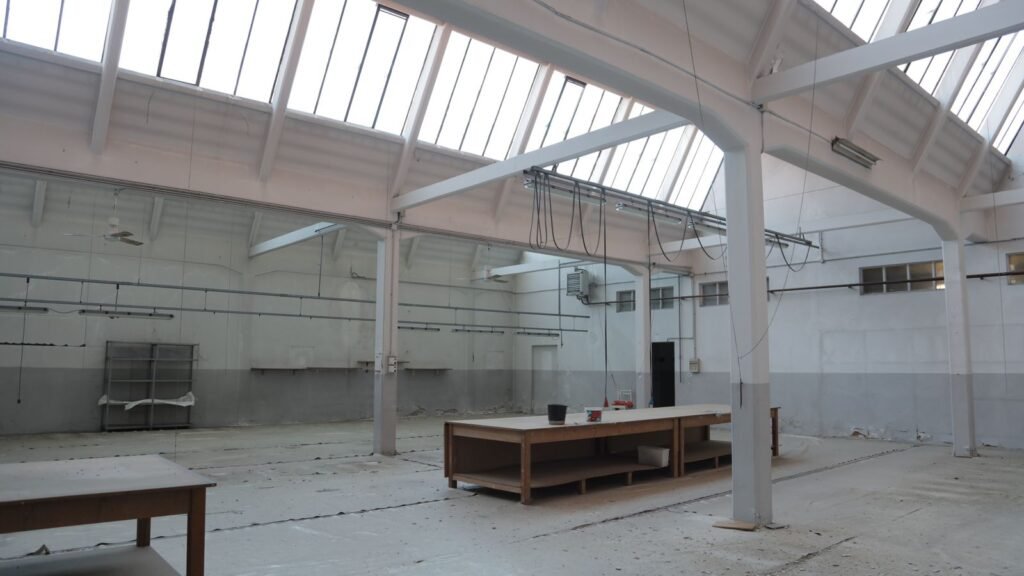
Warehouse deep cleaning during a planned shutdown needs a sequence agreed with the people responsible for the site. Production stopping does not automatically make every area available. Stock, maintenance work and vehicle movements may still affect access. Define the cleaning scope and the condition needed before each area is released for work.
The aim is a workable cleaning programme, not a promise to finish every possible task within a gap in operations. Separate high areas, floors and welfare rooms. Record the setup, review and drying requirements. Keep machinery isolation, servicing and restart decisions with the responsible site team.
Confirm the shutdown window and remaining activity
Ask when the cleaning areas become available and when the site expects them back. Identify any maintenance, deliveries or stock movement taking place during that period. A shutdown can involve several contractors. Their work should not be assumed to stop because a cleaning visit has been booked.
Name the person who can confirm that an area is ready. This contact should understand the site arrangements and the proposed cleaning work. Record who can approve a change if access differs from the plan. Keep the route practical while the shutdown is in progress.
Discuss what the cleaning programme needs before accepting the working window. Setup, movement, review and any period before reuse should be considered alongside the cleaning tasks. Ask the contractor to explain its assumptions. Do not treat the available hours as proof that the entire requested scope fits.
Identify areas that remain operational. Decide how their boundaries affect the clean. The contractor needs to know which routes and spaces it may use. Keep unresolved restrictions visible before agreeing the final sequence.
Walk the site and define the deep-cleaning scope
List the areas included in the request. These may be main floors, accessible high surfaces, loading areas and welfare rooms. Name the task against each area. A general request to deep clean the warehouse does not explain what is included or excluded.
Record the surfaces and their condition. Share care information where available. Note visible damage separately from dirt or marks. The contractor should understand whether a surface needs assessment before a method is proposed.
Discuss warehouse cleaning in Manchester against the actual site list. Include access restrictions and work occurring nearby. This gives the provider a basis for explaining the cleaning programme and its limits.
Keep repairs and servicing separate from the request. Cleaning near equipment does not include dismantling it or deciding how it is isolated. Record who handles those arrangements. The cleaning team should not be left to interpret an unfamiliar technical condition during the visit.
Agree what must happen before cleaning starts
Identify stock or movable items that prevent access to agreed surfaces. Confirm who may move them and when. A cleaning operative should not be assumed to operate warehouse vehicles or relocate goods. Put the arrangement into the programme before the visit.
Ask the site team to identify restrictions affecting machinery and services. Any required technical work should be completed through its approved process. The cleaner needs confirmation of the agreed working conditions. Do not treat a powered-down appearance as proof that equipment is ready for cleaning nearby.
Separate approved waste from items needing an owner’s decision. Containers, packaging and documents may have different handling arrangements. Tell the contractor what it may collect and where that material goes. Do not let a general cleaning instruction become permission for an unplanned clearance.
Where the identity of a spill or residue is uncertain, record the issue and seek the appropriate assessment. Do not ask the cleaning team to treat it as routine dirt. The method and controls should fit the actual task and remain within the agreed service.
Sequence high areas with the work below them
Name accessible high surfaces separately from the main floor. Ask the contractor to explain the proposed access method and the area it needs beneath the work. The site should confirm how stock, vehicles and other contractors are kept within the agreed arrangements.
Discuss the sequence before deciding that floors are ready for their final clean. Work on higher surfaces can affect areas below. The programme should account for that relationship. Do not assume a completed floor will remain unchanged if another contractor continues work above it.
Keep access methods within the approved plan. Racking or stored materials should not be treated as an improvised working platform. If a surface cannot be reached under the agreed arrangement, record the limitation. Obtain a suitable decision instead of changing the method casually.
Keep lighting, ventilation and other installations outside cleaning promises unless the particular task has been assessed and agreed. Cleaning an accessible nearby surface is not a technical service to the installation. The responsible site team should resolve questions beyond the cleaning scope.
Plan the floor work by surface and route
Identify the floor finish and the material being removed. Bare concrete, coated floors and textured areas can require different methods. Share known care instructions. An uncertain surface or residue needs assessment before a product or process is selected.
Separate collection of loose material from further floor treatment. Ask how each task is proposed and where the collected material will go. Confirm the arrangements with the site. Do not assume a drain or general waste container is suitable for every material.
Agree the route through the building. A provider needs space to use its equipment and a way to keep completed areas separate from later movement. Discuss how remaining deliveries or maintenance activity affect that route. Keep the sequence connected to the actual shutdown programme.
Explain the intended result alongside commercial deep cleaning in Manchester. Name the surfaces and tasks rather than request a general standard of restoration. Existing wear or damage should remain separate from promises about cleaning outcomes.
Keep welfare rooms in the programme
List kitchens, washrooms, changing areas and other staff facilities included in the request. Confirm which fittings and accessible surfaces are covered. A deep-cleaning programme focused only on the warehouse floor can leave these rooms without an agreed sequence.
Ask how people working during the shutdown will use welfare facilities while cleaning occurs. The site should establish suitable arrangements and explain them to the contractor. Do not assume every room can be taken out of use at once.
Keep the room tasks within cleaning. Repairs, plumbing work and appliance servicing need separate arrangements. Record any condition preventing a task from proceeding. Ask the responsible person how that condition should be addressed before the room is marked ready.
Use room names consistently in the programme and completion record. This helps the reviewer identify which areas were cleaned and which were unavailable. Note access problems by location. Avoid turning an exception in one room into a vague statement about the entire shutdown clean.
Coordinate working routes and safety arrangements
The Health and Safety Executive’s logistics safety guidance brings together information on warehousing, workplace transport and welfare access. Discuss those topics with the responsible site team when planning the cleaning window. A quieter building still needs a clear working arrangement.
Confirm approved entry, unloading and equipment routes. Tell the contractor about any access process applying during the shutdown. A normal weekday arrangement may differ from the temporary programme. Pass on confirmed instructions rather than rely on assumptions about an empty building.
Agree where materials and equipment can be kept. Shared routes and exits should remain usable under the site arrangements. Ask how another contractor’s movement will be coordinated with the cleaning area. Record who can resolve a conflict during the visit.
Keep a reporting route for an unexpected condition. A blocked area, changed task or uncertain residue can affect the sequence. The response should follow the approved process. Completing the programme should not depend on an operative improvising beyond the agreed scope.
Allow for review and the condition needed before reuse
Ask the cleaning provider what its assessed methods require before surfaces can be used again. The programme should include any drying or other aftercare arrangement. Do not assume a fixed period for every floor or method. Confirm the relevant limits before setting the handover time.
Name the person who reviews the completed cleaning. Give that reviewer the agreed task list and known exclusions. Record finished, unavailable and deferred areas accurately. A visual impression of an empty warehouse is not a record of every task being completed.
Keep cleaning handover separate from decisions about restarting equipment or production. Those decisions belong to the responsible site team. A cleaning checklist should not be described as a technical restart approval. State what the contractor has done and what still needs another party’s decision.
Record remaining issues by location and task. Keep existing damage separate from incomplete cleaning. Discuss the proposed response with the authorised contact. If another visit is needed, agree its scope and date rather than assume it is included automatically.
Questions before booking a shutdown clean
Does a shutdown mean the whole warehouse is accessible?
Confirm which areas are released for cleaning and what activity remains. Stock, maintenance and deliveries can still restrict routes. Record approved boundaries and a contact who can resolve access questions during the visit.
Who should move stock or deal with machinery isolation?
The site should assign those responsibilities through its approved processes. Do not assume a cleaning team operates warehouse vehicles or makes technical isolation decisions. Confirm the conditions needed before the cleaning task begins.
Should high surfaces be cleaned before the floor?
Discuss how the tasks affect the areas below and how other work is sequenced. The contractor should explain its proposed order and access method. Keep the final floor work connected to the rest of the programme.
How do we include staff facilities during the shutdown?
Name the rooms and tasks in the cleaning specification. Discuss access for people working on site while those rooms are cleaned. Record unavailable areas clearly. Cleaning does not include repairs or servicing unless a separate arrangement exists.
What should the cleaning handover record contain?
Record completed tasks, excluded areas and any deferred work against the agreed specification. Include relevant aftercare instructions. Keep the cleaning review separate from equipment restart decisions and wider approval of the shutdown programme.
Prepare the warehouse deep-cleaning programme
Bring together the area list, surfaces, remaining activity and approved access arrangements. Confirm who prepares the site and who reviews the clean. Separate high areas, floors and welfare rooms in the sequence. Keep unresolved questions visible before agreeing the working window.
To discuss the visit, share your warehouse shutdown and deep-cleaning requirements with Exclusive Property Facilities. Confirm the cleaning scope, site responsibilities and handover arrangements. The programme should fit the actual building and the tasks the contractor is being asked to complete.

Want this done properly at your property?
Tell us the building and the problem. We quote from a written specification, and contracts start with a three-month trial rather than a long tie-in.