Oven Cleaning in Middleton
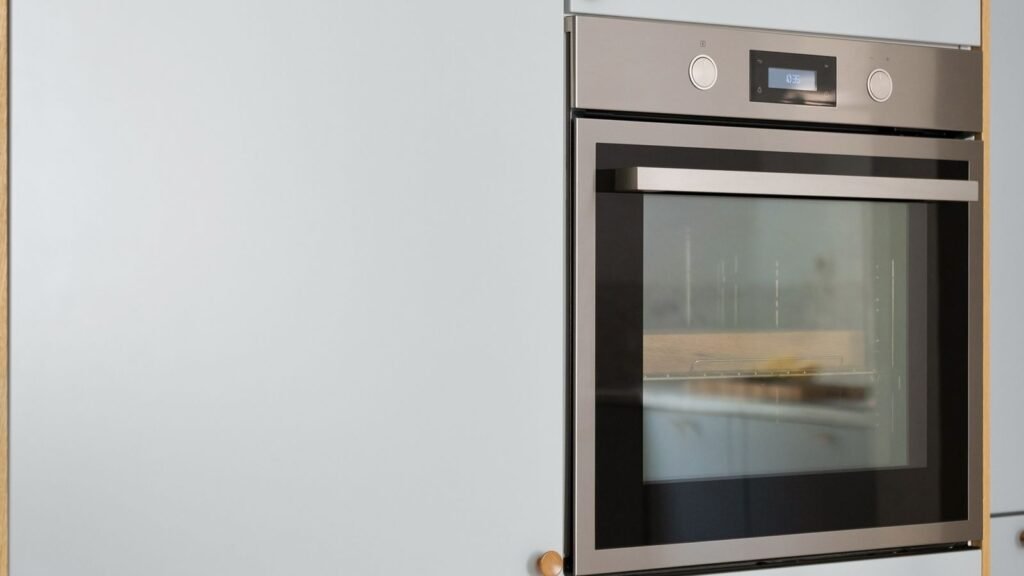
Oven cleaning in Middleton should start with the appliance model, its condition and the parts you want included. Confirm whether the booking covers the oven cavity, removable racks, door glass, hob or extractor, because these are separate items in a scope. The cleaner should explain the proposed method and access requirements before agreeing the visit.
This guide helps Middleton householders prepare for professional oven cleaning. It covers the information to send, how to make the kitchen available and what to check at handover. It does not promise a fixed duration or restoration of every mark before the appliance has been assessed.
Identify the oven before requesting a quote
Send the make and model where you can find them without moving or dismantling the appliance. Describe whether it is a single oven, double oven or another arrangement, and explain which compartments are used. A clear photograph can help show the layout and the condition, but it does not establish how a part should be removed or cleaned.
Keep the manufacturer’s instructions available. They may describe different care requirements for the cavity, liners, glass and removable accessories. The cleaning contractor should use that information when selecting the method. Avoid assuming that every oven tolerates the same product simply because its interior looks similar.
If you cannot identify the model, say so when enquiring. The proposed service may need an inspection or further information before the scope is confirmed. Guessing the model from appearance can result in unsuitable expectations about access, removable parts or the work included.
Describe the condition honestly
Explain the visible grease, residues and marks you want addressed. Mention a damaged seal, cracked glass, loose part or operating concern if you have noticed one. A cleaning company needs to distinguish soiling from a condition that requires repair. Cleaning is not an appliance service or a way to certify that the oven operates safely.
Tell the contractor what has already been used on the appliance. A spray, powder or other treatment can matter to the next method. Keep the product name or packaging information rather than describe everything as oven cleaner. If an earlier attempt changed a surface, note where that happened and stop applying further products until it has been assessed.
Photograph the relevant areas in normal lighting. Include the compartment and the surrounding access, rather than only a close-up of a mark. The cleaner can then ask clearer questions about the job. A quotation should still state what will be assessed at the visit and what is agreed beforehand.
Agree what the service includes
Write down the included oven compartments and accessories. Confirm the cavity, accessible door glass, racks and any removable trays that the contractor can clean under the manufacturer’s instructions. If an area requires dismantling, ask how suitability and authorisation are established before the work begins.
Hobs and extractors should be listed individually if you want them cleaned. Their surfaces, controls and removable items may need different methods from the oven. A phrase such as full kitchen appliance clean is less useful than a list of the actual items and boundaries.
Our Manchester oven cleaning service is a starting point for discussing that scope. Send the appliance details and say whether the request is oven-only or includes other agreed kitchen surfaces. Extra tasks should be confirmed, rather than assumed from the length of a visit.
Choose products for the appliance and task
The cleaner should select products and equipment that suit the surfaces and follow the relevant instructions. Ask how the contractor checks suitability for liners, seals, glass and surrounding finishes. An effective method for a removable rack is not automatically appropriate for every part of the oven.
The HSE’s guidance on hazardous substances explains assessing and controlling exposure to substances used at work. For a professional clean, the contractor should plan the task and provide its staff with the information and controls needed for its method. The homeowner should not be expected to choose or improvise the contractor’s chemical process.
Do not mix products or add a household remedy to a cleaner already on the surface. Follow the appliance and product instructions for any work you undertake yourself. If you have already applied something, tell the contractor before attendance so the method can be considered against the actual condition.
Make the kitchen available
Clear the agreed work area around the appliance. Remove food, loose utensils and personal items that would prevent access to the oven front or the adjacent surfaces included in the plan. Explain any tight space, fixed island or other feature that affects how the cleaner can work.
Ask the contractor what preparation is required for the appointment, including the appliance’s temperature and operating state. Follow those instructions and the manufacturer’s guidance. Do not plan to finish cooking immediately before the cleaner arrives without checking whether that conflicts with the agreed method.
Keep children and pets clear of the working area under the household’s arrangements. Explain who will be present and who can answer questions. The cleaner needs a named contact for a condition outside the agreed scope, rather than having to decide whether to proceed without the owner or authorised person.
Confirm access for a Middleton visit
Provide the full address, contact details and entry arrangement. If the home is in a managed building, explain any contractor sign-in, lift or parking conditions that affect access. For a house, identify where equipment can be unloaded and how the kitchen is reached. These details should relate to your property rather than assumptions based on its postcode.
If you are arranging work for someone else, confirm who can authorise attendance and receive the handover. A landlord or family member booking the service may not be at the property when the cleaner arrives. Agree the access method and the decision contact before the appointment is confirmed.
Our cleaning company in Middleton page provides local service information. Availability and the proposed date still need agreement against the actual scope. A listed service area does not mean every appliance or attendance window has already been accepted.
Allow time for the work that is actually agreed
The length of an oven clean depends on the appliance, condition, accessories and method. Ask for an estimate based on those details rather than applying a universal duration to every kitchen. Explain if you need the room available by a particular time so the contractor can discuss whether the proposed arrangement is workable.
Cleaning, checking and returning removable items to their agreed positions all belong in the appointment plan. If the scope changes on inspection, confirm the revised work before it is undertaken. Do not treat the original time estimate as permission to add a hob or extractor task that was not priced or assessed.
Ask what the handover will say about using the appliance afterwards. The answer should follow the method and manufacturer instructions. Avoid assuming that a particular wait is required or that the oven can be used immediately without checking the guidance supplied for the completed work.
Keep repair concerns separate
A damaged part or operating problem should be referred to the appropriate appliance professional. The cleaning contractor can report an observation, but should not be expected to repair wiring, seals, heating elements or other components as an informal addition to the visit.
If a concern prevents the agreed clean, record the condition and decide what should happen next. Some areas may need to remain excluded until the appropriate assessment has taken place. A partial clean should be described as the work completed, rather than signed off as a full service when an important part was unavailable.
This distinction also helps at handover. A remaining mark might be soiling that needs further assessment, or it might relate to wear or damage. Discuss the actual area and method used. Cleaning should not be presented as guaranteed restoration of the appliance to a new condition.
Check the completed work against the scope
Look at the compartments and accessories that were included. Confirm any exclusions and note a condition that remains. Ask the contractor to explain the care and use guidance relevant to its method. A useful handover identifies what was cleaned without making unsupported claims about appliance performance.
If another person receives the handover, arrange how they will pass the information to the household. Keep the scope and completion note together so a concern can be discussed against the same task list. Clear records are useful whether the clean is for your own home or a property being prepared for occupation.
Questions about oven cleaning in Middleton
Does an oven clean include the hob and extractor?
Only if those items are agreed in the scope. List each appliance and the surfaces involved before accepting a quotation.
How long will the visit take?
Ask for an estimate after supplying the model, condition and included accessories. There is no single duration that accurately covers every appliance and method.
Will cleaning fix an oven fault?
No. Cleaning and repairs are separate tasks. Report an operating problem and arrange the appropriate assessment rather than expect the cleaner to repair it.
Send the appliance details first
For oven cleaning in Middleton, gather the model information, condition, included accessories and kitchen access details. Contact Exclusive Property Facilities with your oven cleaning requirements so the proposed work, preparation and appointment can be considered around the appliance you actually have.

Want this done properly at your property?
Tell us the building and the problem. We quote from a written specification, and contracts start with a three-month trial rather than a long tie-in.