Scrubber Dryers for Warehouse Floors, How They Are Used
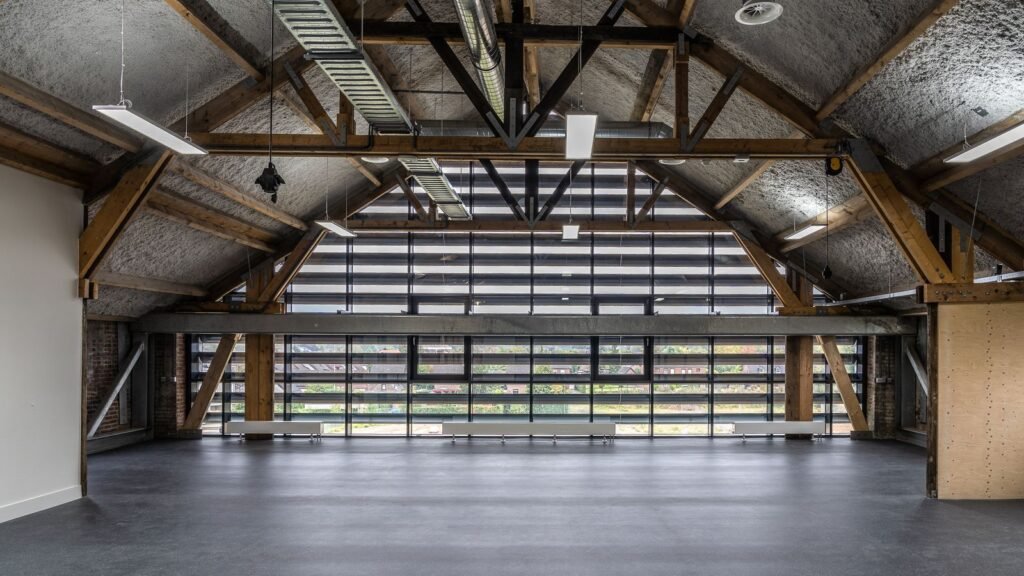
A scrubber dryer cleans an appropriate hard floor using a selected brush or pad, cleaning solution and liquid recovery. On a warehouse floor, the useful question is whether that method suits the finish, dirt and working route. The machine does not remove the need to clear unsuitable debris, manage people and vehicles or check the floor before it is returned to use.
This guide explains how walk-behind and ride-on scrubber dryers fit a warehouse cleaning plan in Manchester. It is for site managers discussing a cleaning scope, rather than instructions for an untrained person to operate equipment. The actual machine must be used by competent staff following its instructions and the assessed method for the site.
Start with the floor and the material being removed
Identify the floor finish before selecting machinery. Bare concrete, coated flooring and other hard surfaces may need different products and mechanical action. Share the care instructions held by the site and record existing damage. A machine should not be selected solely because it is available or has a large cleaning width.
Describe the dirt and debris in the proposed working area. Loose packaging, fragments and ordinary tracked material are different from an unidentified spill. The site should establish the handling requirements for any uncertain substance before it becomes part of a routine clean. A floor machine is not a universal response to every material found in an aisle.
Ask the contractor to connect its proposed brush or pad and product to the floor and task. Any suitability check should follow an agreed method and the relevant surface instructions. Do not assume more pressure or a stronger chemical will improve the result without affecting the finish.
Understand the cleaning and recovery functions
The scrubbing action works on the floor with the selected cleaning solution. A recovery system collects liquid from the surface into the machine’s recovery tank. The exact arrangement varies with the model, so its instructions matter. The operator needs to know how the selected settings relate to the assessed task.
Recovery is important to the handover, but the presence of suction does not prove that every cleaned section is dry. The team should look at the actual floor behind the machine and respond if liquid remains. A damaged or poorly functioning recovery component should be handled through the equipment process rather than ignored to finish a route.
Our warehouse cleaning in Manchester service can be discussed around those floor conditions. Supply the layout, finish information and material being removed so the equipment proposal has a defined task.
Compare walk-behind and ride-on access
A walk-behind machine is controlled by an operator walking with it. A ride-on machine carries the operator. The choice affects access, turning and the working route, but a larger machine is not automatically the better choice. Check the usable space rather than the building’s total floor area alone.
Measure or confirm the entrances, aisle widths and turning points relevant to the proposed equipment. Fixed racking, pillars and stock can limit the space available. A machine that can travel down an aisle may still need a safe way to turn, leave it or reach the next section.
Identify small rooms and edges that the machine cannot cover. These may need another method under the same cleaning scope. Ask the contractor how it deals with that detail work, rather than assume a wide machine completes every corner or floor edge by itself.
Prepare the working area
Before attendance, agree which areas must be clear and who will make them available. Pallets, stored goods and movable equipment should have a named handling arrangement. A cleaning operative should not be expected to use warehouse vehicles or relocate unfamiliar stock to create a route.
Coarse debris may require removal before the wet-cleaning stage under the agreed method. Explain what the operator is likely to find and where collected material should go. Some machines have additional sweeping functions, but do not assume every scrubber dryer is designed to collect every loose item in the path.
Inspect the route for conditions that affect the clean, such as a damaged section, an inaccessible edge or an unexpected substance. If conditions differ from the brief, refer them to the site contact. The visit should not lead to an unapproved method being improvised to reach the original completion time.
Separate the route from warehouse traffic
Discuss the cleaning window against deliveries, pedestrian movement and vehicle routes. Decide who authorises the working area and how the restriction is communicated. The cleaning team needs a site arrangement it can follow, rather than simply being told to avoid forklifts while completing a floor route.
Plan the sections in a sequence that keeps the required routes available. Where a section cannot be used, identify the alternative agreed by the site. Avoid returning people to a wet section because another route has also been closed. The operating plan should consider the whole movement pattern.
Keep the communication route clear during the visit. A warehouse may change its activity after the cleaner arrives. Name the person who can pause or revise the work if the route is needed for another operation. A new instruction should be checked against the cleaning method and conditions before it is followed.
Check liquid recovery and the handover condition
The HSE’s slips and trips guidance explains that cleaning can remove floor contamination while also introducing hazards such as wet surfaces. Its cleaning advice recommends using a suitable method and restricting pedestrians from wet or drying floors. Apply that principle to the actual section being handed back.
The machine operator and site contact should understand what happens if the floor remains damp. The section may need further recovery or time under the agreed restriction. A warning sign is part of communication, not a substitute for checking the surface condition and controlling access.
Inspect areas beside walls, around obstacles and at the end of a route as well as the centre of the floor. The recovery path may differ from the brush path, particularly when turning or approaching an edge. Record any area that needs another agreed method or could not be completed because access was unavailable.
Agree who accepts each completed section before the machine moves elsewhere. A staged handover helps the warehouse know which route is available and which still has a restriction. If the operating team needs to change that sequence, review it with the cleaning supervisor first.
Agree the setup and finish arrangements
Confirm where the machine is unloaded and how it reaches the work area. State what water, power or other approved facilities the contractor requires, and what the site has agreed to provide. Equipment should have an appropriate place during the visit that does not obstruct warehouse routes.
If battery charging is proposed on site, the location and method should follow the equipment instructions and site arrangements. The cleaning contractor should explain what it needs before attendance. Do not assume any available socket or empty corner is suitable simply because it is convenient.
Also agree how recovered liquid and other collected material are handled. The method needs an approved finish arrangement, not a decision made when a tank becomes full. Keep this within the site’s waste rules and the contractor’s assessed process, and clarify who has responsibility for each step.
Use the machine record to support the cleaning record
A record that a machine operated in the building does not show that every task was completed. The cleaning record should identify the floor sections, work done and any exception. Equipment checks support the method, while the completion check relates to the actual cleaning scope.
Where a mark remains, discuss the location and the agreed method. Distinguish an incomplete task from a damaged finish or a condition needing separate assessment. A floor machine should not be described as restoring every mark or extending the floor’s life by a promised amount without evidence.
Our wider Manchester commercial cleaning service can be discussed around those records and attendance needs. Keep the agreement about cleaning delivery; equipment repair and warehouse operational decisions belong with the people responsible for them.
Questions about scrubber dryers for warehouse floors
Does a ride-on machine always suit a large warehouse?
No. Usable aisle space, turning points, access and floor condition matter alongside area. Ask the contractor to explain how its proposed machine fits the actual route.
Can the machine remove all debris in one pass?
Do not assume that. Check the model’s capabilities and the assessed method. Coarse or unsuitable material may need a separate collection stage before scrubbing.
Does a scrubber dryer guarantee a dry floor?
No equipment description replaces checking the surface. The team should examine recovery and restrict access while a section remains wet or drying.
Are edges included in the machine clean?
Confirm them in the scope. Some edges and restricted areas need another method, and access limitations should be recorded before the visit.
Discuss the method against your floor
Prepare the layout, finish information, dirt description and working window before asking about floor scrubber dryers in Manchester. Send Exclusive Property Facilities your warehouse floor cleaning requirements so equipment, access, recovery and handover can be considered as parts of the same cleaning plan.
Want this done properly at your property?
Tell us the building and the problem. We quote from a written specification, and contracts start with a three-month trial rather than a long tie-in.