What a Contractor Brings to a Warehouse Clean
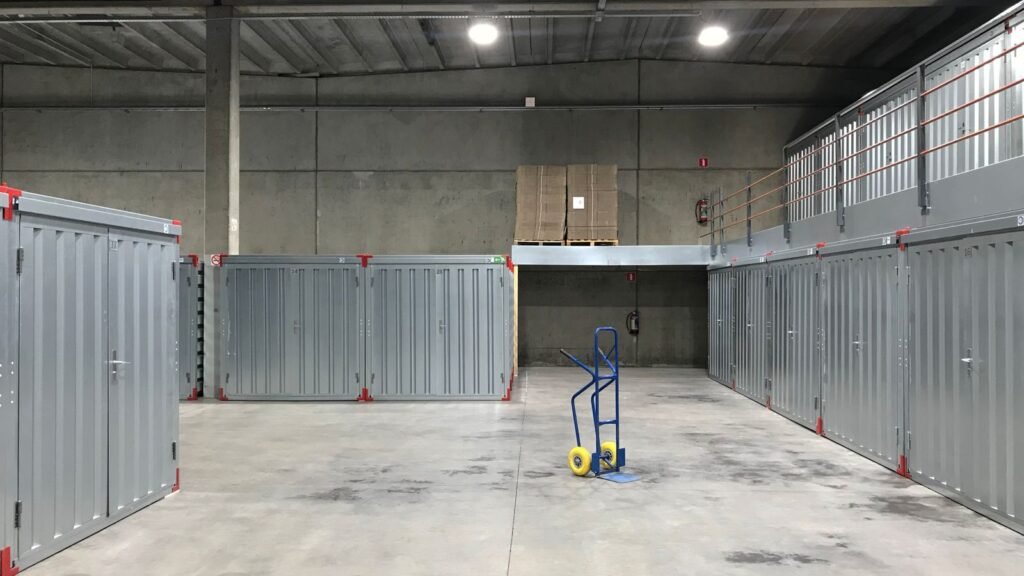
Warehouse cleaning equipment should match the floor, the material being removed and the way the building operates. A contractor needs more than a list of machines. It needs usable access, suitable products and a clear plan for working around stock and people. The equipment discussion should happen before the cleaning date.
Use the site visit to connect each proposed item to a task. Ask why it is suitable, how it will reach the work area and what checks apply. Keep equipment provision separate from assumptions about moving stock or servicing warehouse machinery. Those activities need their own agreed responsibilities.
Describe the warehouse surfaces and cleaning tasks
Start with the areas included in the clean. Record the main floor, loading areas, walkways, stairs and welfare rooms where they are within scope. Identify any room or route that remains occupied. The contractor should understand where cleaning can happen and where access needs further approval.
Explain the floor finish as accurately as you can. Bare concrete, coated surfaces and textured finishes can present different cleaning questions. Share any care instructions the site holds. If the finish is uncertain, ask the contractor to assess it before proposing a method or product.
Describe the condition rather than guessing at a solution. Loose debris, tracked dirt and marks from normal use may require different tasks. Do not assume that every patch can be removed by a stronger chemical or a heavier machine. Existing damage can also affect the result.
Tell the contractor about substances whose identity is uncertain. Do not ask an operative to treat an unknown spill as routine floor dirt. The site contact should establish the appropriate response. Cleaning should remain within the agreed scope and the controls for the actual material present.
Ask how the proposed machines fit the floor
A floor cleaning machine needs room to move and turn. Its size should suit the clear routes, doorways and areas between fixed obstacles. Ask the provider to explain those practical limits during the visit. A machine that fits an open aisle may not reach every edge or smaller room.
Discuss how loose material will be collected before any wet process. A suitable collection method can be different from the method used to clean a marked surface. Ask what happens to the material collected and where the contractor may take it. Do not assume a waste arrangement is included without checking.
Where a wet cleaning method is proposed, ask how liquid is applied and recovered. Discuss the floor finish, the amount of space available and the route people will use afterwards. A machine’s description alone does not explain whether the method fits your operating window.
Include edges, corners and areas near fixed equipment in the discussion. These may need a different approach from the main floor. The specification should identify which areas are reachable. It should also record areas that cannot be cleaned until the site arranges access or moves approved items.
Check access before equipment arrives
Confirm the entrance, unloading point and route to the work area. Check door widths and any change of level that affects the proposed equipment. Ask whether a ramp, lift or service route is available and approved. Do not assume a machine can be carried safely up a staircase.
Discuss storage during the visit. Equipment and products should have an approved place that does not obstruct people or warehouse operations. Record whether anything may remain between visits. An empty aisle or unused doorway should not become storage by default.
Tell the contractor when deliveries and vehicle movements normally occur. Cleaning access may need to be coordinated with the site’s operating plan. The provider should explain its proposed working area and sequence. The site contact should confirm who can authorise any change to warehouse routes.
Keep stock movement separate from the cleaning request. Decide who moves approved items and when. A cleaning operative should not be assumed to operate a forklift or move stored goods. Put the arrangement into the brief so both sides understand what must happen before work begins.
Review electrical equipment and power arrangements
Ask which equipment needs mains power and which uses batteries. Confirm where approved power can be obtained. The proposed route should account for cables and the people using the area. Do not let the availability of a socket become the only reason for choosing a cleaning method.
The Health and Safety Executive’s electrical safety guidance is a useful reference when discussing equipment used at work. Ask the contractor how it manages the condition and use of its electrical equipment. The site should also explain restrictions relevant to the cleaning area.
Ask what happens if a cable, plug or machine appears damaged. An operative should follow the provider’s process for reporting and removing unsuitable equipment from use. A customer should not be asked to accept an obvious defect because the cleaning visit has already started.
Do not treat an inspection label as an answer to every question. Ask which checks are appropriate to the equipment and its use. The condition observed at the visit still matters. If the provider proposes battery charging on site, confirm the approved location and the relevant manufacturer’s instructions.
Match products to the surface and the task
Ask the contractor to identify products proposed for the agreed surfaces. It should explain how the method fits the material being cleaned. A chemical suitable for one floor finish may not suit another. Provide any surface care information available from the site or manufacturer.
Discuss product information and handling before the visit. The provider should be able to explain the intended use and the controls for the task. Do not assume that familiar packaging means a product can be used anywhere. Keep containers identifiable through the agreed working process.
Ask whether a small suitability check is needed before wider application. Any check should follow an agreed method and the surface instructions. Record existing damage before work begins. A test area should not be presented as a guarantee that every mark will disappear.
Clarify how products will be stored and taken away. Agree any approved storage area and the arrangements for materials left after the job. Keep the process within the site rules. Do not add products to general waste or drains based on an assumption about what they contain.
Identify tasks that need access equipment
A warehouse clean may include surfaces above normal reach, but these tasks need to be named separately. Ask which surfaces are included and how the contractor proposes to reach them. The height and position of a surface can change the method and the controls required.
Do not assume that equipment used for the floor also provides suitable access to high areas. Ask about the proposed access method and the working area beneath it. The site contact should confirm any restrictions affecting stock, vehicles or people nearby.
Keep the task within cleaning. Cleaning near lighting, machinery or other installations does not mean permission to service them. Where the work cannot be done safely within the agreed arrangement, record the limitation and obtain a suitable plan. Do not leave the decision to an unplanned improvisation.
Discuss the proposed kit alongside warehouse cleaning in Manchester. The useful question is how the method fits your building and tasks. A general equipment list is less useful than a clear explanation of what will be brought and why.
Confirm who is responsible for each part of the setup
Write down what the contractor provides and what the site must arrange. This can include equipment, approved access, a water supply or a place for collected material. Only include arrangements that have actually been confirmed. Unresolved questions should remain visible before the date is agreed.
Name the site contact for entry and operating questions. Also ask who the contractor’s team should contact if its planned method cannot proceed. A missed access arrangement can affect the entire working window. The communication route should be practical while the visit is taking place.
Ask what the proposal assumes about the work area being clear. A provider may quote for an empty floor while stock later restricts access. Describe the actual condition expected on the day. If that condition changes, discuss the impact before expecting the original plan to continue unchanged.
Separate the agreed clean from additional tasks. An unplanned room, a different floor finish or a newly reported spill can change the work. Ask for the proposed change to be reviewed rather than adding it casually during the visit. Keep a clear record of any approved adjustment.
Check the result against the agreed specification
Agree how completion will be recorded. Identify areas cleaned, areas unavailable and tasks needing further review. A machine being present does not prove that every part of the specification was completed. The record should refer to the work, not simply the equipment used.
Review visible issues with the contractor before closing the visit where possible. Identify the location and the agreed task. Keep existing damage separate from dirt or an incomplete task. A clear description helps both sides discuss what can be addressed and what needs another decision.
Keep equipment selection in context when comparing commercial cleaning services in Manchester. Suitable kit supports a workable method. It does not replace access planning, a defined scope or a way to review the result.
Questions to ask about warehouse cleaning equipment
Can the same machine clean every part of the warehouse?
Ask how it reaches edges, small rooms and spaces around fixed obstacles. Some areas may need a different method. The proposal should name those areas and explain any access limits before work starts.
What should we confirm about power before the visit?
Confirm approved supply points, cable routes and any site restrictions. Ask whether battery charging is proposed. The contractor should explain the arrangements needed for its equipment rather than assume every socket is suitable.
Should we move pallets and stock ourselves?
Agree responsibility before the clean. Name the areas that must be clear and who can move approved items. Do not assume the cleaning team will operate warehouse vehicles or relocate goods.
How do we check a product will suit the floor?
Share the floor information and any care instructions. Ask the contractor to explain its proposed product and method. Discuss a suitability check where appropriate, and record existing surface damage before application.
What if the planned equipment cannot be used on the day?
Use the agreed escalation route. Record the reason and discuss a suitable alternative or another working window. An unexpected restriction should not lead to an unapproved method being used to finish the visit.
Prepare the equipment discussion for your warehouse
Bring the floor information, task list, access limits and operating pattern to the first discussion. Identify any surface or substance that needs further assessment. Ask the contractor to connect each item of kit to the proposed method and working window.
To discuss the clean at your site, share your warehouse cleaning requirements with Exclusive Property Facilities. Confirm the scope, access and setup responsibilities before the date is agreed. That gives the equipment plan a clear purpose and a basis for review.

Want this done properly at your property?
Tell us the building and the problem. We quote from a written specification, and contracts start with a three-month trial rather than a long tie-in.