Window Cleaning Contracts for Manchester Managed Blocks
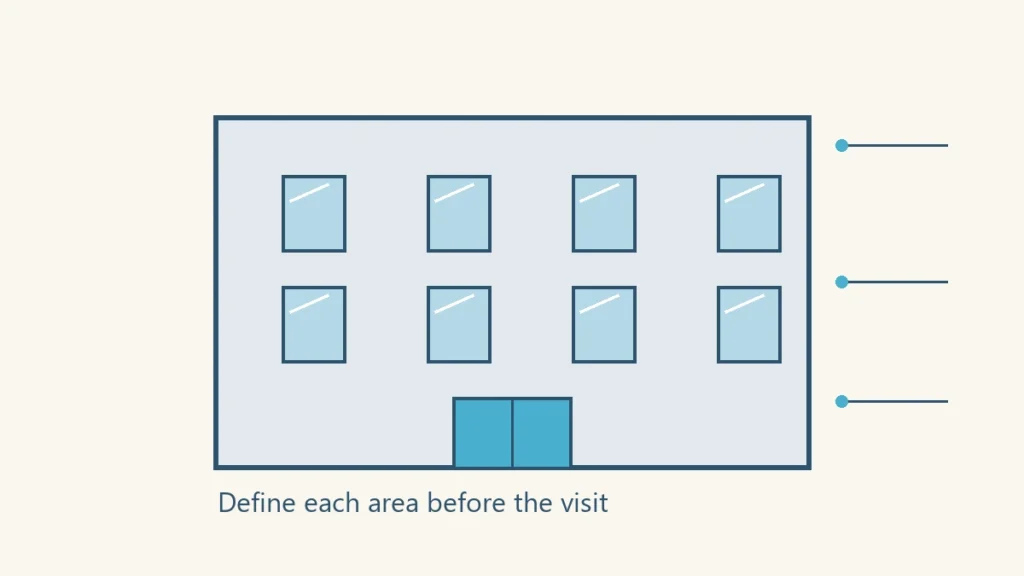
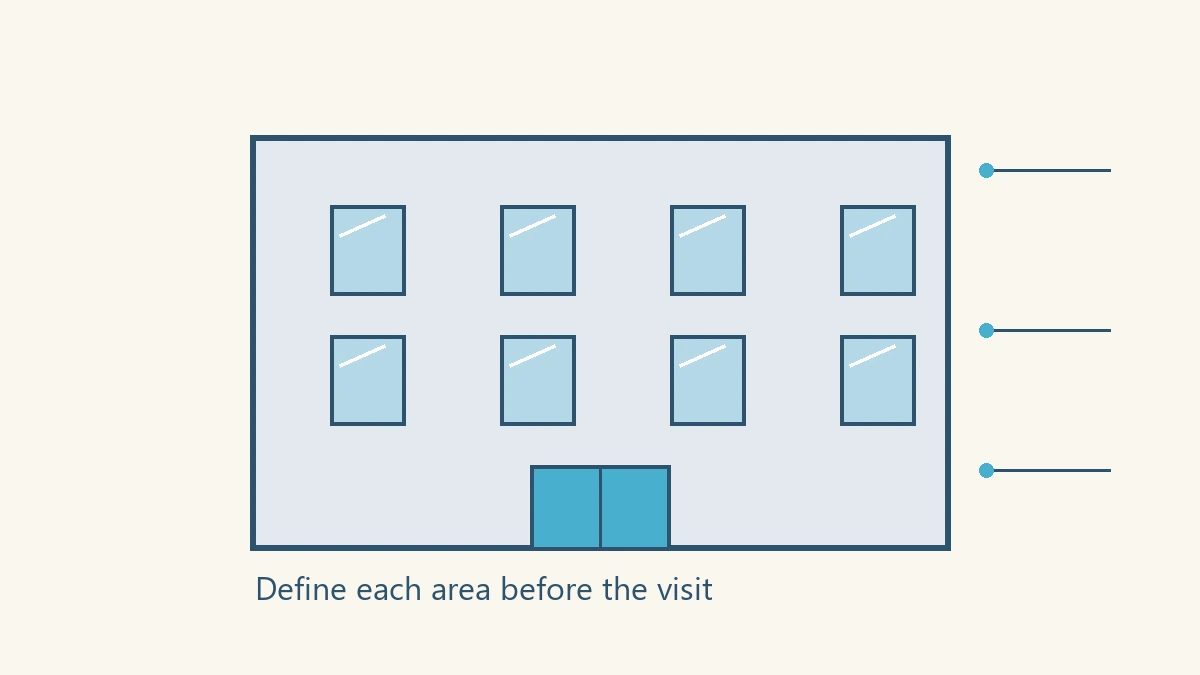
A window cleaning contract for a managed Manchester block should identify the glass included, the access method and how each visit will be checked. The number of storeys alone does not define the job. Shared entrance doors, stairwell windows, upper external panes and private flat windows can require different arrangements.
This guide is a brief for comparing scope and responsibilities. It is not confirmation that any particular contractor can provide every access method or service described. Ask what is available for the actual building and settle the exclusions in writing. A clear plan protects the useful part of the service: knowing which glazing will be cleaned and how the work will be carried out.
Build a glazing schedule before comparing prices
Start with a simple list of the areas. Separate the entrance, shared corridors, stairwells and any other communal windows from private flat glazing. Note whether the request covers inside faces, outside faces or both. Frames, sills and nearby surfaces should be named separately because a general promise to clean windows can leave them ambiguous.
Use photographs or a marked elevation to show awkward locations. Include glass above an entrance canopy, behind railings or beside parked vehicles. The purpose is to make each quoted area identifiable. A price that excludes several inaccessible panes cannot fairly be compared with a price intended to include them.
Where a block already has a communal cleaning arrangement for the block’s shared spaces, check its written scope first. Routine entrance glass may already be included while external upper windows are not. Identify the gap before buying a second overlapping service or assuming the whole building is covered.
Access should be assessed for this building
Ask the proposed contractor to identify which windows can be included and explain the access arrangement for each area. Keep that assessment specific to the building. Do not assume that mentioning a pole or another method in a quotation confirms that every listed pane can be reached.
Ask the proposed contractor to explain the method for each group of windows. A method suitable at one elevation may not work at another. Height, obstacles, ground conditions and the reach available all matter. A quotation should not leave the access decision until the worker arrives with whichever equipment is in the van.
Do not assume a ladder, pole or powered platform is automatically right or wrong. Ask how the chosen method fits the site assessment and what would trigger a change. If the contractor cannot reach a listed area using the agreed method, the exception should be reported rather than concealed in a general completion message.
Map the ground-level work area
Look beyond the glass to the space below it. Shared paths, entrance doors, vehicle spaces and delivery routes can all affect the work. Hoses and equipment need an agreed route. Residents and visitors should not be expected to discover the working area only when they open the entrance door.
Record access obstacles before the quote is finalised. A locked gate, underground parking height restriction or narrow passage may change the proposed method. Photograph the relevant feature and make it available to the contractor. Avoid promising space for equipment that is routinely occupied at the time of the planned visit.
For a city-centre Manchester block with frequent deliveries, discuss when those movements occur. For a smaller residential building, consider school runs and other busy periods. These are planning questions for the site, not a claim that every building follows the same timetable. Confirm the actual arrangements with the people responsible for the property.
Resident notices should explain the specific visit
A useful notice states the planned date or window, the areas involved and any actions needed from residents. If internal access is required, explain how it will be arranged and who will attend. If access to private flats is excluded, say so clearly rather than allowing residents to expect an individual apartment clean.
Discuss whether windows need to be closed or any items moved, using the contractor’s actual instructions. Do not copy a notice from another building without checking the method. A block using external pole work may need different information from one requiring access through shared stairwells.
Give residents a route for practical questions about access. Keep notices limited to the job and avoid unnecessary personal details. If a visit is postponed, issue a corrected notice so people do not rearrange their day for a cancelled appointment. A reliable communication plan is part of a workable window cleaning contract.
Set frequency from need and scope
No single visit frequency suits every managed block. Decide which areas need regular attention and review the condition after visits. Entrance glass with frequent hand contact is a different problem from a high external pane that is difficult to inspect from the ground.
Ask for the proposed intervals to be explained alongside the glazing schedule. Some groups of windows may be on a different round from the entrance doors. The contract should show those differences. Otherwise a resident may report a missed visit when the pane was actually assigned to a less frequent service.
Keep the review tied to visible condition, access and agreed standards. If the interval changes, amend the written schedule and price basis. Do not treat a higher visit frequency as proof of a better method. The result depends on completing the specified work, not simply recording more attendance dates.
Make weather and missed access part of the agreement
Ask how weather-related postponements will be handled. The contractor should define the circumstances that make the planned method unsuitable and how a replacement visit will be arranged. The building manager should know whether the visit moves to the next available date or is reviewed with them first.
State what happens when the agreed area cannot be accessed. A parked vehicle, locked door or resident who cannot admit the team may prevent completion. The visit record should identify the exact area and reason. An unexplained tick against the whole building makes it difficult to decide whether a return visit is needed.
Separate attendance from completion in the contract. Ask whether a partial visit, access failure or rearranged appointment changes the charge. These terms should be agreed before the problem occurs. A short, clear exception rule avoids negotiating from scratch while residents are already asking when the windows will be finished.
Verify the documents against the proposed work
Request the relevant risk assessment and method information for the actual building and access plan. A generic document may help describe a business process, but it does not show that this site’s obstacles have been considered. Read the location, date and method before treating it as the completed assessment.
Check insurance information against the activities being proposed. The purpose is to understand the stated cover and any limits or exclusions, not to assume that one policy label proves every task is covered. Ask the contractor to clarify questions with their insurer where necessary. Keep the accepted documents with the contract.
The Federation of Window Cleaners’ information about its trade association describes industry advice and offers a way to verify a claimed membership. If membership is part of a contractor’s proposal, check the claim rather than treating a logo as proof. Membership does not by itself confirm the quoted scope or establish that EPF offers every access method discussed here.
Define a finish that can be checked
Agree what the completion record will contain. A useful record identifies the date, the areas completed, the method used and any exceptions. Photographs can illustrate accessible areas, but they should not expose residents or the inside of private flats unnecessarily. Decide what evidence is appropriate before asking workers to photograph everything.
If a mark remains, distinguish dirt from a suspected surface defect before promising that another clean will remove it. The contractor can report an observation without diagnosing the glazing. Pass a potential maintenance issue to the appropriate professional instead of repeatedly adding chemical treatment to an unexplained mark.
Arrange a practical check of the relevant windows after the visit. Do not sign off only from the fact that someone attended. If a pane was outside the method’s reach, record that limitation and decide how it will be addressed. Clear exceptions preserve confidence in the areas that were actually completed.
Keep the contract connected to the building’s cleaning plan
Window work should fit the wider commercial cleaning plan for your managed Manchester block for the premises. Coordinate with entrance and floor cleaning so one task does not leave another area unfinished. Make the order of work clear where the same shared route is used by more than one team.
Keep the information in the same practical format used for other building tasks. A glazing schedule, visit record and exception note are easier to maintain than a long description nobody consults. Coordinate the shared floor-cleaning scope beneath the block’s window work where equipment uses the same route, but keep the actual glazing arrangement in the signed agreement.
When asking Exclusive Property Facilities about a Manchester block’s cleaning needs, provide the glazing list and photographs of the access points. Ask which parts can be quoted and which need a separate specialist assessment. That gives the discussion a concrete starting point without assuming services, methods or pricing that have not been confirmed.
The best next step is a brief that another person can read and understand: the glass included, the method proposed, the resident arrangements and the evidence of completion. Keep those four items aligned whenever the contract changes. A managed block’s window cleaning becomes easier to oversee when the scope is visible before the first visit.
Questions to settle before a block window-cleaning booking
Does the quotation include private flat windows?
Ask for communal and private glazing to be listed separately. An entrance or stairwell arrangement should not create an expectation that every flat will be cleaned. If private access is requested, agree the permissions, timing and contact arrangements before the visit.
Are frames and sills included?
Name them in the scope rather than assuming they follow from a request for glass cleaning. Identify inside and outside faces, any exclusions and the result to be checked. Keep the agreed list with the visit record so a later enquiry can be answered from the actual contract.
What happens when a listed pane cannot be reached?
Ask for the exact area and access limitation to be recorded. Decide whether a separately agreed method or specialist assessment is needed. A general completion message should not conceal an excluded pane or imply that work outside the quoted method has been performed.
Can a trade-association logo replace checking the documents?
No. Verify a claimed membership through the relevant organisation and review the proposed scope, method information and insurance details for the job. Do not infer specific capability or coverage from a logo, or describe EPF as a member without an independently confirmed basis.
Who should inspect the completed work?
Agree a building contact and a practical way to review the included areas. Record anything inaccessible or unresolved. Keep the check focused on the quoted cleaning result, without treating it as a diagnosis of glazing defects or certification of the building’s access arrangements.

Want this done properly at your property?
Tell us the building and the problem. We quote from a written specification, and contracts start with a three-month trial rather than a long tie-in.