Cleaning Wool Carpets Without Ruining Them, a Fibre-First Guide
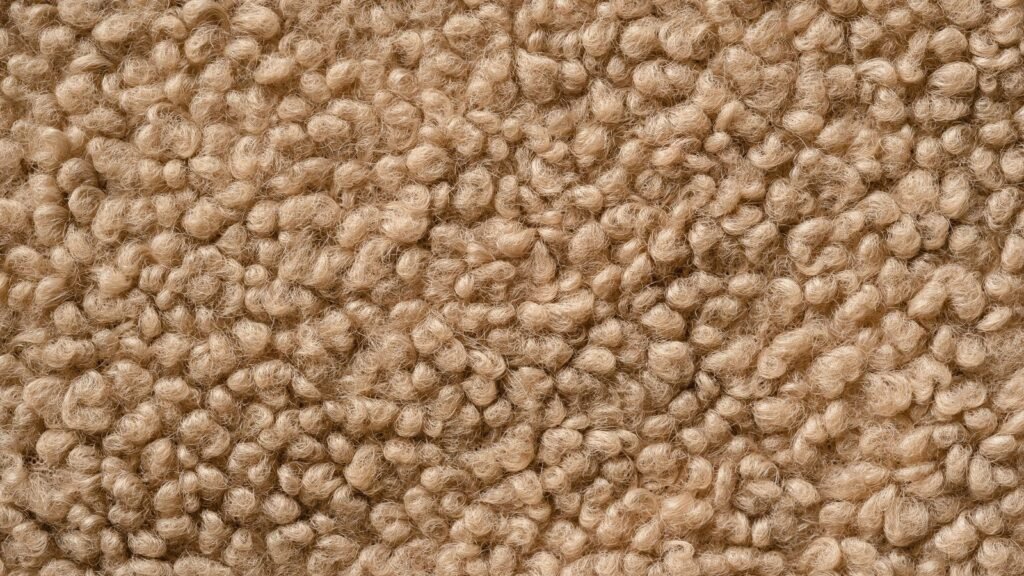
A fibre that behaves nothing like the rest of your house
If you own a wool carpet, the cleaning advice printed on the bottle under your sink was almost certainly written with synthetic fibre in mind, and following it can genuinely damage wool in ways that never happen on nylon or polypropylene. Wool is a protein fibre, chemically closer to your own hair than to any plastic based carpet, and that difference changes almost everything about how it should be cleaned. This guide stays entirely on wool, the chemistry that makes it different, the two rules that protect it, the specific risks unique to this fibre, and how to know when a stain or a patch has gone beyond what home care can fix. If a stain has already been worked on and has not lifted, our guide on carpet stain removal and what actually works is worth reading alongside this one before trying anything further.
Why wool needs different treatment
Wool fibre is covered in overlapping microscopic scales, the same structure that gives sheep’s wool its natural crimp and spring underfoot. That structure is also exactly what makes wool vulnerable to three things that barely touch a synthetic carpet. Strong alkaline chemistry, the kind found in a great many general household and bathroom cleaners, attacks the protein structure directly, dulling colour and weakening the fibre over repeated exposure. Heat combined with moisture and friction causes felting, the same process used deliberately to make felt from raw wool, and on a carpet it shows up as a permanently matted, flattened patch that no amount of further cleaning will reverse. And because wool absorbs moisture into the fibre itself rather than just on the surface, it can hold far more water than it appears to from the outside, which makes overwetting a real risk if a spill or a cleaning product is left to sit rather than lifted and dried promptly.
The two rules that protect a wool carpet
Almost every wool carpet mistake comes down to breaking one of two rules. Keep cleaning solutions close to neutral pH, and keep the water cool to warm rather than hot. The International Wool Textile Organisation, the global body for the wool industry, publishes a wool carpet care and maintenance guide that sets out exactly this, because so many household products and DIY hire machines default to alkaline chemistry and hot water settings built for synthetic fibre, and using them on wool is one of the most common causes of avoidable damage. Checking a product’s pH before it goes anywhere near wool, rather than judging a cleaner by how gentle it feels on skin, is the habit that actually protects the fibre, since skin feel tells you nothing about what a solution does to keratin.
The second rule is about technique rather than chemistry. Blot a spill, never scrub it. Scrubbing drives liquid and staining agents deeper into the pile and physically damages the fibre structure at the same time, turning a spill that could have lifted out cleanly into a permanent mark. Press a clean white cloth into the spill, working from the outside of the mark inward, and change to a fresh part of the cloth as it picks up colour. Apply any cleaning solution to the cloth first, never directly to the carpet, since spraying straight onto wool pushes the problem down toward the backing and outward into fibre that was never affected in the first place.
Drying discipline, and why it matters more on wool
Because wool holds moisture inside the fibre rather than just on its surface, slow drying is a bigger risk on wool than on any synthetic. A carpet left damp for hours in a cold, poorly ventilated room is at real risk of a musty smell developing, of dye bleeding or wicking back up from the backing as it dries unevenly, and in the worst cases of the beginnings of felting where the fibre has stayed compressed and wet for too long. After any wet cleaning, professional or DIY, get air moving through the room, open windows where the weather allows it, and use fans or a dehumidifier rather than simply closing the door and leaving it. A wool carpet that dries within a few hours rather than overnight comes through a clean in noticeably better condition.
The risk unique to wool, moth damage
Wool is one of the very few common carpet fibres that insects will actually eat, and carpet moth larvae specifically target the keratin in wool fibre in a way they have no interest in doing to synthetic pile. This risk concentrates in areas that are rarely disturbed, under heavy furniture, along skirting board edges, inside wardrobes, and beneath rugs that are never lifted or moved. Regular vacuuming, including getting the vacuum into edges and under furniture periodically rather than only ever cleaning the open floor area, is the single most effective defence, because it disturbs eggs and larvae before they can establish themselves. A wool carpet that is otherwise well cared for but never has its edges or the space under a sofa vacuumed is far more exposed to this risk than the visible wear of the carpet would suggest.
New wool carpet shedding, and why it is normal
New wool carpet sheds loose fibre for the first several months after fitting, sometimes leaving a visible dusting even after vacuuming. This is a normal part of settling in, not a sign of poor quality or a fault, and it stops on its own. The mistake to avoid is easing off on vacuuming during this period because it seems to make no visible difference. Keeping the vacuuming routine consistent through the shedding period is what actually gets it to stop sooner rather than later.
When to stop and call a professional
Wool responds extremely well to correct professional cleaning and, treated properly, can look close to new for many years. It does not respond well to a second attempt after a home treatment has already gone wrong. Stop and call in a professional if a stain covers more than a hand span, if it has already dried in rather than being fresh, if the carpet has been left wet for more than a few hours, or if an area already treated at home now looks lighter, feels rough, or has changed texture. Felted or alkali damaged wool fibre cannot be restored once the structural damage has happened, which is exactly why the two rules above are worth following from the first spill rather than after a mistake.
Vacuuming technique that actually suits wool
Wool carpet benefits from a slightly different vacuuming approach than synthetic pile. A beater bar or rotating brush set too aggressively can fuzz and pull at wool fibre over time, especially on a looped or Berber weave, so a suction only setting or a gentler brush height is usually kinder to the pile while still lifting grit effectively. Vacuuming direction matters too. Working in the same direction as the pile lay keeps the carpet looking even, while crossing it in multiple directions on every pass can leave a slightly patchy, shaded appearance that has nothing to do with dirt and everything to do with how the light catches the fibre. None of this needs to slow the job down, it is simply a different default setting rather than extra work.
Sunlight, colour and where to be careful
Wool takes dye differently to synthetic fibre and can fade or shift tone under sustained direct sunlight faster than some people expect, particularly on darker or more saturated colours near south facing windows. This is not a cleaning issue as such, but it interacts with cleaning in one practical way, uneven fading can make a professionally cleaned area look mismatched against a section of carpet that has spent years under strong light, simply because the clean has lifted ingrained soiling that was itself masking some of the colour difference. Rotating rugs periodically and using blinds or curtains during the brightest part of the day protects both the colour and the fibre, and is worth mentioning here because it is the one wool specific issue that cleaning alone cannot fix or prevent.
Rugs versus fitted wool carpet
A wool rug and a fitted wool carpet are cleaned on the same underlying principles, neutral pH, cool to warm water, careful drying, but a loose rug carries one extra risk a fitted carpet does not, colour bleed between the rug and the fringe or backing if it is oversaturated during cleaning. Rugs with a natural fibre backing or a fringe should always be tested for colourfastness on an inconspicuous corner before any wider treatment, and are generally safer cleaned flat rather than with heavy brushing, since a fringe in particular tangles and mats easily under an aggressive machine.
Getting a wool carpet properly assessed
Fibre identification and a colourfastness test are the first things we do on any wool job, before any water or product goes near the carpet, precisely because the wrong assumption at that stage is what leads to the damage described above. If you have a wool carpet anywhere in Prestwich, Whitefield, Crumpsall or across north Manchester that needs a proper clean rather than a guess with a hire machine, get in touch and we will treat it the way the fibre actually needs.
Want this done properly at your property?
Tell us the building and the problem. We quote from a written specification, and contracts start with a three-month trial rather than a long tie-in.