Antiviral Fogging in Workplaces, When It Is Actually Worth It
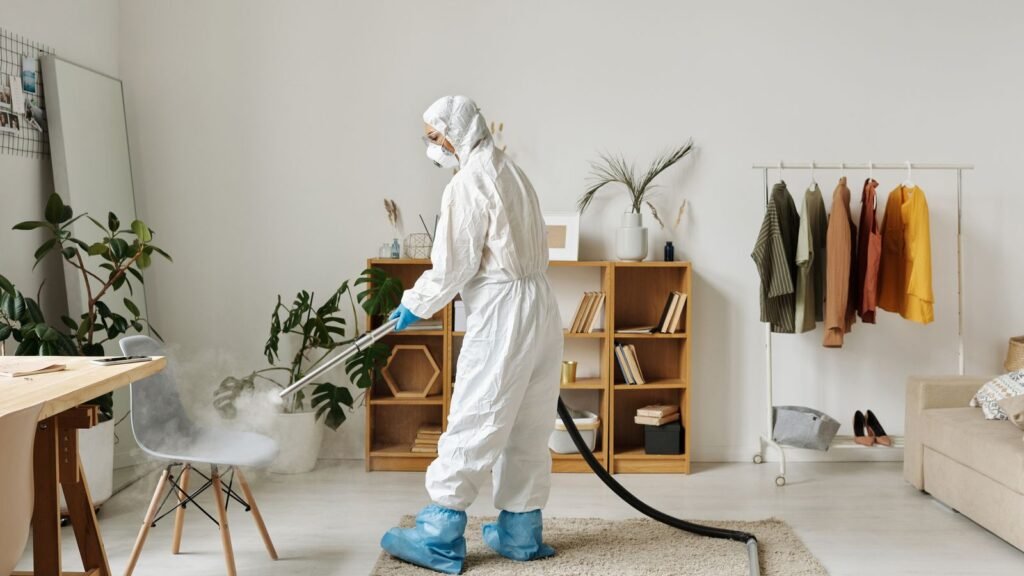
A workplace asking about antiviral fogging needs a specific proposal rather than a reassuring service label. Identify what has prompted the enquiry, which rooms and surfaces are involved and what result is being requested. A general description of fogging does not establish that a particular product or method is suitable for your premises.
This guide helps a Manchester workplace prepare questions about the cleaning scope and any proposed additional treatment. It does not recommend a treatment for an illness outbreak or promise prevention of infection. Where there is an infection-control concern, keep the relevant professional guidance separate from a commercial cleaning quotation.
Define the concern before selecting a service
Describe the actual condition of the premises. Identify visible soiling, surfaces needing attention, access restrictions and the cleaning already in place. A request made after an event, a change of use or a missed cleaning task may call for different scope questions. Do not assume that the same named treatment answers every situation.
Ask which part of the requested result is ordinary cleaning and which part, if any, is a proposed additional process. Keep both items visible in the quotation. A person comparing proposals should be able to tell which surfaces will be cleaned, which treatment is being considered and what is excluded.
The International Scientific Forum on Home Hygiene’s targeted-hygiene factsheet describes focusing hygiene interventions on relevant transmission routes at the times they matter. Its subject is home hygiene. It is not a comparison trial of workplace fogging methods and should not be used as proof that a fogging treatment outperforms, or is inferior to, manual cleaning in your building.
Keep the enquiry grounded in that distinction. A useful proposal explains the specific work and the evidence supporting any claimed result. It should not rely on a broad hygiene reference to imply a product-specific antiviral effect, a guaranteed reopening outcome or a reduction in illness that has not been established.
Request product and method information in writing
If a treatment is proposed, ask for its product name, intended use and the method being quoted. The word fogging alone leaves those details open. Ask the provider to identify the manufacturer’s instructions and explain which proposed surfaces and conditions the product information actually covers.
For an enquiry about the proposed fogging scope for your Manchester workplace, describe the premises and ask what can be assessed. Do not assume that every treatment method, specialist setting or desired result is available. The reply should distinguish the proposed work from any task requiring a separate professional assessment.
Ask for the basis of any antiviral claim in the quotation. The information should match the actual product, application method and stated conditions. A brochure heading or photograph of equipment does not by itself establish effectiveness against a particular organism or confirm that the proposed use is appropriate for the premises.
Keep the documents with the written scope so the person authorising the visit can review them. Where the information is incomplete or unclear, resolve the question before accepting the treatment proposal. Do not turn uncertainty into a guarantee simply because the booking has an urgent date.
Separate the cleaning tasks from any added treatment
List the surfaces that need cleaning and the requested areas. Identify dirt, dust, marks and other visible material where possible without diagnosing contamination. Confirm which tasks are included in the preparation and which remain the workplace’s responsibility. A quotation should make that division clear.
For a commercial deep-cleaning assessment for your workplace’s requested surfaces, supply care information for the materials and equipment involved. State any specialist room, delicate item or inaccessible area separately. A request for a deeper clean should not imply that every surface can be treated identically.
If the provider proposes a cleaning stage followed by another process, ask for the sequence and the completion criteria for each stage. Record the exclusions as well as the work included. Do not use a treatment label to conceal missing cleaning tasks or imply that an inaccessible area has been addressed.
Keep any technical or infection-control advice with the relevant professional source. A cleaning contractor can explain its proposed scope without determining the cause of staff illness or certifying that a healthcare or care environment meets all of its obligations. Those questions need the appropriate separate assessment.
Agree preparation and occupancy arrangements
Ask the provider for preparation instructions tied to the actual product and method. Identify who will prepare the rooms, secure belongings and make equipment accessible. Staff should not have to infer those requirements from a generic notice or instructions used for a different treatment.
Confirm how occupancy restrictions and any return-to-use conditions will be communicated. Ask which document supports the proposed timing and who verifies that the stated conditions have been met. Do not assume that an absence of visible mist or a fresh smell confirms that an area is ready to be occupied.
Where the proposal involves building systems, ask who is authorised to make decisions about them and what the relevant instructions require. Do not pause ventilation, alter controls or change operating arrangements on the basis of this general guide. Keep such decisions with the responsible people and the specific assessment.
Settle what happens if the rooms cannot be prepared as agreed. The provider should identify whether part of the visit can proceed, whether the scope needs review or whether another appointment is necessary. Record any change before the work is carried out rather than correcting the paperwork afterwards.
Compare the actual scope and evidence of completion
Compare proposals by the rooms, surfaces, preparation tasks and process included. Do not assume that a shorter appointment means a more efficient treatment or that a larger machine means better coverage. Ask what the provider will record and how the proposed result can be reviewed.
Keep pricing questions tied to the written scope. A quotation for cleaning only should not be compared as if it includes every additional treatment mentioned by another provider. Identify access exclusions, separate specialist work and any preparation the workplace must arrange itself.
The completion record should state what was done, where it was done and any limitation. If an area remained inaccessible, name it. Ask for product and method details relevant to the accepted proposal, without treating an attendance record as proof of an infection-prevention outcome.
Where an observation needs further assessment, agree the next action and owner. A remaining mark or a reported illness should not prompt an automatic repeat treatment without understanding the question being addressed. Keep cleaning records separate from clinical advice and claims about the source of an infection.
Review the wider workplace cleaning plan
Before adding a service, review the tasks already requested and the work actually completed. Ask whether a gap concerns preparation, access, the written schedule or a surface not included in the contract. Those questions can be answered from the premises and the records without inventing comparative treatment benefits.
A commercial cleaning plan for your Manchester workplace should identify the agreed areas and responsibilities. Record any separately assessed treatment as a distinct task. This keeps a discussion of fogging from replacing the practical schedule used for routine cleaning.
Review changes to occupancy or use with the workplace contact. New equipment, different access arrangements or an area with specialist requirements may affect the cleaning scope. Ask for the proposal to be assessed against the current premises rather than carrying forward an older method without checking the details.
Keep the review focused on what can be substantiated. Avoid promises that a routine clean or an added treatment eliminates every infection risk, protects vulnerable occupants or provides a particular commercial return. The enquiry should produce a clear scope and documented basis for any specific claim.
Questions to settle before accepting a proposal
Does the service name prove an antiviral result?
No. Ask for evidence specific to the product, method and conditions proposed. Check what the claim actually covers and what it excludes. A general term in a quotation should not be treated as proof of effectiveness against a particular organism or as a promise about future illness.
Is fogging recommended here after an illness outbreak?
This guide does not make that recommendation. Keep outbreak and infection-control decisions with the appropriate professional guidance. Describe any relevant concern in the cleaning enquiry without asking a commercial quotation to substitute for a clinical or specialist assessment.
Who prepares the space and handles building controls?
Agree the responsible people and obtain instructions for the actual proposed process. Keep authority over ventilation and other building systems with the relevant contact. Do not change controls or remove equipment based on a generic preparation checklist that has not been assessed for your premises.
How is return to normal use agreed?
Ask which product instructions and assessment determine the conditions for return. Identify who checks those conditions and tells the workplace contact. Avoid accepting an invented universal waiting period or assuming that a room’s appearance alone establishes readiness for occupation.
What if the proposal’s evidence is incomplete?
Resolve the missing information before accepting the added treatment. You can still discuss a defined cleaning scope while keeping the separate treatment decision open. Ask for a written clarification so the final agreement reflects what is actually supported and what the workplace has authorised.
To discuss the premises and requested work, ask EPF to assess your workplace cleaning and proposed treatment scope. Include the areas, surface details, access arrangements and questions you want resolved. A clear enquiry provides a practical starting point without promising a medical or product-performance outcome.

Want this done properly at your property?
Tell us the building and the problem. We quote from a written specification, and contracts start with a three-month trial rather than a long tie-in.