Sofa and Upholstery Cleaning at Home, What Works and What Damages
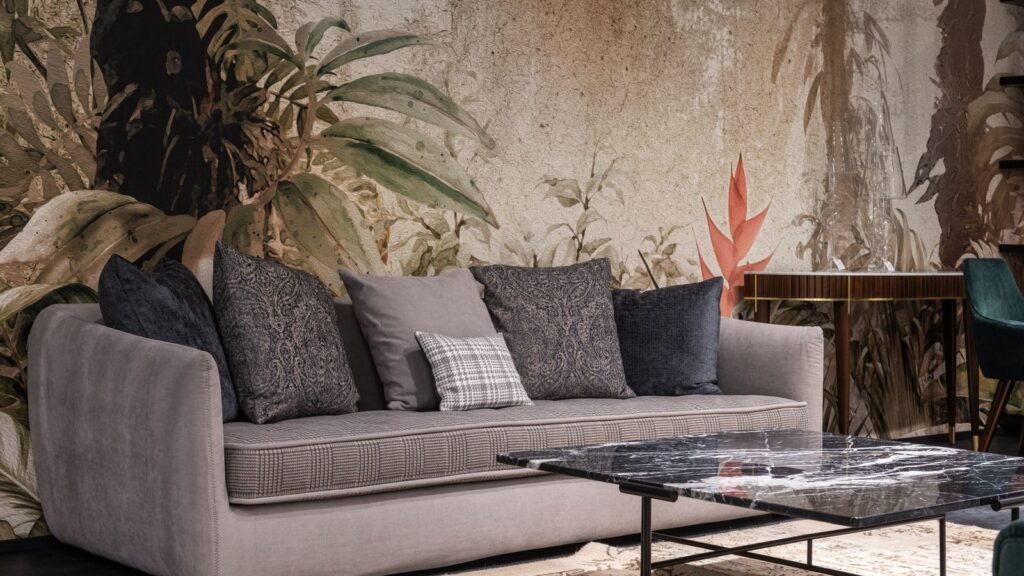
A sofa works harder than any other piece of furniture in the house. It is sat on for hours every day, eaten on, slept on, jumped on by children and claimed by pets, and unlike clothes or bedding it can never go in the wash. Small wonder that sofa cleaning is one of the most searched household questions, and small wonder that the internet’s answers range from genuinely useful to actively destructive. The difference matters, because a sofa is an expensive item, and the most common cleaning injuries, water marks, colour loss, shrunken covers and felted fabric, are permanent.
This guide sorts home upholstery care into three honest categories, what you can safely do regularly, what you can attempt with care, and what you should never do regardless of how confidently a video presents it. It finishes with what professional upholstery cleaning involves and when it is clearly the right call.
First, Read the Label Nobody Reads
Somewhere under the seat cushions or along a seam, most sofas carry a cleaning code on a label, and it is the single most useful piece of information you have. W means water-based cleaning is acceptable. S means solvent cleaning only, and water will mark or ring the fabric. WS or SW means either, with care. X means neither, vacuum only, and any liquid is a risk. These codes exist because upholstery fabrics vary enormously, from tough woven synthetics that tolerate a lot, through cotton and linen blends that watermark easily, to viscose and silk-content fabrics that can be damaged by water alone.
Furniture standards, testing and technical guidance for the UK furniture industry are the territory of FIRA, the Furniture Industry Research Association, and the reason manufacturers label so cautiously is that fabric behaviour under cleaning is genuinely technical. Older and secondhand sofas often lost their labels years ago, and reupholstered pieces may carry a label that no longer describes the fabric actually on them, so the label is a starting point rather than a guarantee. If your sofa has no label, treat it as delicate until proven otherwise, and test anything you plan to do on a hidden area first, ideally the back lower panel, and wait for it to dry fully before judging.
What Genuinely Works at Home
The most valuable sofa care is undramatic and preventative. It costs almost nothing and makes years of difference.
- Vacuum weekly with the upholstery tool, including under cushions, along seams and down the sides, removing the gritty dry soil that abrades fabric
- Rotate and plump cushions so wear and flattening spread evenly instead of destroying the favourite seat
- Blot spills instantly with white kitchen towel, pressing not rubbing, working from the outside of the spill inwards
- Keep sofas out of strong direct sunlight where possible, because fading is cumulative and uneven
- Use washable throws in the seats pets and children favour, and wash them often
- Brush pet hair off regularly with a rubber brush or damp rubber glove before it works into the weave
For W-coded fabrics, careful spot cleaning of fresh marks is reasonable, using a tiny amount of diluted mild detergent solution on a white cloth, applied to the cloth rather than poured on the fabric, blotted through and then blotted again with plain water and dried quickly. The discipline is minimal moisture, always tested somewhere hidden first, and stopping the moment anything looks doubtful.
The Popular Methods That Cause Real Damage
Professional upholstery cleaners spend a surprising share of their time on damage caused by home treatments rather than by original stains. The same culprits come up constantly. Scrubbing, which felts fibres, spreads stains and wrecks the surface texture of the fabric permanently. Soaking, because a saturated cushion or arm dries slowly from the inside, producing watermarks, browning, mildew smells and sometimes shrinkage that means covers never fit again. Steam mops and clothes steamers, which force heat and moisture deep into fabrics never designed for either.
Product misuse causes the rest. Bicarbonate of soda ground into fabric and never fully retrieved by a domestic vacuum. Coloured or perfumed general cleaners that add their own stain to the original one. Bleach-containing bathroom sprays, which strip dye on contact and turn a mark into a permanent pale patch. Washing machine cycles for covers labelled dry clean only, which shrink or distort them beyond use. And on S-coded and X-coded fabrics, any water-based anything at all. Each of these converts a recoverable situation into an irreversible one, which is exactly the wrong direction of travel.
Leather Needs a Different Rulebook
Leather sofas fail differently. The finish, not the hide, is usually what home cleaning destroys. Baby wipes are the classic offender, because their ingredients gradually break down leather finishes, leading to the sticky, cracked patches that appear a year later on wipe-cleaned sofas. Strong detergents and abrasive cloths do similar damage faster.
Safe home care for finished leather is modest, regular dusting, vacuuming in the crevices, a barely damp cloth for marks, and a proper leather care product used per its instructions a few times a year. Aniline and semi-aniline leathers, the soft, natural-looking ones, absorb liquids readily and mark easily, and they belong with a professional for anything beyond dusting. If you are not certain which type you own, the water-drop test on a hidden spot, seeing whether a drop sits on the surface or absorbs, is a useful first indication.
What Professional Upholstery Cleaning Involves
A professional starts where this guide started, with identification. Fibre content, construction, colourfastness and cleaning code determine method, and the method is tested before it is applied. Robust W fabrics are typically cleaned with hot water extraction, using upholstery-specific tools that control moisture tightly, so the sofa is clean through the depth of the fabric and dry within hours rather than days. Delicate and S-coded fabrics get low moisture or solvent-based processes designed for exactly those materials. Pre-treatment deals with specific stains, and grooming and controlled drying finish the job.
The result on a typical family sofa is usually striking, several shades brighter, odour-free and texturally revived, because years of embedded soil come out that no surface wiping could reach. Professionals will also tell you honestly when a fabric is too fragile or too far gone, and when a stain is permanent, before any money changes hands. Many households pair sofa cleaning with carpet cleaning in the same visit, since the equipment, and the reasons the fabrics got dirty, are largely shared.
When to Call a Professional Rather Than Persist
Some situations are clear professional territory from the outset. Any stain that has dried and set, anything involving pet urine, which penetrates deep into cushion fillings and needs treatment there rather than at the surface, ink, wax, gum and cosmetics, any marking on S or X coded fabric, smoke or cooking odour held in the upholstery, and any sofa you would genuinely mind ruining. As a rhythm, a professionally cleaned sofa once every twelve to twenty-four months, with good weekly habits in between, keeps most family sofas looking far younger than their age. More fabric care detail lives in our cleaning guides if you want it.
Living With Pets, Children and a Sofa You Still Like
Busy households do not need perfection, they need damage limitation that fits real life. Washable throws over the most-used seats absorb the daily wear and go through the machine weekly, which quietly protects the fabric underneath for years. A strict no-shoes-on-the-sofa habit for children costs nothing and prevents the gritty transfer that dulls seat fronts and arms. For pets, a dedicated blanket on their chosen spot works with their habits instead of against them, and regular brushing of the animal itself reduces what reaches the upholstery in the first place.
Accidents in these households follow a pattern too, and the response window is everything. Fresh urine blotted thoroughly and treated promptly is a manageable job, while urine left to dry migrates into cushion fillings and frame timber where surface cleaning cannot follow, which is why pet odour is the single most common reason sofas get replaced early. The same urgency applies to milk, which turns unpleasant inside a cushion within days, and to anything sugary, which dries invisible and then reappears as a grey patch wherever dust sticks to the residue. The rule of thumb for family sofas is simple, act within the hour, keep it gentle, and escalate to a professional the moment a smell rather than a mark is the problem.
Giving Your Sofa the Treatment It Deserves
The honest summary is that home care keeps a sofa nice, and professional cleaning gets a sofa back. Both have their place, and the damage happens in the space between them, when home methods are pushed beyond what the fabric can take. Exclusive Property Facilities cleans sofas, armchairs and upholstery across Manchester, with fabric-appropriate methods, straightforward advice on what will and will not come out, and drying times that respect the fact you would like to sit down this evening. If your sofa is due some proper attention, get in touch for a quote and tell us what you are dealing with.

Want this done properly at your property?
Tell us the building and the problem. We quote from a written specification, and contracts start with a three-month trial rather than a long tie-in.