Cleaning Painted Walls Before a Rental Handover
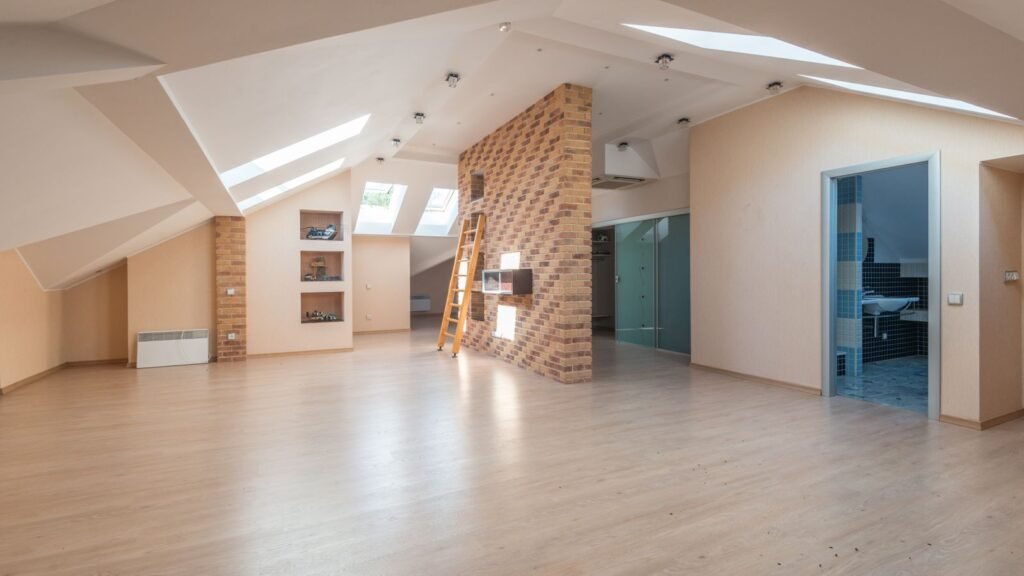
Cleaning painted walls before a rental handover can mean removing a few fingerprints or discovering that the finish needs repair. Those are different jobs. A request to make every wall look newly painted leaves too much open to interpretation, especially when nobody knows which paint was used.
Start with the wall’s condition and the coating information. Agree which marks will be assessed, how any trial will be approved and where cleaning must stop. This helps a landlord, resident or managing agent arrange a realistic visit without treating damaged decoration as ordinary dirt.
Identify the finish before choosing a method
Ask for the decorating record, product name and any instructions left by the painter. The colour name alone is not enough. Two walls can share a shade while having different finishes or products. A recent touch-up may also differ from the surrounding area.
If there is no record, say that the coating is unknown. Do not label it washable because it looks smooth or has survived a previous clean. A trial on one wall does not establish that every room has the same paint.
Dulux’s guidance on cleaning painted walls recommends removing loose dust first, using soft cloths or sponges and cleaning gently with mild soapy water. It cautions against excessive moisture and describes rinsing away detergent. Those points are a starting reference, not permission to use one method on every coating.
Follow the specific product’s care advice where it is available. For newly decorated rooms, ask the decorator when cleaning can begin. A wall that feels dry is not, by itself, evidence that it is ready for washing. Leave uncertain finishes out of the agreed cleaning scope until the responsible person has obtained suitable guidance.
Make a simple record of the marks
Walk through the rooms before moving furniture or starting work. Note marks by location rather than writing only that the walls are dirty. A photograph of the whole wall and a closer picture can show where an issue sits.
A useful note might read, “Bedroom two, wall beside the wardrobe, three dark marks near shoulder height.” That description lets another person find the same area. It is more useful than a close photograph with no room label.
Separate surface marks from flaking paint, cracks, dents, loose paper or staining whose cause is unknown. The cleaner does not need to diagnose a building defect to flag it. Record what is visible and refer the question to whoever manages repairs.
Photographs support the work record; they do not decide who caused a mark or who must pay for it. Keep the cleaning brief separate from any disagreement about a tenancy deposit. The people handling that process should use their own evidence and applicable procedures.
Agree exactly what the cleaning visit covers
Wall cleaning is not automatically a full-room task within an end-of-tenancy cleaning visit for a Manchester rental. Ask whether the quotation includes selected marks, accessible wall areas or another defined scope. Get the answer before the team arrives.
List any excluded surfaces. These might include an unidentified feature finish, wallpaper, recently painted sections or areas with visible damage. Make those exclusions easy to recognise, using room names and photographs where helpful.
Decide who may approve extra work if the initial assessment reveals more than expected. A cleaner should not have to choose between leaving a resident disappointed and attempting an unagreed treatment. A named contact and a clear stopping point help resolve that situation.
Also state whether pictures and furniture will already be moved. Clearing a wall, cleaning it and returning heavy items are separate parts of the visit. Agree responsibilities without assuming the cleaning team can safely move every object.
Use a trial with a clear decision point
Where the coating guidance allows the proposed method, agree a small, unobtrusive trial area. Record its location and who has approved it. Do not start with the most visible section simply because that is where the largest mark sits.
Look at the result after the area has dried, in the room’s usual light. The question is not only whether the mark has faded. Check whether the trial has changed the surrounding appearance or left an obvious boundary.
If the finish changes, stop and report the result. Repeating the same treatment over a wider area may create a larger problem. A partial improvement does not justify increasing pressure or switching to a stronger product without checking suitability.
Keep the trial decision with the job notes. If the person authorising the work cannot review the result immediately, arrange the next step rather than proceeding by assumption. This is especially helpful where a managing agent is approving work remotely.
Distinguish cleaning from decoration and repairs
A dent will remain a dent when its surrounding surface is clean. Missing paint does not reappear after wiping. Set those expectations before the final inspection, so everyone knows which items need a decorator or another contractor.
Do not use a cleaning visit to cover an unexplained recurring stain. Record it and ask the property manager to investigate its cause. The correct next action may depend on something beyond the visible surface.
Where several trades are involved, put the work into an agreed order. Repairs or decoration may need to happen before the final clean. Keep their scope and responsible provider separate from the residential cleaning plan for your Manchester rental handover. A cleaning booking should not absorb repairs or decoration simply because those tasks affect the same wall.
A cleaner’s completion note can say that accessible marks were treated using the agreed method and that specific damaged areas remain. It should not claim that a room has been redecorated, restored or made defect-free when that work was never part of the instruction.
Plan access around the rest of the property
Wall work needs enough space to reach the agreed area without leaning across belongings. Ask the occupier to remove personal items and fragile objects beforehand. Decide where larger items will go so they do not block the route through the room.
Photograph existing furniture positions if the handover requires them to be restored. Keep the route to the door clear during the visit. Do not make access depend on standing on furniture or improvised supports.
Identify sockets, switches and fitted equipment before work begins. Include any areas that the team must leave untouched. Cleaning around a fitting does not authorise dismantling it or carrying out electrical work.
If a residential deep clean for your Manchester rental is booked at the same time, agree the sequence with the contractor. The room should not need to be disturbed repeatedly because one part of the job was arranged independently of the others.
Write a handover note that another person can use
At completion, review the same locations recorded before the visit. Use comparable photographs where practical. Avoid relying on one wide room photograph to prove what happened to an individual mark.
Divide the outcome into work completed, areas intentionally left alone and matters referred for another decision. Those categories keep the record clear. They also prevent an agreed exclusion being mistaken for a missed task at a later inspection.
For each unresolved area, state the next action and owner. For example, the property manager may need the paint specification before another trial. A decorator may need to assess damaged paint. The record should say who will arrange that step.
Keep the product details and approved method with the property information. That gives the next cleaner a useful starting point. Update the note if a wall is later repainted, because the old instructions may no longer describe its finish.
Questions to settle before booking
What should I send in a wall-cleaning enquiry?
Send one short room list with the photographs. For each room, include the approximate number of marked areas, the known paint product and anything preventing access. Flag any recent decoration separately. This gives the contractor a clearer basis for planning than a message saying that all walls need attention.
How should an occupied room be prepared?
For an occupied rental, agree how the resident will prepare the room and protect private belongings. A photograph used to explain a wall mark should avoid unnecessary personal details. Confirm who will open the property, stay available for decisions and secure it afterwards. These arrangements are worth settling even when the cleaning itself is small. An otherwise straightforward job can lose its appointment if the team cannot reach the agreed wall.
Can photographs confirm every coating?
Ask whether the contractor has seen photographs and whether an on-site assessment is needed. A description over the phone may be enough to plan a visit, but it cannot establish the condition of every coating.
What if the surface differs from the brief?
Confirm how additional time or excluded work will be handled. An initial quotation should make its assumptions clear. If the actual surface differs from the brief, agree any revised scope before the extra work starts.
When should the result be reviewed?
Find out who will attend the final inspection and when it can take place. Leave enough time for the treated areas to be assessed properly. A rushed inspection while surfaces are still changing in appearance can lead to unnecessary disagreement.
To discuss a wall clean before a rental handover, contact EPF about cleaning painted walls and share the rooms, known finishes, photographs and intended handover date. That gives everyone a practical basis for deciding which marks can reasonably be cleaned, which need further advice and which belong in the repair plan.

Want this done properly at your property?
Tell us the building and the problem. We quote from a written specification, and contracts start with a three-month trial rather than a long tie-in.