Student Accommodation Blocks in Winter, Communal Areas and Turnover
Start with the student building’s actual occupancy
Winter cleaning in a Manchester student block should follow the building’s actual occupancy. Some residents may travel over the Christmas break while others stay. Departures and returns may be spread across several dates. Ask the accommodation manager for the expected pattern instead of treating every building as empty for the same fixed period.
Use that information to separate routine communal cleaning from a pre-break clean, a return-period reset and any individual room turnover. Each has its own areas, access and tasks. A written schedule should explain what continues, what changes and who can approve an adjustment when residents’ plans differ from the original brief.
What actually happens to kitchens left over the break
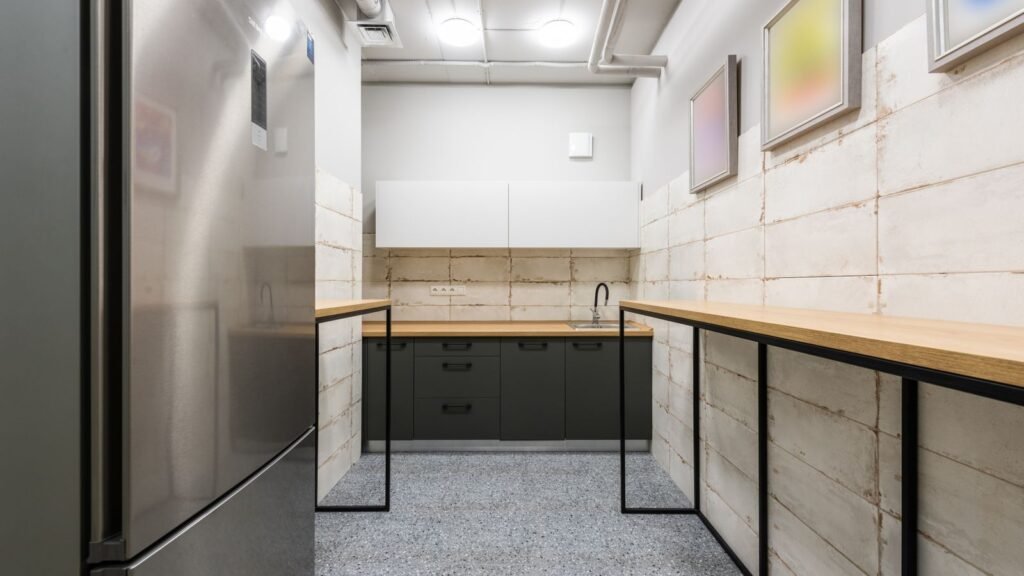
List the kitchens and food-storage areas included in the request. Ask the manager what residents should remove or put away before travelling. A cleaner should not decide independently which food or belongings may be discarded. Put permissions and exclusions into the instruction before arranging a fridge or cupboard clean.
Plan the accessible surfaces, such as cleared worktops, sink areas and agreed appliance exteriors. If internal appliance cleaning is required, confirm the preparation and method separately. Check who can provide access while residents are away. Keep rooms that remain in use on a workable routine rather than assuming that every kitchen is available for a deep clean.
The quiet weeks are not actually quiet for a proper spec
A reduction in occupancy can change the cleaning requirement without removing it entirely. Identify the rooms still in use and the areas that can receive periodic attention. Ask the contractor to explain the proposed visit pattern against those spaces. Review the plan if access or occupancy changes rather than relying on an annual average.
Building security, heating, water-system controls and maintenance inspections remain the manager’s separate responsibilities. A cleaning visit does not replace those arrangements. Name the contact who receives reports of conditions that affect cleaning, and explain what the operative should do if an agreed room or method is unavailable.
What has to be ready for the January return
Ask the manager when residents are expected to return and which communal areas will be in use. Plan the relevant cleaning before those areas are needed, subject to confirmed access and the actual condition. A full communal reset, kitchens, corridors, stairwells, communal lounges where a building has them, timed around the confirmed access window and planned return, gives a building the chance to actually present well on the day everyone comes back, rather than looking like it is still catching up on three weeks of accumulated dust and general neglect from the empty period.
This reset is a different job to routine term-time cleaning, closer to the kind of full communal deep clean that a heavily used shared space benefits from periodically anyway, and using the empty weeks specifically for that deeper work, rather than trying to fit it in around residents during a busy term, is one of the genuine advantages the Christmas emptying offers a well planned cleaning schedule.
Match the communal specification to room use
A specification written around average usage across a year understates what a communal kitchen, corridor or bathroom actually experiences during the weeks a building is at full occupancy with every resident on the same term-time schedule, using the same shared spaces at the same times of day. Term-time communal areas in a fully occupied student block see a volume of use that a lower, averaged specification simply does not match, which is why a spec built for this property type needs to be set against peak occupancy reality rather than a smoothed annual average that looks reasonable on paper but leaves communal areas visibly under-maintained during the exact weeks they are under the most pressure.
Purpose built blocks and converted HMOs face this differently
A purpose-built block and a smaller shared house can present different room layouts, access arrangements and cleaning instructions. Describe the actual premises. Do not infer a service level from the building label alone. Identify kitchens, lounges, bathrooms and circulation routes individually, including any area managed or cleaned by someone else.
Where one manager arranges several properties, give each address its own specification. Record the areas used by remaining residents and the proposed preparation for each visit. A common reporting method can help the manager review exceptions, but it should not hide differences between the properties or assume every room turns over on the same date.
Keep waste removal separate from the cleaning visit
When occupancy changes, ask whether waste or belongings may restrict cleaning access. The building manager should arrange collection capacity and any separate removal service with the appropriate provider. Do not assume that a communal cleaning visit includes taking away furniture, abandoned belongings or every item placed beside a full bin.
Give residents clear instructions through the manager’s usual communication route. Explain where approved waste should go and how a blocked area is reported. If a room cannot be reached as expected, record the limitation and agree the next step. The cleaning team should work to confirmed permissions rather than make disposal decisions during the visit.
Turnover within the building itself, not just the annual cycle
Beyond the single big annual turnover between academic years, student accommodation often sees a smaller but real turnover through the year itself, a resident leaving a course early, a room changing hands mid-year, which brings its own end of tenancy cleaning need on a much different timetable from a planned building-wide clean. Having an end of tenancy process that accounts for the actual condition of a single room, without waiting for the wider building’s own annual cycle, matters for occupancy levels in a way that a standard annual residential turnaround schedule does not need to account for.
Where the pieces of this cycle are covered
Our Manchester communal area cleaning service is the relevant service to discuss for shared kitchens, corridors and other agreed communal spaces. Provide the room list, occupancy information and access windows. Ask the proposal to distinguish routine tasks from periodic work and any preparation required before the visit.
Where an individual room or flat needs a check-out clean, discuss the condition and required areas with the provider as a separately defined room-cleaning request. Confirm the scope and availability instead of assuming that a communal contract automatically covers a room handover or guarantees a particular turnaround time.
The broader commercial cleaning service overview explains the cleaning context. Building security, repairs, compliance checks and property management need their own arrangements with the responsible manager and suitable providers. Keep those services outside the cleaning specification rather than describing them as an extension of a cleaner’s attendance.
What the sector’s own standards body sets out
Unipol Student Homes provides student housing advice, including information for students and landlords. Its resources can help readers identify housing questions requiring separate advice. They do not establish a cleaning frequency for every Manchester building, certify a contractor or replace the written instruction for a particular property.
Use the building’s actual rooms, occupancy and condition to prepare the cleaning request. If a question concerns a tenancy, the building’s management duties or another issue outside cleaning, direct it to the responsible manager or appropriate adviser. The cleaning quote should cover the tasks the provider has been asked to assess.
Communicating the schedule to residents before they leave
A short notice to residents before the Christmas break, confirming what is expected of them regarding communal kitchens and personal waste before they leave, and what will and will not be checked or cleaned in their absence, sets expectations properly rather than leaving residents to guess. Students leaving for the holidays are not necessarily thinking about a shared kitchen fridge, and a simple reminder posted in a communal area or sent by email in the final week of term helps the manager explain the preparation and the cleaning arrangements before the visit.
The building filling back up
Before the expected return period, review which communal areas need attention and when they can be reached. Check the task list with the contractor and record any change. Keep the first review tied to completed work and reported exceptions, so the manager can distinguish a missed task from a room that was unavailable.
Can the cleaning schedule change during the break?
Yes, discuss a change when actual occupancy or access differs from the brief. Confirm the affected rooms, tasks and visit pattern in writing. Do not assume that a reduced routine includes periodic work that was never part of the original quote.
Who decides what may be removed from a kitchen?
The accommodation manager should provide the agreed instruction and obtain any permissions needed. Residents’ food and belongings should not be treated as cleaning waste by default. Record exclusions and preparation before arranging appliance or cupboard cleaning.
Does communal cleaning include a departing resident’s room?
Only if that room and its tasks are included in the agreed scope. A room turnover can need a separate assessment and access plan. Confirm what is being booked and who will prepare the room before the visit.
What happens if an occupied room cannot be cleaned?
Follow the agreed reporting route. Record the room and the reason access was unavailable. Ask who may approve a different window or an adjusted task. An unavailable area should not be recorded as completed.
To plan communal cleaning for a Manchester student block, request a student accommodation cleaning scope and quote. Share the room list, remaining occupancy, access dates and preparation arrangements. Confirm the work in writing before agreeing the visits.

Want this done properly at your property?
Tell us the building and the problem. We quote from a written specification, and contracts start with a three-month trial rather than a long tie-in.