W, S, WS and X, the Upholstery Cleaning Codes Explained
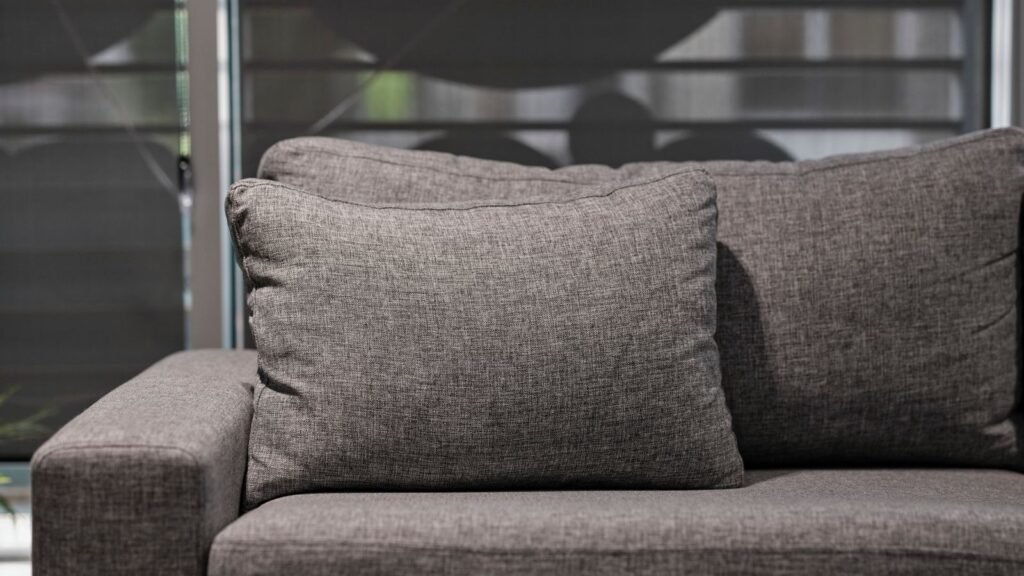
A small tag that decides how a stain gets treated
Underneath a cushion, on the deck below the seat pad, or stitched into the base of the frame, most upholstered furniture carries a tiny label with a single letter or pair of letters on it. That letter is not decoration. It is a direct instruction from the fabric manufacturer about which cleaning method the covering can safely tolerate, and getting it wrong is one of the most common ways a sofa or armchair ends up permanently marked by a well meaning attempt to clean it. This guide covers what W, S, WS and X actually mean, why the wrong method causes real and often irreversible damage, and when the sensible move is to stop and call someone rather than keep going.
Where to find the code and what it looks like
The label is usually small, easy to miss, and often located somewhere you would not think to look first. Check under loose seat cushions, along the zip at the back of a cushion cover, on the underside of the frame, or on a swing tag that may have been tucked out of sight rather than removed after delivery. It carries a single letter, a pair of letters, or occasionally a small pictogram alongside the text. If no code is visible anywhere on the piece, treat it as unknown rather than assuming it is safe for water, and test any product on a hidden patch, such as the back of the frame or the underside of a cushion, before using it anywhere visible.
Code W, water based cleaning
A code W fabric can be cleaned with the foam from a water based cleaning agent, a mild detergent or a proper upholstery shampoo product, applied in a circular motion with a soft cloth or brush and left to dry before vacuuming. This is the most forgiving of the four codes and the one most home cleaning products are actually formulated for. It still does not mean soaking the fabric or scrubbing hard. Foam, not liquid, is the operative word, and overwetting a W rated fabric can still cause shrinkage, ring marks or backing damage even though the fibre itself tolerates water.
Code S, solvent only
Code S means water is the enemy, not the solution. These fabrics must be cleaned with a water free solvent based product or handled by a professional furniture cleaning service, because water based cleaners and detergents on an S rated fabric can cause excessive shrinking and leave water stains that become permanent rather than lifting out. If a stain has appeared on a code S sofa, the safest immediate step is to blot it dry with a clean cloth and get professional advice rather than reaching for anything from under the sink. Frequent vacuuming or light brushing between cleans is the recommended way to keep a code S fabric looking presentable without introducing any liquid at all.
Code WS, water or solvent
A WS or W-S code is the most flexible of the four, meaning the fabric can tolerate either a water based cleaning agent or a mild solvent, used carefully and pretested on a hidden area first. In practice this covers a wide range of common upholstery fabrics and gives more room for manoeuvre than a code S piece, though it is not a licence to use whatever happens to be to hand. Any product containing carbon tetrachloride or other harsh solvents should be avoided regardless of the code, and an overall soiled sofa, as opposed to a single fresh mark, is still better handed to a professional cleaner than tackled piecemeal at home.
Code X, vacuum or brush only
Code X is the strictest of the four and the one people get wrong most often, because it looks like the other codes but rules out cleaning products of any kind. A code X fabric should be cleaned only by vacuuming or light brushing with a soft, non metallic brush to lift dust and grime from the surface. Water based foam, solvent, or any liquid cleaning agent risks shrinking, fading or visibly distorting the weave, and once that has happened it cannot be reversed by cleaning it again. Fabrics carrying this code are usually delicate natural weaves, certain velvets, or fabrics with a finish that liquid breaks down. If a stain lands on a code X piece, resist the urge to treat it at home and call a professional who can assess whether it is workable at all.
Why the label matters more than instinct
The temptation with any stain is to reach for whatever worked on a different piece of furniture, or to assume that if a product is gentle enough for skin it must be gentle enough for fabric. Neither assumption holds up. The Drycleaning and Laundry Institute International, a long standing US trade body for the professional textile cleaning industry, sets out these cleanability codes for household fabrics in exactly this level of detail precisely because the wrong method is one of the most frequent and most avoidable causes of upholstery damage its members see. The pattern holds regardless of where the sofa was bought or what it cost. A code X armchair treated with a water based cleaner because it seemed like the safe option can end up worse off than one left with a visible stain and referred to a professional straight away.
The furniture cleaning label is voluntary, and not always present
Labelling upholstery with a cleaning code is common practice among manufacturers but it is not a legal requirement in the way fire safety labelling is, which means some pieces, particularly older furniture or items bought secondhand, may carry no code at all. Where that is the case, the safest approach is to treat the fabric as unknown, test any product on a hidden section first, start with the gentlest method available, and stop immediately if the test patch shows any change in colour, texture or sheen before it dries fully. A cautious test on an inconspicuous area takes a few minutes and avoids finding out the hard way that a fabric could not tolerate what was used on it.
Cushion covers and the tumble drying mistake
Removable cushion covers create a specific trap worth naming on their own. Even where a fabric is rated W or WS, the cover itself may not be designed to survive being taken off, machine washed and tumble dried the way an item of clothing would be, and doing so can shrink the cover so it no longer fits the pad, distort its shape permanently, or damage backing and interlining that was never meant to get wet on its own. Any tumble cleaning method applied to a removed cushion cover carries real risk regardless of what the main fabric code says, so treat covers in place wherever possible and only remove them for washing if the manufacturer has specifically said that is safe.
What professional cleaning adds beyond the code
Reading the code correctly tells you what a fabric can tolerate in principle, but a professional clean also brings the right dilution, the right dwell time, and the equipment to extract moisture properly rather than leaving a fabric damp for hours, which is its own separate risk regardless of code. On a WS or W rated sofa this usually means a noticeably better finish and faster drying than a DIY attempt with a hire machine or a spray on foam product. On S or X rated pieces it is often the only realistic route to a proper clean at all, since the fabric rules out most home methods entirely.
The same codes apply in an office or waiting room
Cleaning codes are set by the fabric mill, not by whether the finished piece ends up in a living room or a reception area, so a code S or code X office chair or waiting room bench carries exactly the same restrictions as a domestic sofa in the same fabric. Commercial upholstery tends to face heavier daily use and more frequent spills from food and drink, which makes reading the code correctly even more important, since a stricter cleaning schedule on the wrong method causes cumulative damage faster than an occasional home cleaning mistake. Our guide to keeping office upholstery looking new covers how a commercial cleaning schedule should account for this, and the fabric code is the first thing worth checking before setting that schedule rather than after a problem has already appeared.
A quick reference to keep nearby
Once the four codes are understood, the fastest way to avoid a mistake is simply checking the label before reaching for a product, rather than relying on memory under pressure with a fresh stain in front of you. W means water based foam, applied sparingly. S means solvent only, no water anywhere near it. WS means either, tested first on a hidden patch. X means vacuum or brush only, nothing wet at all. Keeping that short list in mind, and actually checking the tag rather than assuming, is what separates a stain that lifts cleanly from one that becomes a permanent mark on an otherwise good piece of furniture.
Getting a professional opinion before anything goes wrong
Our home upholstery cleaning guide covers the wider maintenance side of keeping a sofa looking good between deeper cleans, and pairs well with the codes above once you know which category your furniture falls into. If a stain has already happened, or the code on your sofa is one of the two stricter ones, we clean upholstery across Manchester homes and offices and can assess what a fabric will actually tolerate before anything touches it, get in touch and we will take a look properly rather than guessing.


Want this done properly at your property?
Tell us the building and the problem. We quote from a written specification, and contracts start with a three-month trial rather than a long tie-in.